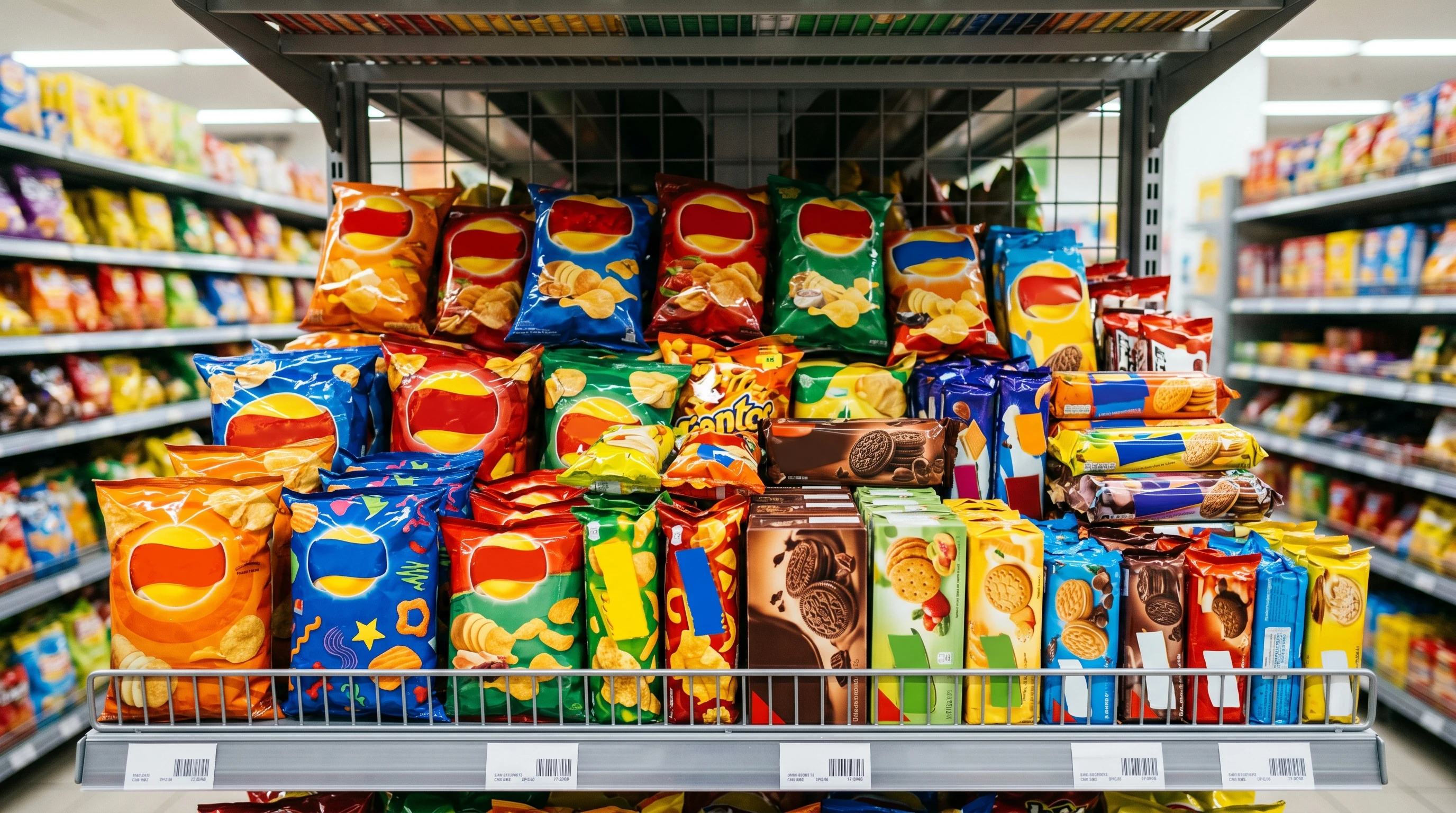
Ultra processed food grabs your attention with bold packaging and that quick-fix taste, but there’s a lot going on behind the scenes that makes it super tough to put down the crisps or cookies once you start. Ultra processed foods are not just everywhere, they’re also created in a way that often keeps us coming back for more, even when we’re not hungry. Here’s a clear look at why these foods can be so addictive and why getting a sense of the tricks behind them can make smarter eating a bit easier.
What Makes a Food Ultra Processed?
Ultra processed foods go well beyond basic cooking or preserving. These products are made in factories using a bunch of industrial ingredients you probably wouldn’t find in a home kitchen, like artificial flavours, colour additives, preservatives, emulsifiers, and lots of refined oils and sugars. Some common examples are boxed cereals, soda, packaged desserts, frozen pizzas, and flavoured crisps.
The goal with these foods is pretty simple: make them taste good, make them last on shelves, and make you want more. The thing is, scientists and food companies have figured out how to mix together certain tastes, smells, and mouthfeel that light up the same pleasure centres in your brain as some drugs do; this is part of the puzzle behind their addictive pull.
Why Ultra Processed Foods Feel So Irresistible
Food scientists have spent years cracking the code to what makes us crave certain tastes. When big companies make ultra processed foods, they usually test different combinations of sugar, salt, fat, and texture until they find a mix that people just can’t stop eating. Here’s how they do it:
- Bliss Point: This is an industry term for the perfect sweet spot of sweetness, saltiness, or fattiness. By hitting the bliss point, food feels just right, making it tough to stop eating, even if you’re full.
- Boosted Flavours: Artificial and “natural” flavours are carefully engineered to trigger dopamine release in the brain, which is the chemical behind feeling pleasure.
- Mouthfeel: The creamy or crunchy feel is no accident. It’s exactly dialled in to keep each bite feeling satisfying, but also to keep you wanting more since your brain loves new sensations.
With all this in mind, it’s no surprise that you might reach for another handful of crisps or another slice of frozen pizza, just because it feels and tastes so good, not because you actually need the calories.
The Science of Food Addiction
Addiction might sound extreme, but there’s some solid research showing that ultra processed foods really do set your brain up for repeat cravings. When you take a bite of something sweet, salty, or fatty, your brain releases a shot of dopamine. With ultra processed food, this dopamine rush is intense — even stronger than what you get from a basic whole food like a carrot or a boiled potato.
Over time, your brain can start to expect that rush, so you may crave these foods even if you’re not hungry. This is a big reason people often say they feel “addicted” to junk food or snacks. The more you eat these foods, the more your brain wires itself to want them again. Some researchers have even compared this pattern to what happens with certain gambling or drug addictions, at least in terms of how the brain reacts.
If you think of the brain as having a reward loop, ultra processed foods take advantage of that loop and, for some, overpower the signals to stop eating. This not only causes overeating, but it can make it incredibly tough to break the cycle—especially if the food is everywhere you look.
Why Ultra Processed Food Doesn’t Fill You Up
I know the feeling; one pack of cookies down, but somehow still hungry. Ultra processed foods are often packed with empty calories, but not with the protein, fibre, vitamins, or minerals that help you feel full and satisfied. Here’s why hunger often sticks around even after eating these foods:
- Low Nutritional Value: Most ultra processed snacks are light on nutrients. Because your body still needs those missing vitamins, minerals, and fibre, it keeps signalling hunger, even after a big snack binge.
- Fast Digestion: With hardly any fibre and often a lot of refined sugars, these foods zip through your digestive system quickly. That fast rush of sugar in your blood spikes your energy (and your blood sugar), but it often crashes just as quick, making you feel hungry again.
- Lack of Satiety: Satiety is that feeling of fullness that tells you to stop eating. Foods full of protein, fibre, or healthy fats are great at this, but ultra processed foods barely register on your body’s fullness meter because they’re engineered more for flavour and mouthfeel than for nutrition.
On top of that, when your meals don’t have enough substance, your body tries to make up for the difference by pushing you to reach for more snacks, leading to a cycle of eating without ever feeling fully satisfied.
How Soft Texture and Easy Eating Lead to Overeating
Have you ever noticed how easy it is to eat a huge handful of puffs or a stack of soft cookies compared to chewing through a crunchy apple? That’s by design. Ultra processed foods are usually soft and easy to chew, which means your body’s natural signal to stop eating doesn’t always kick in soon enough:
- Quick Consumption: Softer foods go down faster, so your brain doesn’t get enough time to register that you’re getting full. It takes about 20 minutes for fullness signals to reach your brain!
- Mindless Munching: The smoother texture encourages eating more while distracted, like watching TV or scrolling on your phone, which is when you’re most likely to overeat.
- Minimal Effort: When food takes little effort to chew, it’s far easier to eat past the point of hunger out of habit or comfort.
Food companies have purposely made these foods super easy to swallow. You can eat them quickly and in big quantities before you even realise it, leading to extra calories that add up fast. This “soft and easy” trick is a big part of why these snacks vanish so fast in one sitting.
Common Challenges When Avoiding Ultra Processed Foods
Sticking with whole or minimally processed foods sounds great in theory, but ultra processed stuff is everywhere, from cafeterias and parties to gas stations. Here are a few challenges people run into and some useful advice for handling them:
- Convenience: Ultra processed foods are fast and easy, so prepping whole foods ahead of time can help dodge last-minute cravings.
- Tempting Marketing: Labels and ads make junk food look super appealing. Shopping with a grocery list or sticking to the produce and fresh food aisles really helps.
- Emotional Eating: Stress, boredom, or just habit can make you crave these foods. Keeping healthy snacks handy, or doing something else like going for a quick walk, can break the pattern.
Packing your own snacks or lunches, even if it’s just simple fruit or nuts, can really help take some pressure off. Don’t feel bad about taking baby steps; every little adjustment adds up over time.
Practical Tips for Cutting Down on Ultra Processed Foods
No need to ban every packaged food, but even a few swaps here and there can make a difference. Here are some everyday ideas that have worked for me and many, many others:
- Read Labels: If the ingredient list is long or full of words you wouldn’t use in your own kitchen, it’s probably ultra processed. Avoid!
- Swap Snacks: Sliced veggies, a handful of nuts, or fruit can take care of cravings and give you real nutrition.
- Plan Meals: Home cooked meals let you control flavours and ingredients; plus, it’s often cheaper and a lot more satisfying in the long run.
- Set Boundaries: Keep tempting snacks out of sight at home or work. If they’re not around, you’re way less likely to reach for them.
Another idea is to try cooking with friends or family—sharing the experience can make home meals fun and less of a chore. Experiment with simple recipes and focus on flavour so you won’t feel deprived when skipping processed snacks. Over time, your taste buds adapt, and you may start craving whole foods more!
Frequently Asked Questions
People have loads of questions about ultra processed foods and their addictive qualities. Here are a few common ones that come up a lot:
Question: Is it really possible to be addicted to ultra processed food?
Answer: Research shows that certain foods can spark cravings similar to what happens with addictions to things like gambling or even some drugs, especially when it comes to those high in sugar and fat.
Question: How can I recognise ultra processed foods at the store?
Answer: Look for super long ingredient lists with lots of unfamiliar chemical names, and avoid foods with added sugars, emulsifiers, or artificial colours.
Question: Do ultra processed foods have any health benefits?
Answer: They’re designed to taste delicious and have a long shelf life, they aren’t designed for your health. They might offer quick energy but usually don’t have much in the way of real nutrition.
Question: Why do I keep reaching for these foods even when I’m not hungry?
Answer: The mix of flavours, salt, sugar, and fat, along with smooth textures, tricks your brain into wanting more, so it’s not just willpower, it’s science!
Ultra processed foods is one addiction it would be wise to kick if you want to live a long and healthy life.