Reaching a state of ketosis can be a liberating experience. Ketosis is a metabolic process where your body burns fat for fuel instead of carbohydrates. This state is reached by most people when they are following the ketogenic (keto) or carnivore diet, and there are a lot of reasons why people strive to get to this state, from weight loss to more stable energy. Here’s my personal take, with tips, practical guidance, and a deep look at why ketosis can be worth your attention.

Understanding Ketosis: What It Actually Means
Ketosis sounds technical, but it’s pretty straightforward once you break it down. When you drastically lower your carb intake, your body can’t use glucose (from carbs) as its main energy source. So, it starts converting stored fat into molecules called ketones, which you then use for fuel. This is different from just “eating low carb”; you’re actually switching to a new mode of running your metabolism.
If you’re following keto or carnivore diets, it’s all about keeping carbs super low (generally under 50 grams a day for keto), focusing on fatty proteins, and letting your body do the rest. You can check if you’re in ketosis by using urine test strips or a blood ketone meter, but your body will usually give you some clear signs too, like reduced appetite or a different kind of energy altogether.
How to Reach Ketosis: Steps and Tips
Getting into ketosis doesn’t really happen overnight, but it’s not rocket science. Here’s how you can work your way there, either with the keto or carnivore diet:
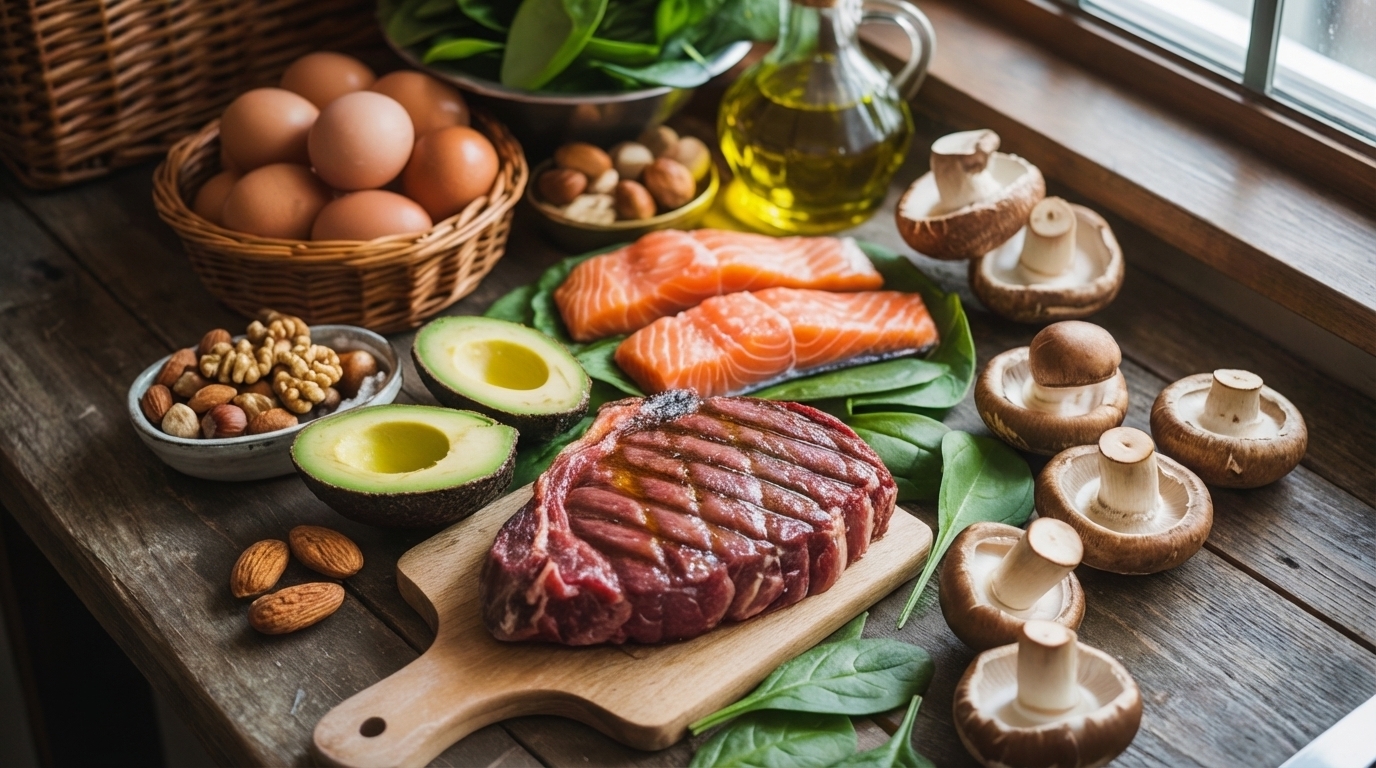
- Start Cutting Carbs: Drop starchy foods like bread, pasta, rice, and sugar. Stick to vegetables, meats, eggs, fish and healthy fats like avocado or olive oil.
- Eat More Fats: Healthy fats are at the centre of both diets. On keto, this can include cheese, nuts, seeds, and fatty fish. The carnivore diet relies almost entirely on animal fats and fatty cuts of meat.
- Moderate Your Protein: Too much protein can bump you out of ketosis, so don’t go overboard. Aim for moderate, steady portions rather than piling your plate high.
- Avoid Hidden Carbs: Processed foods often sneak in extra carbs, so check the labels if you’re buying anything packaged. Even dressings and sauces can be loaded with sugar!
- Give Your Body a Little Time: It usually takes about 3-7 days to start making ketones after cutting carbs. Some tweaks and patience go a long way.
Some people use tools like intermittent fasting to speed up the process, but really, keeping your diet simple and consistent is what gets you there.
What Happens to Your Body in Ketosis?
When your body hits ketosis, it’s not just a diet switch up; it’s a whole metabolic flip. Instead of relying on a constant stream of carbs for energy, you’re running on fat. You might notice some small (but pretty cool) changes, including:
- Steadier Energy: Since your energy is coming from stored fat, you’re less likely to crash, even if you go a little longer without eating.
- Suppressed Appetite: People often find they’re not hungry all the time like they are when eating lots of carbs. That’s the ketones talking.
- Clearer Thinking: Many report calmer, more stable mental focus when their brain switches to using ketones for fuel.
Some people experience what’s called “keto flu” (think tiredness and a general sluggish feeling) for the first week or so. It’s basically your body adjusting. Staying hydrated and making sure you get enough salt and electrolytes can help ease this transition. I didn’t get keto flu at all but if you do don’t panic, your body will soon adjust.
Main Benefits of Reaching Ketosis
So why do people put in the work to reach ketosis? There are several strong perks you might notice once your body adapts:
Weight Loss, Especially Fat Loss
If shedding fat is your goal, ketosis works in your favour. By burning fat for energy (instead of storing it), your body taps into its natural stores. Many people see noticeable changes on the scale and in how their body looks, especially around the midsection. The natural appetite reduction also means you’re less likely to snack out of boredom or habit.
Regulated Blood Sugar Levels
Keto and carnivore diets generally lead to more stable blood sugar. That’s because you’re avoiding the spikes and crashes that come with eating lots of carbohydrates. For people with type 2 diabetes or prediabetes, this can be extremely beneficial for keeping things balanced. Some studies, like this one on PubMed, show that lowering carbs while increasing healthy fats can support improved insulin sensitivity.
Increased Energy and Mental Focus
After the adjustment period, many people feel way more energetic. Instead of highs and lows, your energy levels feel more even. Your brain loves using ketones for fuel, which is why people often say they can think more clearly or focus for longer periods.
Support for Certain Health Conditions
It’s not just about looking good or feeling good; ketosis has some research-backed benefits for specific health conditions. Here are a few areas where people are seeing improvements or hope:
- Type 2 Diabetes: Lowering carb intake helps manage blood sugar and may even help reduce the need for medication in some cases.
- PCOS and Hormonal Imbalances: Some women with polycystic ovary syndrome or other hormone issues find improved symptoms on a keto approach.
- Certain Autoimmune Disorders: Anti-inflammatory effects from cutting carbs and processed foods may be beneficial for some people with autoimmune issues (it certainly worked for me, I had polymyalgia rheumatica and a keto diet eliminated my symptoms in a few months completely).
- Neurological Disorders: The ketogenic diet was originally used to help manage epilepsy, and there’s ongoing research into its effects on conditions like Alzheimer’s.
Potential Challenges and What To Watch Out For
Ketosis isn’t all smooth sailing for everyone. There are some hiccups and things to be aware of, especially at the start:
- Keto Flu: You might feel low energy or irritable at first. Staying hydrated and adding more salt can help a lot.
- Social Eating: Eating out or with friends can be tricky because carbs are everywhere. Meal prepping and carrying snacks can help you stay on track.
- Nutrient Shortfalls: If you avoid all fruits and vegetables for a long time, you could miss out on vitamins and minerals. Mix in leafy greens or consider a general multivitamin if you’re concerned.
- Restriction Feels: Any time you make your food options more limited, it can feel tough at first. Planning satisfying meals and trying new keto friendly recipes can keep it interesting.
Handling Transition Symptoms
The first week or so can be a little rough, but most people push past it quickly. I always found staying hydrated, using some extra salt on food, and riding out the first few days made the whole process much smoother. Including mineral-rich foods like bone broth or potassium-rich avocados can also give a boost.
Real-World Examples: Who Benefits Most?
If you talk to people who’ve reached ketosis, you’ll see a wide mix; busy parents looking for steady energy, athletes wanting to drop excess weight without losing muscle, and people just after better overall wellness. For example, a friend of mine struggled with their energy rollercoaster every afternoon. After switching to a keto approach, that tired slump faded and they could get through more of their workday without extra coffee or snacks.
- Busy Professionals: Reduced snacking thanks to steady energy can mean better focus all day.
- Fitness Fans: Ketosis can help with body composition goals and recovery.
- People with Sugar Cravings: Over time, sugar cravings lessen and make sticking to the plan easier.
Others, like older adults looking to support brain health, also find value in this metabolic approach. While it isn’t a universal solution for every single person, these stories show how flexible ketosis can be across varying lifestyles. Just remember, it’s important to track down what works for your specific individual needs.
Frequently Asked Questions
This section clears up some of the most common queries about ketosis:
How will I know if I’m in ketosis?
You’ll often notice fewer cravings, more steady energy, and sometimes a “fruity” smell to your breath. You can also check with ketone test strips.
How long does it take to get into ketosis?
Most people take 3 to 7 days, depending on how strict they are with cutting carbs and how active they are.
Can ketosis work for everyone?
Most healthy adults can try ketosis safely for a while, but it’s wise to talk with your doctor if you have any health conditions or are pregnant.
What foods should I avoid to reach ketosis?
Skip most grains, sugary snacks, high carb fruits, and starchy vegetables. Stick mainly to meats, eggs, healthy fats, and low carb veg if you include plants.
Is it safe to stay in ketosis long-term?
Some people maintain ketosis for years without issues and report positive experiences. However, long-term effects can vary, so regular check-ins with a healthcare provider are smart for monitoring your health and nutrient levels.
Final Thoughts and Disclaimer
Ketosis offers a host of practical benefits, especially for weight management, steady energy, and supporting blood sugar balance. Building your meals around fats and proteins while skipping heavy carbs helps your body reach and stay in ketosis. If you’re interested in trying it, tracking how you feel and staying flexible with your diet is really important.
This article isn’t medical advice. For any specific health concerns or to make sure a keto or carnivore diet is right for you, talk with your GP or a professional healthcare provider.