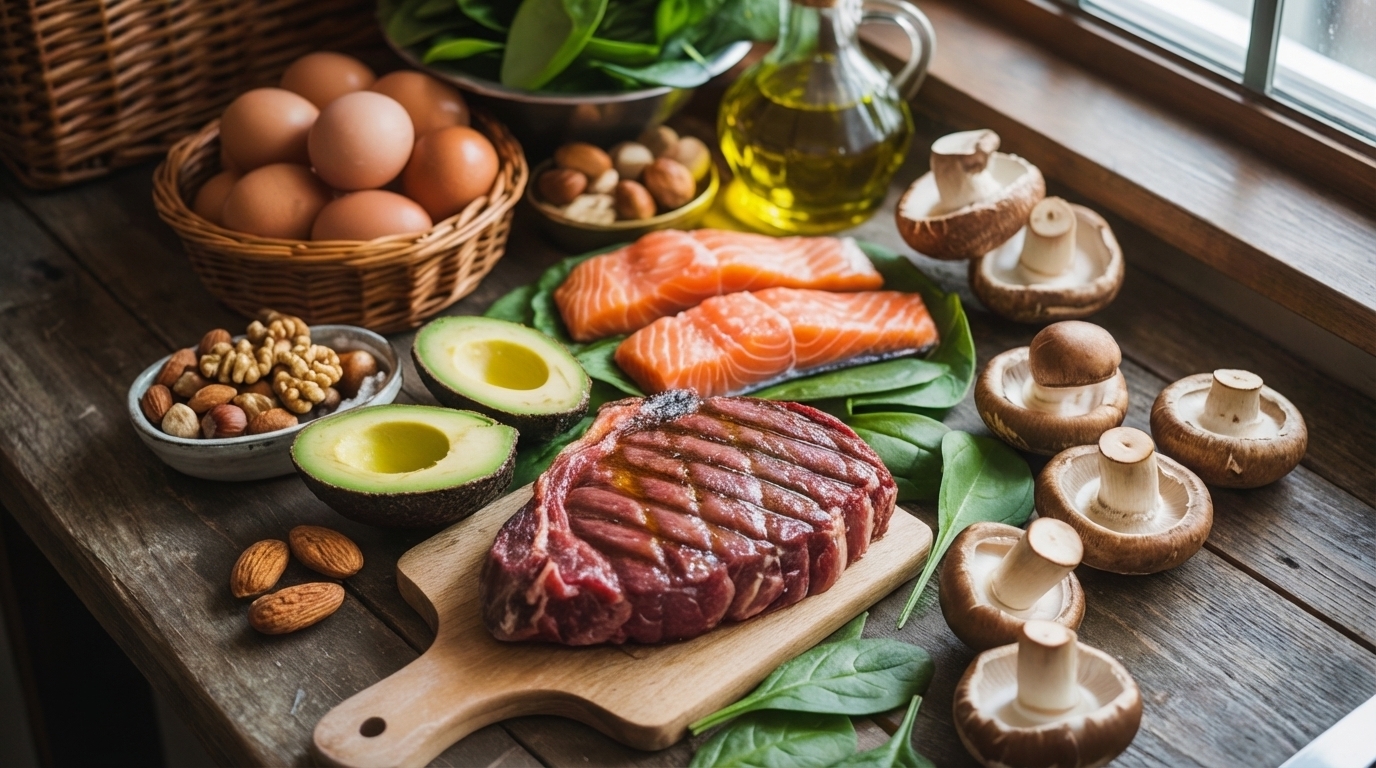
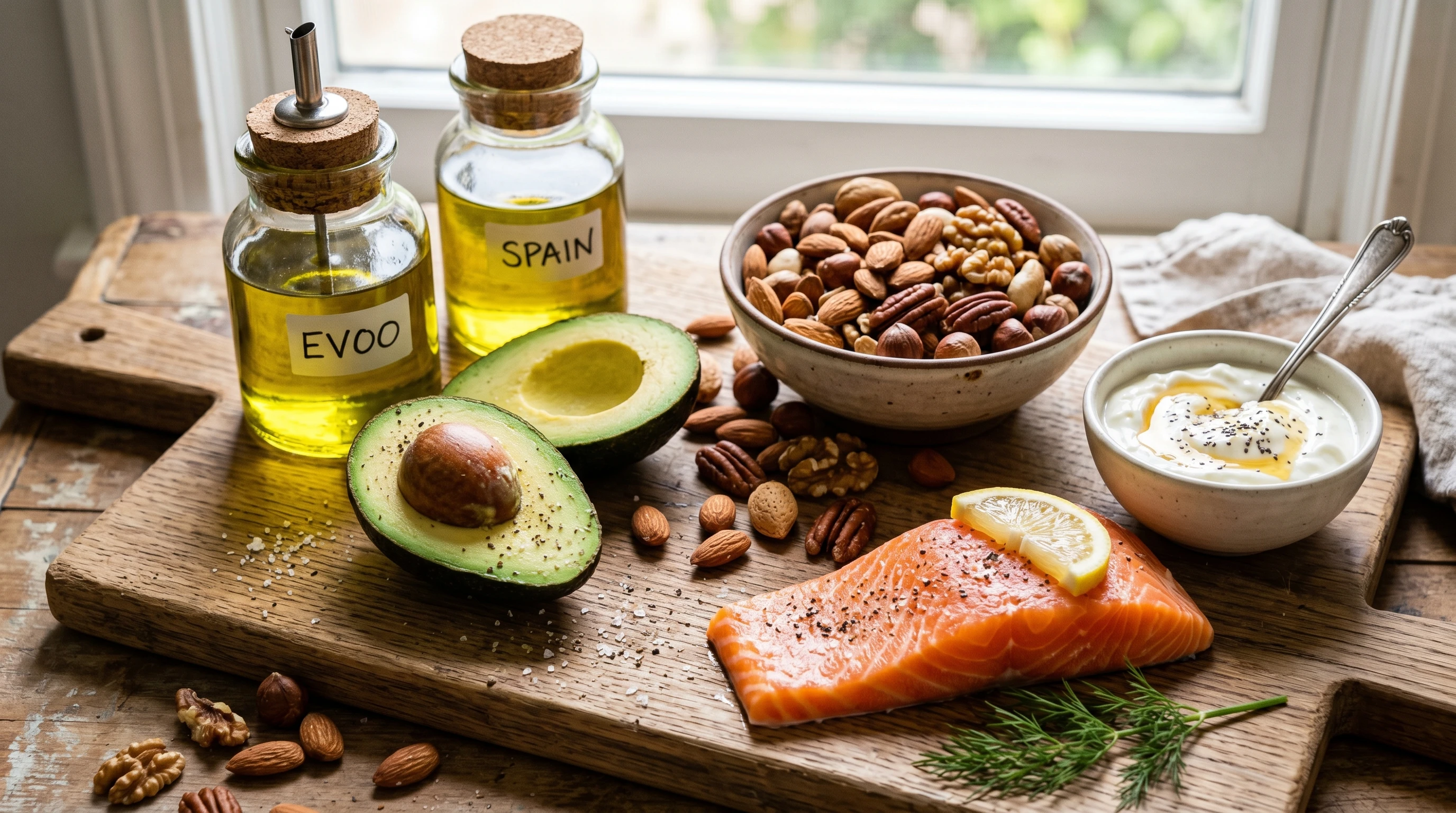
 The word “fat” still worries a lot of people, but not all fats are created equal. Some types are actually really important for keeping your heart, brain, and whole body working their best. Choosing the right kinds of fats in your diet helps you manage energy, support your cells, and stay full between meals.
If you’re tired of all the mixed messages about what to eat, you’re definitely not alone! There’s a big difference between the healthy fats that help your body and the processed fats that do more harm than good. Swapping out vegetable oils and junk food for better fat sources can make meals taste great and support long-term wellness.
These are my top five healthiest fats to eat: extra virgin olive oil, avocado oil, fatty fish, nuts and seeds, and full fat Greek yoghurt. I’ll break down what makes each one so good for you, then I’ll touch on why it’s best to cut back on trans fats and highly processed oils. Plus, you’ll get some practical ways to use each fat in your everyday meals and snacks, so you can start making simple, health-focused changes today.
1. Extra Virgin Olive Oil: A Staple for Heart Health
If there’s one fat I always keep in my kitchen, it’s extra virgin olive oil. People in the Mediterranean have relied on it for hundreds of years, and with good reason. This oil is loaded with monounsaturated fats, which help boost heart health and balance cholesterol levels.
Extra virgin olive oil also packs a surprisingly high dose of antioxidants, especially a group called polyphenols. These fight damage in your cells and help your body manage inflammation. That helps lower your risk of heart disease, stroke, and even some kinds of cancer.
Adding extra virgin olive oil to your meals isn’t just about health; it also brings out the flavour in lots of dishes. Its unique, fruity and slightly peppery taste makes even plain vegetables or grains more interesting. Plus, the fat in olive oil helps your body absorb certain nutrients, like vitamins A, D, E, and K.
How to Use Olive Oil:
- Drizzle on salads or roasted veggies
- Use for quick sautéing (not deep frying)
- Swap out for butter in bread dips and pasta dishes
For best results, choose a bottle labelled “extra virgin.” That tells you it’s unrefined and keeps in more of those healthy antioxidants. Once opened, store your olive oil in a cool, dark cupboard to keep it fresh and flavourful longer.
2. Avocado Oil: Versatile and Packed With Good Fats
Avocado oil is another good option for anyone looking for healthy fats. It’s made from the same fruit you use for guacamole, and it’s rich in those same monounsaturated fats your body loves. Plus, it has more vitamin E than most other oils, which helps keep your skin and immune system in great shape.
One thing I really like about avocado oil is its high smoke point. That means it won’t break down as easily when you use it for cooking over higher heat. So, it’s a handy swap for canola oil or vegetable oil if you’re stir-frying, making homemade fries, or grilling.
This oil also has a pretty neutral taste, which means it won’t overpower other flavours in your food. Because of this, avocado oil works well in both sweet and savoury dishes, and as an ingredient in homemade mayonnaise and sauces.
Avocado Oil Tips:
- Use in salad dressings for a mild, buttery flavour
- Great for grilling and oven roasting
- Stays stable in high-temp cooking (unlike some oils)
Look for pure, cold-pressed avocado oil to get the most nutrients. Store your bottle away from direct sunlight, and use within a few months for best taste and benefits.
3. Fatty Fish: Omega-3’s for Brain and Heart
Fatty fish like salmon, sardines, herring, and mackerel are loaded with omega-3 fatty acids. These are a special type of fat your body can’t make on its own, and they do a lot for your health. People who eat more omega-3’s tend to have better brain function, less inflammation, and lower chances of heart problems.
I try to fit in two servings of fatty fish every week when I can. Even canned wild salmon or sardines work if you’re in a hurry or on a budget. The omega-3’s in fatty fish are especially helpful for anyone looking to support heart health as they age. Research also suggests omega-3’s may boost mood and support healthy joints, so it’s worth adding fish to your menu if you care about mind and body wellness.
Easy Ways to Eat More Fatty Fish:
- Salmon baked with lemon and herbs
- Sardines on whole grain toast
- Mackerel added to salads or rice bowls
Just watch out for fish high in mercury (like king mackerel and swordfish) if you’re pregnant or feeding little kids. For a simple, family-friendly meal, try a fish taco night with grilled salmon or use canned fish mixed with Greek yoghurt for an easy, healthy salad.
4. Nuts and Seeds: Crunchy and Packed With Nutrients
Nuts and seeds deliver a combination of healthy fats, plant protein, and fibre that help you feel full and energised. Favourites like almonds, walnuts, chia seeds, flaxseeds, and pumpkin seeds offer a whole menu of vitamins and minerals. Each one has its own mix, but most are packed with magnesium, B vitamins, and vitamin E.
Walnuts stand out for their omega-3 fats, while almonds are loaded with vitamin E. Chia and flaxseeds give you both fibre and healthy fats, making them great as a smoothie or oatmeal topper. If you find whole nuts hard to digest, go for nut butters or sprinkle ground seeds in your food for the same healthy boost.
Snacking and Cooking Ideas:
- Sprinkle seeds on yoghurt, cereal, or salads
- Grab a small handful of mixed nuts as a snack
- Mix nut butters into oatmeal, smoothies, or toast
Choose raw or dry roasted nuts and skip anything with a lot of added salt or sugar. Nuts and seeds also make a great topping for roasted vegetables or homemade granola, and they’re easy to toss into trail mix for on-the-go energy.
5. Full-Fat Greek Yoghurt: Creamy and Filling With Healthy Fats
I used to think all dairy had to be fat free, but full fat Greek yoghurt is actually a solid way to eat healthy fat, plus get a good boost of probiotics and protein. The fat slows down digestion, which keeps you satisfied longer and helps balance blood sugar. Plus, some studies point out that full fat dairy can support heart health, especially when it’s eaten in moderation.
Greek yoghurt is different from regular yoghurt because it’s strained, which makes it creamier and higher in protein. The extra fat gives it a rich texture and helps vitamins like D and A absorb better in your body. If you’re lactose intolerant, you might find Greek yoghurt easier to digest, thanks to its lower lactose content and helpful probiotics.
Tasty Ways to Use Greek Yoghurt:
- Layer with berries and nuts for breakfast
- Use as a creamy base for smoothies or dips
- Swap for mayo or sour cream in recipes
Choose plain, unsweetened Greek yoghurt for the best benefits and flavour control. You can sweeten it with a drizzle of honey or a handful of fruit. Greek yoghurt also mixes well with herbs and lemon for a quick, protein-rich dip that pairs with veggies or grilled meats.
What to Avoid: Why Trans Fats and Processed Oils Aren’t Great
While some fats belong in a healthy diet, there’s a group you really want to limit: trans fats. These harmful fats are usually found in partially hydrogenated oils, which show up in a lot of vegetable shortenings, packaged snacks, fried fast food, and some margarines. Trans fats can raise your bad cholesterol (LDL), lower the good kind (HDL), and increase your risk of heart disease and inflammation.
Some vegetable oils, like corn, soybean, or sunflower oil, get super processed and can break down under high heat. They often contain high omega 6 fats, which throw off your body’s balance if you eat them all the time. Sticking with more natural oils and skipping foods with partially hydrogenated oil on the label is a simple swap for better health. Remember, not all processed oils are created equal: cold pressed and extra virgin options keep more nutrients, while heavily refined oils lose a lot during production.
- Check ingredient labels: avoid “partially hydrogenated oils”
- Limit fried, processed, and packaged foods
- Stick with natural oils, nuts, and seeds for snacks
Final Thoughts
Fat can be a super important part of your diet, as long as you stick to the right sources. Extra virgin olive oil, avocado oil, fatty fish, nuts and seeds, and full fat Greek yoghurt give your body the healthy fats it needs without the baggage that comes from processed or trans fats. Making a few simple swaps in your kitchen could help you boost your meals and feel even better, every day. Next time you go grocery shopping, use this guide to fill your cart with nourishing fats and set yourself up for more satisfying, tasty meals that support your heart, brain, and energy levels. Small changes can make a big difference!