Fasting has picked up a lot of attention for its potential health perks, but there’s a lot more happening inside the body than just skipping meals. If you’ve ever wondered how your body actually responds to periods without food, here’s the lowdown based on what I’ve seen, read, and experienced. The process is more intricate than most people realise. Below, I’ll break down the changes your body goes through during different fasting stages, from what happens in your bloodstream to how your cells tidy up and fuel switches from carbs to stored fat.
What Is Fasting and Why Do People Try It?
Fasting, in simple terms, means going without food for a set period. This can range from skipping a single meal to not eating for a whole day, or even longer. Intermittent fasting (IF) has taken off recently, especially among people looking to lose weight or boost their health. IF isn’t just one single method, though. Here are a few of the more popular fasting schedules that people try:
- 16:8 Method: Eat within an 8-hour window and fast for the remaining 16 hours of the day.
- 5:2 Diet: Eat as you normally would for five days, then have a very limited calorie intake (usually around 500 to 600 calories) on the other two days.
- Alternate Day Fasting: Rotate between fasting days and eating days. A fasting day is usually around 25% of your usual calorie intake.
- 24-Hour Fasts: You avoid calories for 24 hours, once or twice a week.
People are drawn to fasting not just for weight loss, but because of the interesting processes that kick in under the surface, such as fat burning, cell repair, and hormone changes that can give health a boost.
The First Hours: Blood Sugar Drops and Insulin Changes
The first thing your body notices when fasting is a drop in blood sugar. Normally, your body runs on the glucose (sugar) from the food you eat. After just a few hours without eating, your body’s insulin levels begin to drop. This matters because insulin is the hormone that helps move glucose from your blood into your cells. When insulin falls, it signals your body to use energy already stored instead of what’s coming from your plate.
Feeling hungry, a bit tired, or even irritable in the first 12 to 18 hours is totally normal. Your body is switching gears and getting used to not having a fresh supply of energy from food. For most people, hydration helps reduce these early symptoms.
Busting Out the Fat Stores: When the Body Starts Burning Fat
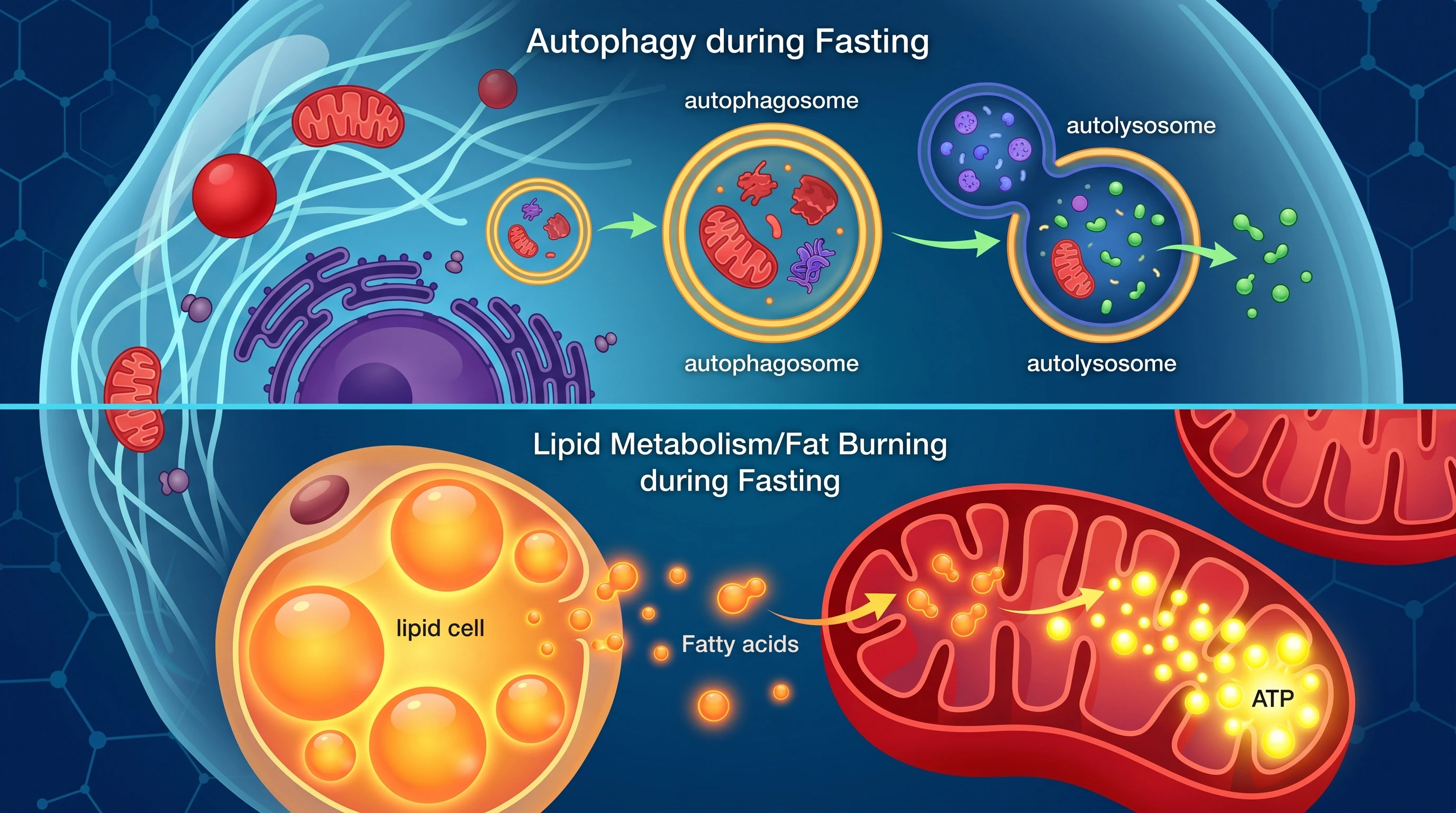
Once your body has used up the glucose floating around, it needs a backup plan. That’s when stored fat comes into play. This usually starts after 12 to 24 hours of fasting, depending on your last meal and activity level. The liver begins to break down stored fat into molecules called ketones, which your muscles and brain can use for energy.
The eye-catching thing is that the fat your body starts to use is often the stuff hanging around your waist and belly. There’s a reason so many people report a trimmer midsection after regular intermittent fasting. The process is mainly about metabolic switch, moving from running on carbs to burning fat for fuel.
Autophagy: The Body’s Inner Clean-up Crew
After about 18 to 24 hours of fasting, another process called autophagy gets going in a noticeable way. Autophagy is your cells’ way of cleaning house. The word literally means “self-eating” but don’t worry, it’s not as scary as it sounds. During autophagy, your body breaks down and recycles old, broken, or damaged cell parts. It’s a natural process where your body cleans itself up and gets rid of waste that could otherwise gum up the works.
Researchers think autophagy helps protect against certain diseases and may even play a big role in healthy ageing. While you’re fasting, your body is basically putting in some maintenance work and getting rid of cellular junk, which can give your health a helpful reset. This is one of the processes people find fascinating about fasting, and why it’s the subject of so much research in recent years.
Different Fasting Periods and What They Do to Your Body
Each type of intermittent fasting changes things at a different pace. Here’s a quick breakdown of what tends to happen during the various fasting windows:
- 8 to 12 Hours: Blood sugar returns to a normal, lower baseline and insulin drops. Your body finishes digesting your last meal and starts looking for other energy sources.
- 12 to 24 Hours: Glycogen (the stored form of glucose in your liver and muscles) runs out. Now, your body starts breaking down fat for energy, and ketone bodies (another form of fuel) increase. You’ll likely notice a dip in hunger after this point.
- 24 to 48 Hours: Fat burning ramps up, and autophagy kicks in more intensely. Many people report extra mental clarity, likely thanks to the brain running on those ketones.
- Beyond 48 Hours: Extended fasts are a whole different ballgame and aren’t for everyone. By this point, autophagy can peak, but it’s important to be cautious and listen to your body. Medical supervision is a good idea if you’re planning longer fasts.
The thing to remember is that even shorter fasting periods, like the popular 16:8, can help kick-start some of these effects, especially when practiced regularly. For beginners, sticking to shorter fasts may be all you need to see benefits without feeling overwhelmed.
How Fasting Helps with Repair and Maintenance
Along with cleaning up damaged parts through autophagy, the body starts to switch up priorities during a fast. Resources usually spent digesting food get redirected toward healing and repair. You might not see these changes, but inside, your body ramps up things like:
- Repairing tissues and DNA
- Cleaning out toxins and cellular waste
- Reducing chronic inflammation (especially noticeable during longer fasts or with repeated intermittent fasting)
This repair mode is a big reason fasting feels energising for a lot of people once they get used to it. Instead of focusing on processing food all the time, your body can work on maintenance tasks that sometimes get ignored during regular, nonstop eating.
Recent research supports that fasting may help tone down inflammation levels in the body over time, which is linked to positive immune responses and possibly lower risk for certain chronic illnesses. These benefits can vary, so it’s smart to check in with your healthcare provider, especially if you have a condition that affects your immune system or metabolism. Fasting certainly helped me in my recovery from polymyalgia rheumatica when I had chronic inflammation, it was one of the main tools I used to repair my body.
Stuff Worth Thinking About Before Trying Fasting
Before jumping into fasting, there are a few things that can help keep it safe and effective:
- Stay hydrated: Even when you’re not eating, it’s really important to drink water. Herbal teas and black coffee are usually fine, but always check what works for you.
- Don’t push it with stress or illness: If you’re really stressed, sick, or recovering from something, holding off on fasting can sometimes be a better call. Your body needs fuel when it’s trying to heal or dealing with extra demands.
- Start slow: Starting with shorter fasts (like 12 hours) and building up to longer periods helps your body adjust so you don’t get hit with headaches, dizziness, or feeling totally wiped out.
- Fasting isn’t for everyone: Certain groups such as kids, pregnant people, those managing certain health conditions, or people with a history of eating disorders should check with a doctor first. There’s no “one size fits all” approach.
Fatigue and Brain Fog
It’s common to feel a little sluggish when first starting to fast, especially during the early days. Your body’s still making the switch to burning fat for energy. Usually, this fades after a few sessions. If it sticks around or feels overwhelming, it’s worth rethinking your fasting plan and getting some support. Listening to your body is key. If you ever feel lightheaded or overly weak, take it as a sign to ease up, grab a healthy meal, and try again another day.
FAQs about Fasting and Your Body
Q: Will I lose muscle if I fast?
A: Short-term and moderate intermittent fasting mostly targets fat, not muscle, especially if you keep up some kind of resistance exercise. Muscle loss is really only a concern during prolonged fasting combined with very low protein intake.
Q: How can I manage hunger while fasting?
A: Staying busy, drinking water, and planning activities during hunger peaks can help. For many, hunger drops after hitting the 12 to 18 hour mark as your body settles into fat burning mode. Adding fibre to meals before your fast can also help keep you fuller for longer.
Q: Is fasting safe for everyone?
A: Not really. Pregnant people, young children, or anyone with certain medical conditions should speak with a healthcare provider before fasting.
Practical Takeaways for Fasting Beginners
Fasting changes how your body digs up energy, sharpens its repair processes, and even cleans up on a cellular level. If you’re new to fasting, starting small and keeping track of how you feel makes it a lot more approachable. Hydration and self-awareness are pretty important, and checking with a doctor if you’re unsure can keep things safe. Regular fasting, even in short stretches, can trigger a useful reset in energy balance, repair, and even trimming down extra fat around the middle. Building in patience and listening to your body are both crucial on this adventure with fasting. Take things at your own pace, and with time, you may stumble upon benefits that go beyond just the scale or your outward appearance.