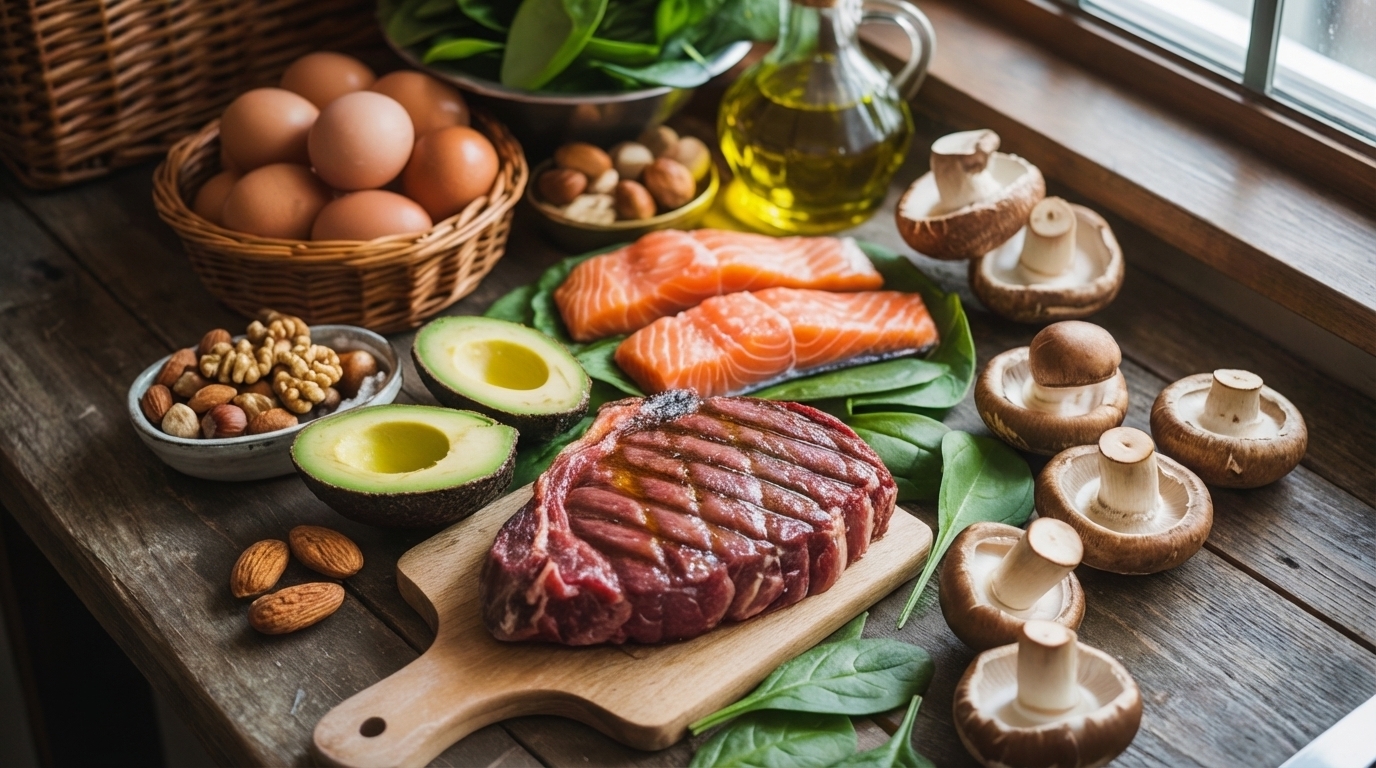
The keto diet has become extremely popular over the past few years, and with good reason in my opinion. Lots of people use this low carb, high fat approach to lose weight, boost mental clarity, or even support certain health conditions. But when you cut out carbs and ramp up your fat intake, it’s pretty common to start wondering how this whole thing affects your cholesterol levels, especially LDL, the so-called “bad” cholesterol. I want to clear up the confusion around keto and LDL by breaking down what really happens to your cholesterol when you eat this way and what it means for your health.
Why People Ask About LDL Cholesterol on Keto
When you hear about cholesterol, you’ll usually come across two main types: LDL (low density lipoprotein) and HDL (high density lipoprotein). LDL is commonly labelled as “bad” because high levels can increase your risk of heart disease. HDL, known as “good” cholesterol, helps sweep excess cholesterol out of your bloodstream.
A keto diet flips the usual food pyramid. Carbs get slashed, and fats go way up. Since our bodies use fat for energy on keto, it makes sense to wonder what all the extra fat does to your cholesterol numbers—especially LDL. This is a topic people should pay attention to, especially if they have a family history of heart problems or high cholesterol.
What Happens to LDL on a Keto Diet?
Research and real-world experience show that switching to a keto diet often increases LDL levels for some people. While some will barely see any change, others notice a bit of a bump when they get their blood work done. This rise can be a bit alarming at first glance, but there’s a bit more to the story, and it’s worth knowing about.
The keto diet doesn’t just push up plain old LDL. What’s interesting is that it usually increases the size of the LDL particles. Most of the time, people’s LDL switches to the larger, more “buoyant” type. This is important because studies have shown that small, dense LDL particles are more likely to burrow into artery walls and contribute to plaque buildup. The bigger, fluffier LDL particles don’t seem to carry the same risk as the smaller, denser kind.
Furthermore, other changes tend to happen in your cholesterol numbers when you eat this way, and looking at those helps deepen your understanding of the overall impact of keto on heart health.
Keto’s Effect on Other Cholesterol Markers
Here’s where things get a bit more balanced. Many people on keto see an increase in HDL, the so-called “good” cholesterol, and a drop in triglycerides, those fats in your bloodstream that are linked to heart risk when they run high.
When HDL goes up and triglycerides drop, that’s generally a good sign for your heart. Some research shows that the ratio of total cholesterol to HDL, and triglycerides to HDL, are actually more important indicators of heart health than LDL alone. It’s a good idea to look at the whole cholesterol picture, not just one number.
For example, a higher HDL works to sweep away excess cholesterol, and lower triglycerides mean there’s less potentially harmful fat floating in your blood. These improvements often outshine small rises in LDL, at least in people who don’t have pre-existing conditions.
The Science Behind LDL and the Keto Diet
Plenty of studies have tackled the question of how keto affects cholesterol. The results can be pretty mixed. Some people don’t experience much of a change in LDL, while others see theirs go up. It seems like genetics, activity level, and the types of fats you’re eating all play a role in how your body reacts.
A study published in 2009 found that after 24 weeks on a low carb diet, participants had higher HDL, lower triglycerides, and only a modest bump in LDL. The same pattern pops up in lots of recent keto studies and case reports.
There’s even a group of people known as “lean mass hyper responders,” who see a big jump in LDL (especially the large, buoyant kind) when they start keto, but alongside sky high HDL and rock-bottom triglycerides. More research is still needed on what this means for long term heart risk. Keeping track of your personal results and sharing data with your doctor helps paint a clearer picture unique to you.
Ways to Tweak Your Keto Diet If LDL Goes Up
If you’re on keto and your LDL suddenly spikes, don’t panic. There are some steps you can take to help balance things out. Here are a few practical approaches:
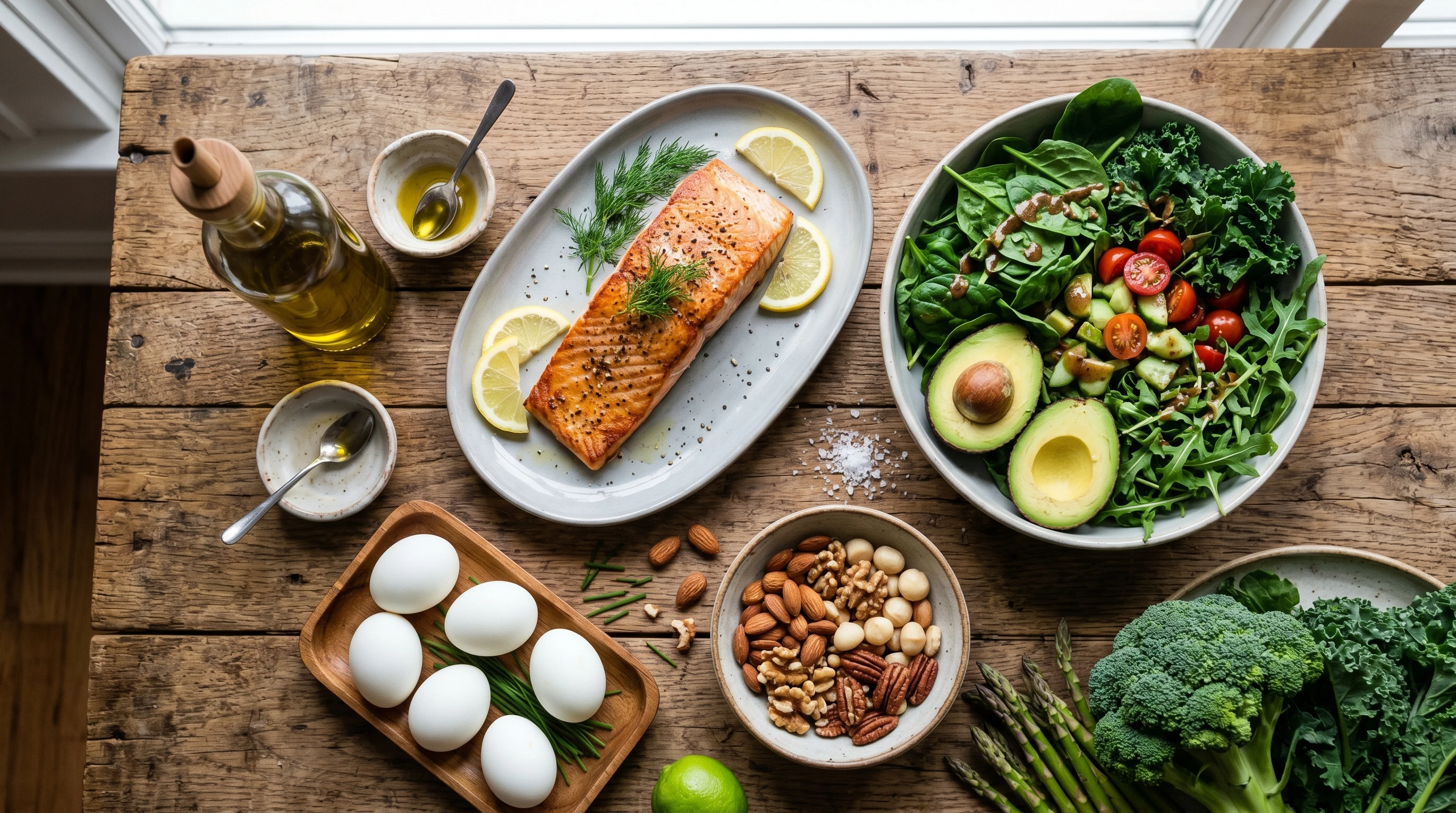
- Choose Healthier Fats: Swap some saturated fats (like fatty red meats and butter) for unsaturated fats (like olive oil, avocados, nuts, and fatty fish). There’s some solid evidence that this small change can help lower LDL without kicking you out of ketosis or derailing your efforts.
- Add Low carb Veggies: Pile more leafy greens and non-starchy veggies on your plate. Fibre helps your body process cholesterol better, even if you’re keeping your carbs low.
- Watch Out for Processed Meats: Bacon and sausages are keto staples for some, but they can raise LDL and aren’t great for long term health. Grab a salmon fillet or a handful of almonds instead for a heart friendlier fat boost.
- Experiment With Carb Intake: Some people find that slightly increasing their daily carb count (while still staying low overall) can bring LDL down a bit. This could mean moving from, say, 20 grams a day to around 40–50 grams and focusing on higher fibre sources if possible.
- Exercise Regularly: Daily activity, especially aerobic exercise, can raise HDL and help keep the overall cholesterol picture more favourable.
Making these changes doesn’t require abandoning keto altogether. A lot of times, simple swaps in fat sources and adding in more fibre does the trick over a few weeks.
Why Genetics and Individual Differences Matter
Not everyone’s body handles a high fat diet in the same way. If you’ve got a family history of high cholesterol or heart disease, your own cholesterol numbers might react differently than someone else’s. Some people are “hyper responders”, meaning their LDL rises quickly on high fat, low carb diets, while others barely see a blip. Keeping in touch with your personal health provider is really important, especially if your cholesterol has been an issue before.
It can be useful to get a full lipid panel, including particle size, and to monitor your other risk factors like blood pressure and inflammation. This way, you’re not flying blind, and you’ll have a clearer path forward custom fitted to your own health profile.
Talking with Your Healthcare Provider
There’s no one size fits all answer when it comes to cholesterol and keto. If you’re worried about your cholesterol, or if your doctor flags your lab results, it’s worth checking in and coming up with a plan together. They might suggest extra tests to look at LDL particle size or do more detailed blood work. Sometimes, adjustments to your diet are all it takes to ease the numbers into a healthier range.
Statins or other medications aren’t always necessary; but if your doctor suggests them, it’s probably worth having a conversation with them to see what other alternatives there are. Never make big changes to your medication or stop cholesterol lowering drugs on your own.
FAQ: Keto, LDL, and Cholesterol Questions
Q: Is the increase in LDL on keto always dangerous?
While a bump in LDL can look worrying, an increase in the larger, buoyant LDL particles is generally thought to be less harmful than small, dense particles. It’s smart to look at the complete blood work picture (including HDL and triglycerides) with your health provider for a proper risk assessment.
Q: Can I prevent my LDL from going up on keto?
Choosing more unsaturated fats, eating more fibre (from low carb veggies), and limiting saturated fats helps many people keep their LDL in check. Staying active is also helpful.
Q: What should I do if my LDL goes up a lot?
Don’t freak out, but do talk with your doctor. You might just need a few tweaks to your eating plan, or something more radical depending on your particular circumstances.
Q: Are there any specific foods on keto that keep cholesterol in a healthy zone?
Avocados, olive oil, salmon, nuts, and plenty of greens usually support better cholesterol profiles. Try to lean more on these foods instead of processed meats and heaps of butter.
The Bottom Line on Keto Diets and LDL Cholesterol
A keto diet can cause your LDL cholesterol to rise, but the increase often comes from larger, less risky LDL particles. Many people also see improvements in their HDL and triglycerides, balancing out the overall heart health picture. If you see your LDL numbers going up, there are plenty of small, practical changes you can try without dropping keto altogether. Most importantly, your healthcare provider is the best person to help figure out what these numbers mean for you specifically and what steps make sense for your body and goals.
As with any major change in your nutrition, staying sharp and having honest discussions with your doctor make the ride smoother. Make tweaks as needed, and check in for regular updates. Over time, you can craft a plan that fits your health goals while keeping your heart in mind.