
Keto diets have gained a lot of attention over the last few years, especially with so many people chasing better energy, weight loss, and balanced blood sugar. With its high fat, low carb approach, keto has a devoted following, plus a fair share of critics who question its safety. I’ve tried keto myself, come across plenty of success stories, and checked out a lot of research on its pros and potential pitfalls. Here’s my all-in-one guide to what makes the keto diet safe for most, the benefits it brings, and what you might want to think about before you get into it.
What Is the Keto Diet and How Does It Actually Work?
The keto diet is about cutting your carbs way down and pumping up your fat intake. By taking in fewer than 50 grams of carbs a day, your body switches from relying on glucose to burning fat for fuel. This process, known as ketosis, means your liver produces ketones—tiny molecules that supply energy to your brain and muscles.
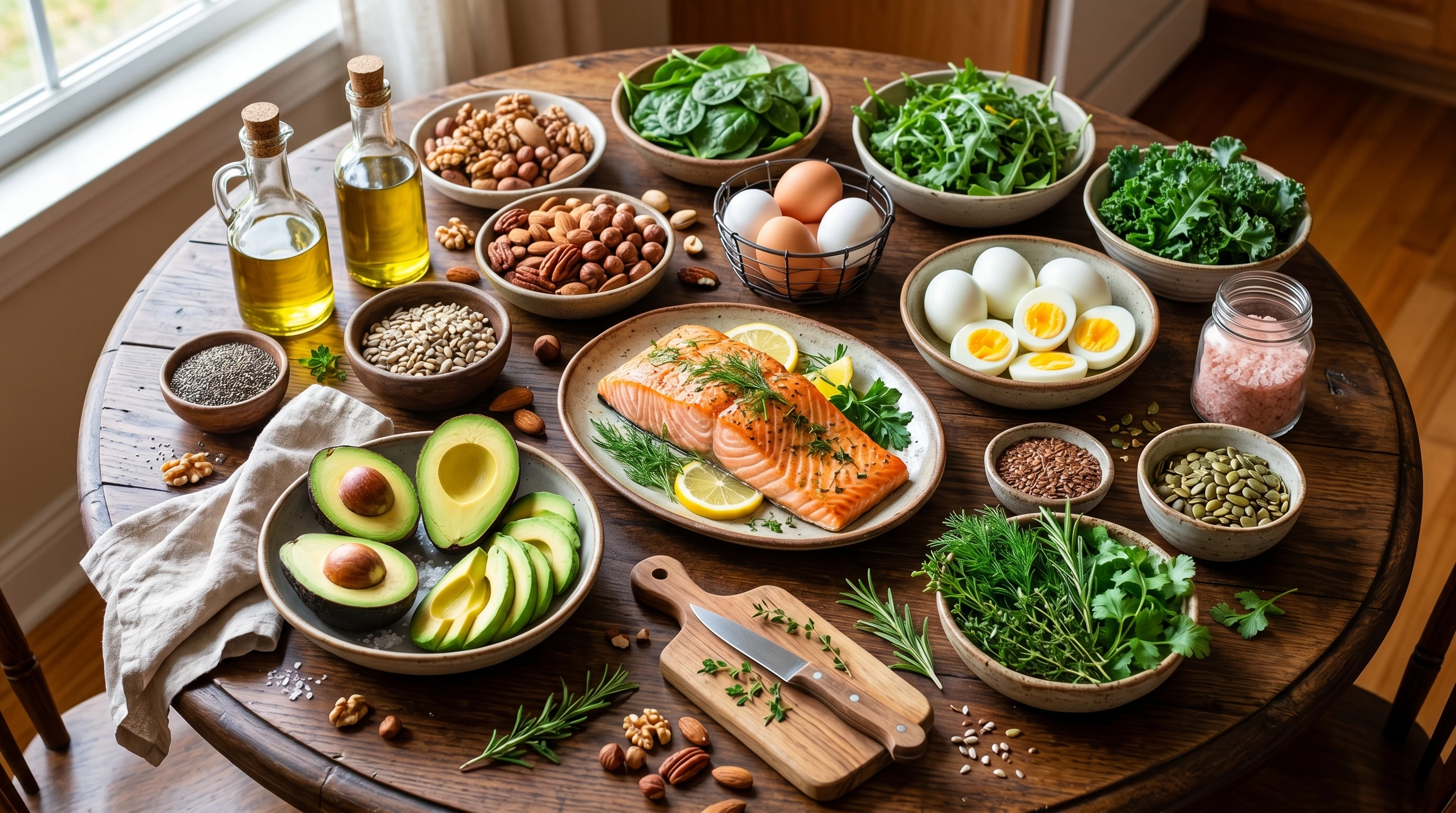
Typical keto meals feature foods like eggs, meats, fish, butter, nuts, leafy greens, and healthy oils. What gets left off your plate are bread, pasta, most grains, and sugary snacks. Keto can feel tough at first, but this switchup in metabolism is what drives its well-known perks.
What Are the Biggest Benefits of Going Keto?
I’ve seen quite a few reasons people stick with keto. Here are some of the main ones I’ve noticed and felt myself:
- Regulates Blood Sugar: Eating fewer carbs puts less sugar into your bloodstream, making it easier for those with type 2 diabetes or prediabetes to see better glucose readings. Research backs up that keto can help some folks lower A1C and dial down insulin resistance.
- Promotes Weight Loss: Many are drawn to keto for fat loss. By switching carbs for fats and protein, hunger tends to go down and your body taps into its own fat reserves. Studies show people often lose more weight in the first few months of keto than on regular low fat diets.
- Boosts Energy Levels: I’ve personally felt less tired and clearer-headed once I got into a keto rhythm. With steady ketone levels, your brain enjoys a consistent supply of fuel, skipping those sugar spikes and crashes.
- Supports Heart Health: Surprisingly, despite eating more fat, folks on keto can see their cholesterol numbers improve when they stick to healthy fats. Swapping out processed bacon for avocados really makes a difference. Lower triglycerides and a healthy balance of LDL and HDL can happen, especially if whole foods are your go-to.
- Helps Control Seizures: Keto was first studied for epilepsy, and it’s still used in hospitals when medication can’t control seizures—especially in kids.
Keto also shows early signs of helping with acne, certain neurological problems like Alzheimer’s, some auto immune conditions and issues like PCOS (polycystic ovary syndrome).
Is the Keto Diet Safe? What You Really Need to Know
The good news is keto is generally safe for most healthy adults, especially if you pay attention to what you’re actually eating. Research shows it’s usually fine for up to six months, and most side effects you hear about are either short-lived or easy to manage.
The key is choosing the right fats—like olive oil, coconut oil, nuts, seeds, fatty fish, and avocado—plus enough protein for your body and activity level. It’s not just loading up on bacon and cheese. Fill your plate with greens and non starchy veggies to keep digestion smooth and avoid missing out on important nutrients.
If you have health issues like kidney or liver disease, or have an eating disorder history, make sure to check with your doctor first. People on diabetes or blood pressure medication need medical input, since these meds might need tweaking. Pregnant or breastfeeding mums should skip keto for now.
Common Keto Challenges and Tips for Success
Switching to keto brings some bumps. Most people feel the “keto flu” during the first week: headaches, tiredness, and irritability as your body leaves carbs behind and cranks up fat burning.
- Drink Plenty of Water: You’ll probably lose a lot of water weight at first—staying hydrated is key.
- Don’t Skimp on Electrolytes: Adding some salt, magnesium and potassium can help prevent muscle cramps and headaches.
- Pile the Veggies High: Dark leafy greens and non starchy options like broccoli, zucchini, spinach, and cauliflower keep your system running smoothly and provide much-needed vitamins.
- Mix Up Fats: Whole food fats beat out highly processed meats and cheeses for long-term health.
- Start Gradually: Cutting carbs bit by bit can make the change less jarring.
There’s a lot of confusion online—some say, “all fat is fair game on keto,” but the kind and source of your food truly matter. Keto is about fuelling your body in a new way that supports your goals in a healthy, lasting manner.
Concerns and Who Should Avoid Keto
Certain situations call for skipping keto or proceeding only with a doctor’s help:
- People dealing with liver or pancreatic issues
- Anyone with an eating disorder history
- Kids, unless supervised medically for epilepsy
- Type 1 diabetics—risk for ketoacidosis unless under strict supervision
Taking blood sugar or blood pressure meds? Be sure to keep a close eye on your readings, and schedule some regular check-ins with your GP.
How to Build a Safe and Healthy Keto Meal Plan
The safest way to do keto is sticking with nutrient-rich whole foods and a mix of proteins and veggies. Here’s a sample day of what that might look like:
- Breakfast: Omelette with avocado, spinach, and a bit of feta cooked in olive oil
- Lunch: Grilled salmon salad with olive oil dressing, pumpkin seeds, and tomatoes
- Snack: A handful of almonds or walnuts
- Dinner: Chicken thighs roasted with garlic, with a side of steamed broccoli and a buttery herb sauce
This daily menu offers you quality fats, protein, fibre, and key micronutrients—without depending on processed meat and cheese for every meal. Plus, it’s much more enjoyable and gives you a wider nutrition spectrum.
Frequently Asked Questions About Keto Safety
Can the keto diet harm your heart?
Choosing healthy fats (olive oil, avocado, nuts, fatty fish) and loading up on veggies supports heart health while on keto. Skip the processed meats and regularly heavy saturated fats. If you already have heart issues, check in with your doctor before making big dietary changes.
Will you lose muscle on keto?
As long as you keep your protein intake up and continue strength training, losing muscle is unlikely. Keto isn’t a low protein approach, so you can maintain and even build muscle with it.
Can keto be hard to stick with in the long run?
Many people find keto easier to stick to than constant calorie counting or traditional low fat plans, since you feel fuller. Eating out or at parties can be a challenge, but restaurants offer more keto friendly choices now. Some fans cycle in and out of keto to keep things interesting.
How soon will you notice benefits?
Some notice fat loss and more steady energy in the first few weeks. Deeper changes—like better blood sugar or cholesterol—might take a month or two, and consistency is key.
Final Takeaway: Keto Can Be a Safe Choice for Many, With Some Planning
Keto isn’t a miracle fix, and it doesn’t suit every lifestyle, but it can be a good fit for people wanting weight loss, steady energy, and more balanced blood sugar, as long as it’s planned thoughtfully. Making space on your plate for healthy fats, quality proteins, and vegetables is what separates a good keto experience from a rough one. Planning ahead helps sidestep common side effects, and chatting with a healthcare pro—especially if you’ve got any medical concerns—helps make sure you’re starting off on the right foot.