
The ketogenic diet, often called “keto,” has become a familiar name in nutrition circles, but it’s by no means a new idea. While it’s making headlines lately for weight loss, keto actually has a longstanding history in the medical world. So, if you’ve ever wondered what a ketogenic diet truly is, what foods belong in it, and why some people feel great while following it, I’ll break down all the basics and share tips to get started the right way.
What Is a Ketogenic Diet?
The ketogenic diet is a way of eating that pushes you to drastically cut back on carbs and swap them for fats and protein. The main goal is to get your body to stop using mostly glucose (sugar from carbs) for energy and instead start relying on fat as its fuel source.
This process is known as ketosis. With carbs kept in check, the liver turns some of the fat in your system into molecules called ketones, which your brain and body can use for energy. Ketosis can kick in pretty quickly for some people, and once it happens, many notice a real change in how they feel—physically and mentally.
If you want numbers, a classic keto plan usually has you keeping daily carbs at about 20–50 grams. To put that in perspective, just one standard bagel has more carbs than that!
Which Foods Make Up a Ketogenic Diet?
Getting started with keto means making some new picks at the grocery store and during mealtime. The approach centres on boosting healthy fats and keeping carbs ultra low. Here’s what to focus on and what to think twice about:
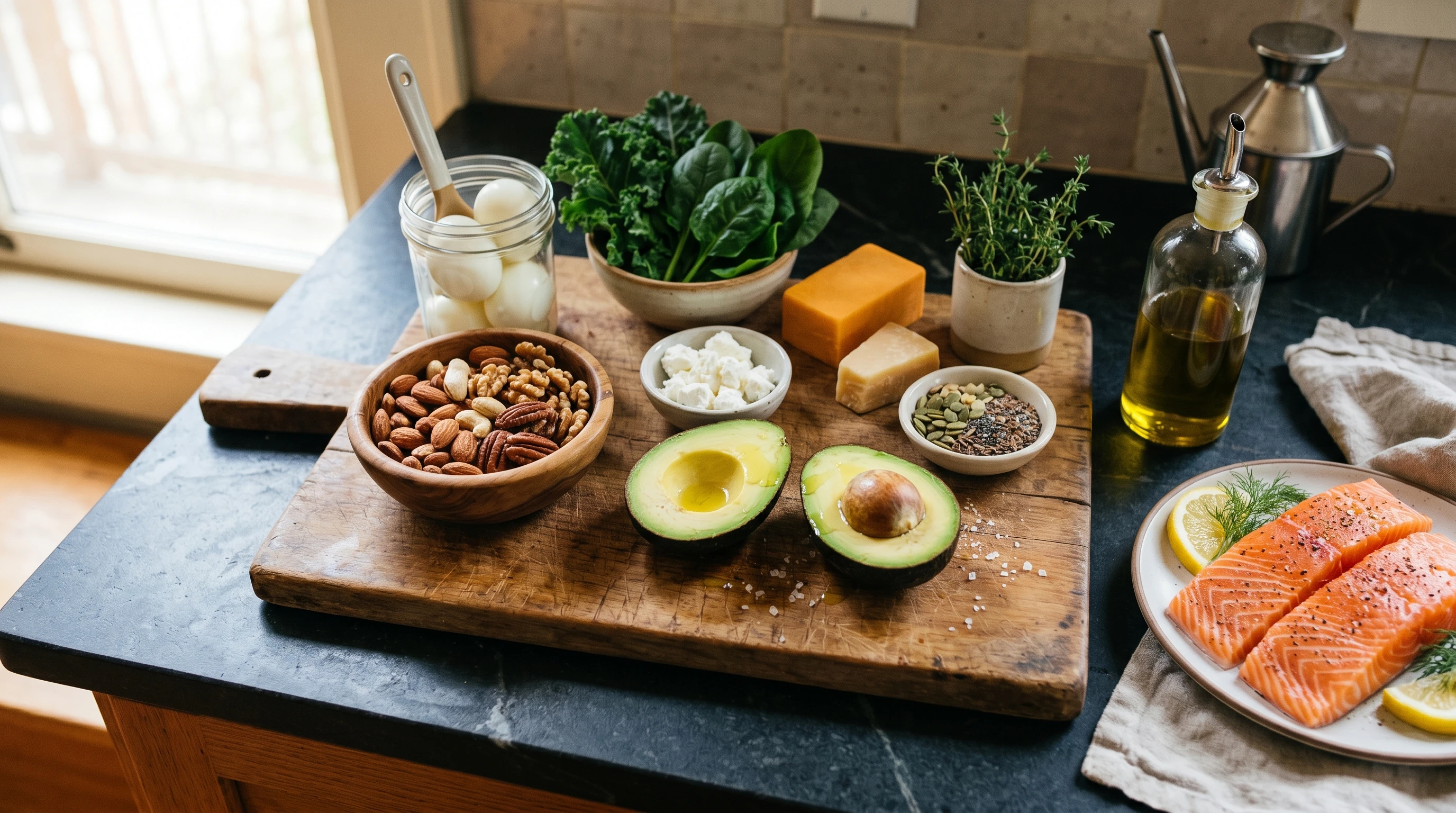
- Fats: Avocados, olive oil, coconut oil, nuts, seeds, full fat dairy, and fatty fish like salmon. These foods become the go-to fuel source for someone eating keto style.
- Proteins: Eggs, chicken, beef, pork, and fish fit into the plan well. It helps to pick unprocessed cuts and avoid breaded versions.
- Low carb vegetables: Leafy greens (spinach, kale, arugula), broccoli, cauliflower, asparagus, zucchini, peppers, and mushrooms add flavour and fibre without piling on the carbs.
- Dairy: Butter, cream, cheese, and Greek yoghurt (the full fat variety) can be used—just double-check nutrition labels for hidden sugars.
Here are some foods I avoid or switch out on keto:
- Bread, pasta, rice, and cereal
- Starchy vegetables (like potatoes or corn)
- Sugary snacks and drinks (soda, sweets, most desserts)
- Most fruits, especially bananas, apples, and grapes (berries are a better choice—just keep portions small)
Why Do People Choose the Keto Diet?
While weight loss is a big motivator for many, the keto diet draws attention for other reasons too. Some people notice better mental focus and steady energy, while others experience positive changes in blood sugar control and mood.
- Weight loss: Many people find dropping weight easier because cutting carbs and focusing on protein and fat helps keep your appetite in check. In ketosis, your body taps into fat stores more easily, which can make a difference when working toward fat loss goals and losing that fat around your waist.
- Balanced blood sugar: With most high carb and sugary foods off your plate, blood sugar spikes and crashes are less likely. If you’re watching your blood sugar (like those with prediabetes or type 2 diabetes), this can mean real steady progress. But talking to a doctor before making big changes, especially with medication, is a must.
- Clearer energy and focus: Fans of keto mention steady energy throughout the day—there’s less of that tired feeling after a big, carb rich meal. Some studies suggest that ketones might even be a great fuel for the brain.
- Other possible benefits: There’s ongoing research into how keto could help with some neurological conditions like epilepsy, Alzheimer’s, or migraines. Fun fact: it was first developed as a medical plan for seizure control.
Polymyalgia Rheumatica Symptoms In Remission
For my own part I have been able to put my polymyalgia rheumatica symptoms into remission by following the keto diet. The change in my health for the better has been remarkable and I have lost all the aches and muscle pain I was experiencing, as well as losing weight and feeling sharper in mind and body.
Starting Keto: Key Steps and Tips
If you’re new to keto, getting started may feel overwhelming, but a few simple steps make it much smoother:
- Check with your healthcare provider: This step is wise for anyone, especially if you have a medical condition or are taking any medication.
- Clear your pantry: Remove high carb temptations. Sticking to your plan is easier when you don’t have bread, chips, or sugary cereal in easy reach.
- Map out your meals: Pick recipes that blend fats, moderate protein, and plenty of low carb veggies. Omelettes, chicken stir fry with broccoli, salmon with asparagus, or lettuce-wrapped burgers all work great.
- Stock keto snacks: Cheese sticks, hard boiled eggs, olives, nuts, or cucumber slices with dip are handy for when you’re peckish between meals.
- Be patient: Some people get “keto flu” at first—think headache, fatigue, or just feeling off. This usually fades in a few days. Drinking enough water and eating foods rich in electrolytes (like broth or pickle juice) makes a big difference.
Challenges and Things to Watch For
Keto comes with a learning curve and a few things to keep an eye on. Here are some challenges you might see and good ways to handle them:
- Social events and eating out: Parties and restaurants can tempt you with breadbaskets and dessert. I like to check menus ahead of time and suggest spots with solid protein and salad options.
- Hidden sugars and carbs: Packaged foods often sneak in extra sugars and starches, so label reading is key. Sauces, dressings, or even some yoghurts can surprise you.
- Digestive changes: Switching to more fat and fibre means your digestion may need to catch up. Drinking plenty of water, eating enough veggies, and perhaps trying a probiotic can help.
- Long term enjoyment: Some people miss certain foods, making keto tough to keep up with over months. Bringing in higher fibre, lower sugar fruits (like berries) or trying new keto friendly baked recipes can make it easier to stick with your choices and enjoy your meals.
Electrolytes and Hydration
This is something which is often overlooked, but it’s super important. With your body dropping carbs, it also sheds more water and electrolytes (like sodium, potassium, and magnesium). I like to sprinkle extra salt on food and eat foods loaded with potassium (avocado, leafy greens) and magnesium (pumpkin seeds, spinach). Staying hydrated helps head off headaches and fatigue—especially in the first week.
Real World Meal Ideas
If you aren’t a fan of meal prepping or planning, here are some easy meal ideas perfect for keto:
- Breakfast: Scrambled eggs with spinach in butter, and sliced avocado on the side.
- Lunch: Tuna or chicken salad (with mayo or olive oil) wrapped in lettuce leaves, with olives and sliced cucumber.
- Dinner: Baked salmon with roasted broccoli and cauliflower rice, all finished with olive oil and fresh lemon.
- Snack: Cheese, a couple of macadamia nuts, or celery sticks with creamy cheese spread.
Common Questions About the Keto Diet
People ask lots of questions when thinking about keto, so here are a few I hear a lot:
Is keto safe for everyone?
Most healthy adults can try keto, but it’s not a good fit for those with certain health issues like type 1 diabetes —unless you’re under a doctor’s supervision.
How long does it take to reach ketosis?
For most, it’s two to four days if carbs are kept low and your metabolism is working steadily. Testing for ketones using urine strips or a blood meter gives you a clearer picture if you want to track your progress.
Will I be hungry all the time?
Usually not; eating more fats and protein leaves most people feeling satisfied. After a week, cravings for high carb snacks usually start to drop off.
Can I eat carbs again?
Sure! Many do “cyclical” or “targeted” keto, adding more carbs around tough workouts or for special occasions. Track what makes you feel your best and find a rhythm that matches your lifestyle.
Takeaways for Starting Keto
Keto isn’t magic, but it can be a real boost for people aiming for better health, sharper focus, or weight management. Focus on whole foods, be thoughtful with groceries, and show yourself some patience during the learning phase. If you want to see how your body feels running on fat, keto could be a great way to reset your habits and check out new ways of eating. The main thing is to find a balance and enjoy your food along the way!