
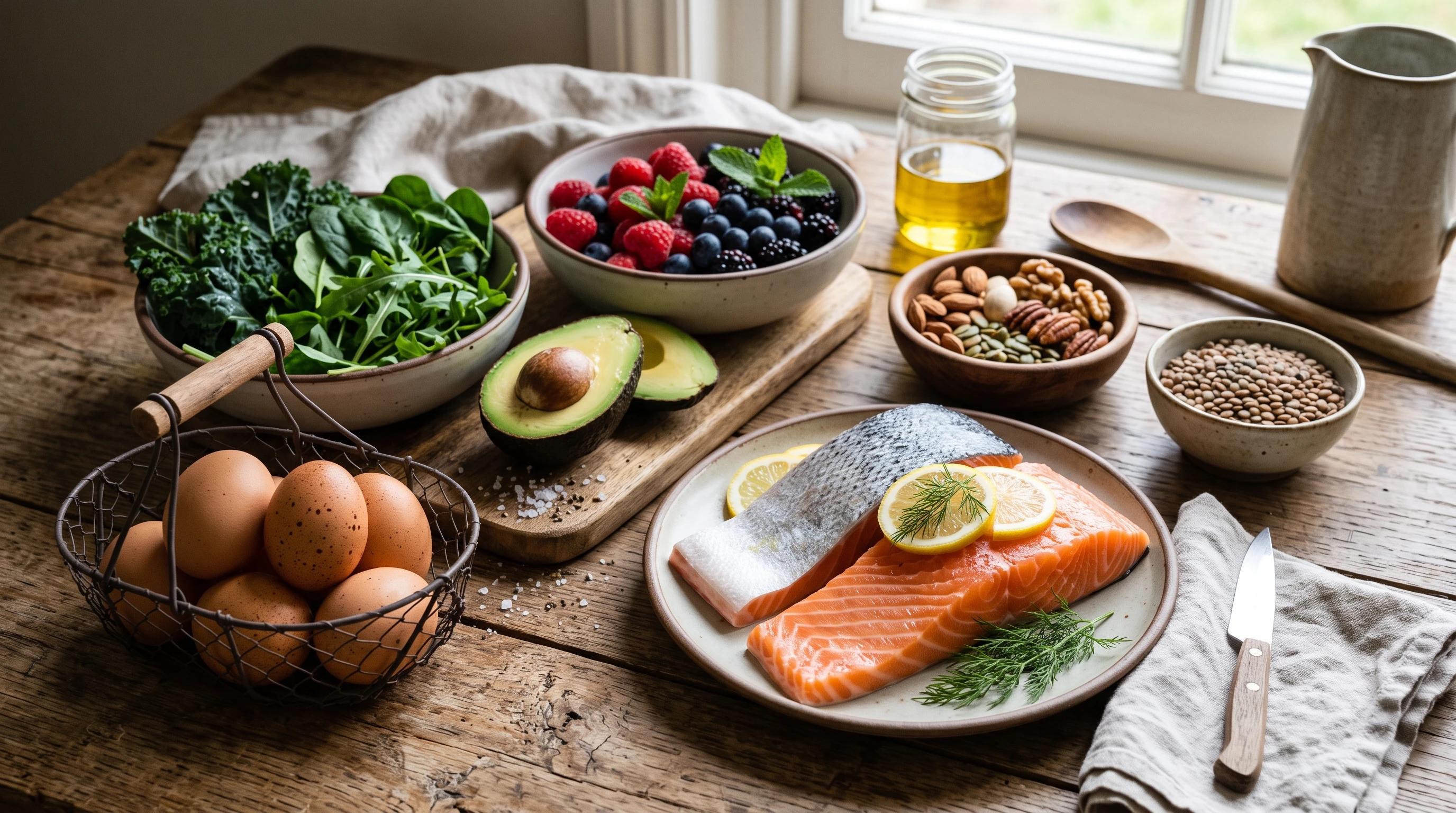
 Whole foods are the real deal when it comes to eating well and feeling your best. I’m talking about foods that haven’t been processed, straight from the earth (or water!), rich in fibre, vitamins, minerals, healthy fats, and more. With so many choices out there, finding the most nutritious can feel a little overwhelming.
If you’re hoping to improve your diet, manage your energy, and support your overall health without any complicated nutrition plans, starting with whole foods is a smart move. Simple foods pack a punch when it comes to nutrients, taste, and long-term benefits.
Buckle up for a full tour of the top 10 best whole foods I highly recommend. Each of these has something special to offer, and they’re easy enough to fit into regular meals or snacks.
1. Eggs: Nature’s Complete Protein
Eggs are pretty much the gold standard when it comes to protein. They offer all the essential amino acids your body needs, which helps with building muscle, keeping you full, and even giving brain health a boost. I like eggs because they’re affordable, cook up fast, and work in just about any meal: scrambled for breakfast, boiled on a salad, or poached on toast.
Benefits of Eggs
- Packed with protein, vitamins, and healthy fats.
- Loaded with choline, which is great for your memory and brain function.
- Super versatile, great for breakfast, lunch, or dinner.
2. Sardines: Tiny Fish, Big Nutrition
Sardines are kind of underrated, but I tend to eat a lot of them! They’re loaded with omega-3 fatty acids, which support your heart and brain. Plus, you get calcium, vitamin D, and lots of protein in every tin. Sardines on toast, tossed into salads, or mixed in with pasta are quick ways to eat them. Adding sardines to a tomato-based sauce can also help ramp up both the nutrition and the flavour of your dinner.
Why Sardines Are So Good
- Rich in omega-3’s for a healthy heart and sharp mind.
- High in calcium (eat the bones; they’re soft!).
- Super convenient and sustainable.
3. Avocados: Healthy Fats in a Creamy Package
If there’s one food I’d never want to live without, it’s avocados. They’re smooth, versatile, and full of nutrients like potassium, vitamin E, and healthy monounsaturated fats that help support your heart. Avocado on toast is of course a classic, but I also love them sliced on rice bowls or in smoothies for extra creaminess. Sometimes, I even use avocado as a base for dressings or dips to get that extra healthy fat in a tasty way.
Top Reasons to Love Avocados
- Monounsaturated fats help maintain healthy cholesterol.
- Loaded with fibre to keep your digestive system moving.
- Super versatile and taste great with almost anything.
4. Blueberries: Antioxidant Powerhouse
Blueberries are the small but mighty champions for antioxidants. That dark blue colour means they’re loaded with anthocyanins, which help fight off cell damage and support healthy ageing. I often toss fresh or frozen blueberries into oatmeal, yogurt, or just snack on them straight from the container. You can sprinkle blueberries over a salad for a touch of sweetness or stir them into pancake batter for an eye-catching breakfast.
Cool Things About Blueberries
- High in antioxidants for cell protection and recovery.
- Good source of vitamin C and fibre.
- Taste delicious and sweet, no added sugar needed.
5. Walnuts: Brain Food With a Crunch
Walnuts get a lot of hype for how similar they look to the human brain, but it’s what’s inside that counts. These nuts are rich in alphalinenic acid (ALA), a type of plant based omega-3, plus antioxidants. Keeping a handful in a snack bag or stirring them into salads gives meals a nutrient boost. Try adding chopped walnuts to homemade granola or blend them into a smoothie for a creamy, nutty flavour.
Benefits of Walnuts
- Contain healthy plant based omega-3’s and protein.
- Support brain health and help reduce inflammation.
- Easy to add to oatmeal, salads, or baked goods.
6. Leafy Greens: Nutrient Packed and Low Calorie
No top list is complete without a solid nod to leafy greens. Think spinach, kale, arugula, romaine, and Swiss chard. These greens are low in calories but offer a ton of vitamins like A, C, K, plus minerals and fibre. My favourite way to eat them is in salads, smoothies, or sautéed with a splash of olive oil. You can also add leafy greens to soups or stirfries for extra texture and nutrition.
Why You Need Leafy Greens
- Super rich in vitamins and minerals.
- Support bone, eye, and immune health.
- Add bulk and nutrients to any meal with barely any calories.
7. Salmon: Delicious Source of Omega-3’s
Salmon stands out for its taste and its generous dose of omega-3 fatty acids EPA and DHA. Those healthy fats are really important for your heart and brain. Grilled, baked, or even served raw as sushi, salmon makes a regular appearance in my weekly menu for both the flavour and nutrition. If you can get some wild caught salmon rather than farmed salmon then all the better.
Main Perks of Salmon
- Packed with healthy fats and protein.
- Rich in B vitamins and minerals, like selenium.
- Easy to cook and feels a bit fancy, even on busy nights.
8. Greek Yoghurt: Protein Plus Probiotics
Greek yoghurt is one of those whole foods that does double duty. It provides protein for muscle repair and satiety, and it’s packed with probiotics that help keep your gut healthy. I opt for plain, unsweetened yogurt to cut back on added sugars, then add my own fruit or a drizzle of honey. You can also use Greek yoghurt as a base for creamy sauces or in baked goods instead of oil for a lighter touch.
What Makes Greek Yoghurt Great
- Higher protein than regular yoghurt.
- Contains live cultures for gut health.
- Works as breakfast, snack, or even a sour cream substitute.
9. Chia Seeds: Tiny Seeds, Huge Benefits
Don’t be fooled by their size. Chia seeds bring a lot to the table. Just a tablespoon or two offers omega-3’s, fibre, and plant based protein. They absorb liquid and form a gel, so they’re fun to use in pudding, overnight oats, or blended into smoothies. Chia seeds can also act as a thickener in recipes or be sprinkled over toast with nut butter for an easy breakfast upgrade.
Things to Know About Chia Seeds
- Good source of fibre and healthy fats.
- Keep you full and help with digestion.
- Super easy to sneak into almost any dish.
10. Lentils: Fibre and Protein All in One
Lentils are an affordable whole food with lots of possibilities. Whether they’re brown, green, red, or black, lentils deliver fibre, protein, folate, and iron. I’m a fan of a simple lentil soup or adding cooked lentils to salads and grain bowls. They’re filling and satisfying. You can also use lentils to make veggie burger patties or mix them into stews for a nutritious, protein rich addition to any dinner.
Why Lentils Work So Well
- Plant based protein source for meals without meat.
- Offer filling fibre for better digestion.
- Budget friendly and quick to cook.
Tips for Adding More Whole Foods to Your Diet
Adding whole foods to your day doesn’t have to mean a full menu overhaul. Swapping processed choices for simple foods like these makes a difference over time. Start by replacing refined snacks or sides with one of these picks a few times a week. Try prepping a veggie packed salad for lunch, keeping boiled eggs in the fridge for snacks, or tossing nuts and seeds into breakfast.
Fresh, minimally processed options are usually found around the perimeter of the grocery store—produce, dairy, and fresh seafood or meat sections. With just a little planning, you’ll find that whole foods can be convenient and delicious. Meal prepping on weekends can set you up for easy, healthy choices all week long. Also, try shopping local farmers’ markets to get in season produce and support your community.
Final Thoughts
Eating more whole foods is a simple way to support better health, give your energy a boost, and enjoy real flavour. The foods on this list are some of my personal favourites for both nutrition and taste. They’re easy to incorporate into almost any routine. Give them a try and see how good simple food can make you feel. Your body and mind will thank you as you start feeling the positive effects in your daily life. Remember, every little change helps, so mix in whole foods whenever you can—you may be surprised at how quickly you start to notice the difference. These are my top 10 whole foods but you may have some better ideas? Please leave a comment below if you have on your favourite whole foods for taste and nutrition.