
Protein is a big part of most people’s diets, at least it should be, and knowing where your protein comes from really matters. Many people wonder if meat protein is better than plant protein. There’s plenty of debate about this topic, especially with more people checking out vegetarian and vegan lifestyles. I want to walk through how both options work, what makes them different, and some real-life things you might not always hear about when deciding how to get enough protein every day.
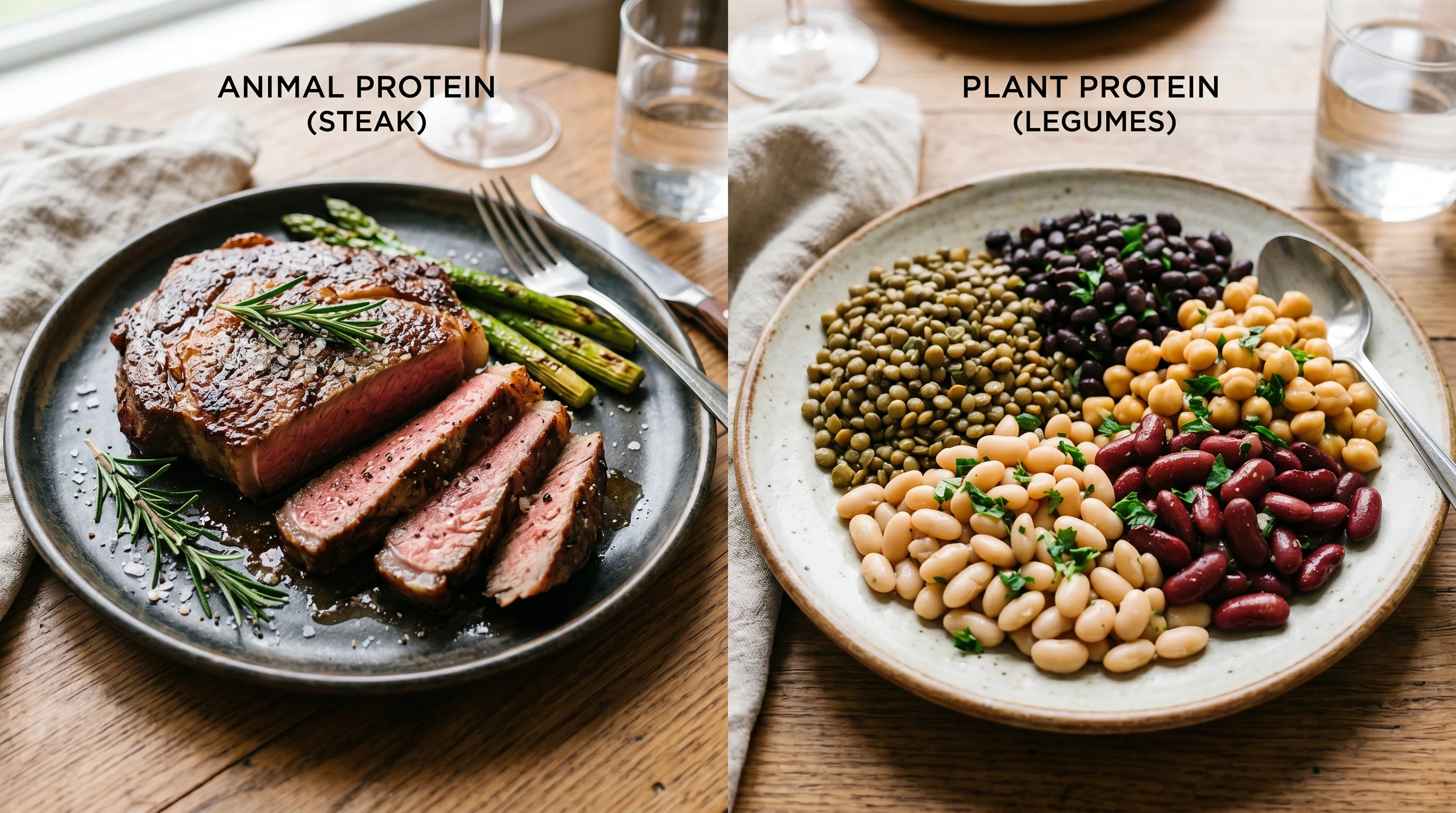
Understanding Protein: What Is It and Why Is It Needed?
Protein is a vital nutrient found in every cell of the body. It’s made up of smaller parts called amino acids. Think of amino acids as building blocks that your body assembles into muscle, skin, hair, enzymes, hormones, and even your immune system. Out of all the amino acids, nine are considered essential. This means the body can’t make them, so you have to get them from food.
Getting enough protein supports muscle growth and repair, keeps your immune system working well, and even helps maintain healthy skin and hair. Both meat and plant foods can give you protein, but the way they do it is not the same. For athletes, older adults, and people with active lifestyles, eating enough protein is especially important to keep performance and recovery at their best.
Meat Protein: Complete and Highly Concentrated
Animal-based protein sources, including beef, chicken, pork, fish, and eggs, are considered complete proteins. This means they contain all nine essential amino acids in amounts your body can use efficiently. When I eat a piece of chicken or a serving of beef, I’m getting protein that’s already balanced for what my body needs.
Another thing that stands out with meat is how much protein you get for the amount you eat. For example, a 100-gram serving of cooked chicken breast has about 30 grams of protein. In comparison, 100 grams of cooked lentils only offer about 9 grams. If I rely on meat, I can meet my protein target without needing to eat a huge amount of food, which can be convenient, especially if I have a busy schedule or get full easily.
Besides protein, meat is also rich in important nutrients like iron, vitamin B12, zinc, and creatine, many of which are harder to find or absorb from plant foods. This can be especially useful for people with higher nutrient needs, such as athletes, children, or pregnant women. Also, for those concerned about staying strong and avoiding anaemia, having animal-based foods a few times per week could make a clear difference in overall wellness.
Plant Protein: Incomplete and Less Concentrated
Plant-based protein sources include beans, lentils, chickpeas, quinoa, nuts, seeds, and whole grains. Most plant proteins (with a few exceptions like soy and quinoa) are considered incomplete proteins. This means they lack one or more essential amino acids in the amounts your body wants. To get a complete amino acid profile, I need to combine different plant foods, like eating rice with beans or peanut butter with wholegrain bread.
Plant proteins are also less concentrated. For someone who wants to get 30 grams of protein, it might require two to three cups of cooked beans or lentils. That’s a lot of food, and it’s not always practical for everyone. People with smaller appetites or those who get full fast might find it hard to eat such large volumes daily, especially if they’re not used to high-fibre meals.
Plant foods do come with extra nutrients like fibre, antioxidants, and healthy fats, which support good digestion and overall health. However, plant foods can also contain something called “anti-nutrients,” which I’ll talk about more below. Despite being less protein-dense, plant options are often favoured for their gentle environmental impact and the variety they bring to meals.
The Amino Acid Difference
The body uses amino acids in very specific ways. If I skip out on a particular essential amino acid for a long time, my body can’t make the proteins it needs for repair or growth. This is where complete proteins like meat shine. Every time I eat a piece of fish or steak, I’m covering all my amino acid bases at once, without having to think much about food combinations.
With plant protein, getting the full set of amino acids takes a little more attention. If I eat only rice, I don’t get enough lysine. If I eat only beans, I might be short on methionine. Eating both together, such as rice and beans or hummus and pita, fills in those gaps. It’s definitely doable but takes more planning, especially for people who eat limited types of food. Some food cultures around the world have naturally come up with ways to mix grains, legumes, and seeds, ensuring balanced nutrition over time.
Bioavailability and Nutrient Absorption
Bioavailability refers to how well the body absorbs and uses nutrients from food. Meat protein is known for having high bioavailability, meaning your body can easily break it down and use the amino acids and nutrients. Many animal proteins help the body absorb minerals like iron and zinc more efficiently too.
On the other hand, some plant foods contain substances that can make it harder for the body to absorb nutrients. These anti-nutrients, such as oxalates and lectins, can bind to minerals like calcium, iron, and zinc, reducing how much your body takes in. While cooking, soaking, or fermenting plant foods often lowers anti-nutrients, some people—especially those with gut issues or sensitivities—might still struggle. Understanding your own digestive comfort with these foods is key to making the right choices for your diet.
Considerations with Meat and Plant Protein
- Ease of Getting Enough Protein: Getting all the protein I need is usually easier with meat, since it’s more concentrated and complete. For plant-based diets, I often have to pay closer attention and eat larger portions or combine foods thoughtfully throughout the day.
- Digestive Concerns: Some people experience digestive discomfort from high fibre plant foods or sensitivity to anti-nutrients. Others might feel lighter and more energetic with a mostly plant-based approach. The right choice sometimes comes down to individual body responses and preferences.
- Cost and Availability: Depending on where I live and what’s available, plant proteins like beans and lentils are generally cheaper and store longer than meat, which can help with budget planning. Access to a variety of protein sources may affect your choices.
- Ethical and Environmental Factors: Some lean toward plant protein for ethical or environmental reasons. While that’s beyond the nutrition conversation, it’s a valid part of the decision-making process for many people and can easily become the deciding factor for some families.
Anti-Nutrients in Plants: What to Know
Some plant foods naturally contain anti-nutrients such as oxalates, phytates, lectins, and saponins. These compounds can interfere with the absorption of minerals or cause digestive discomfort in some people. For example, oxalates found in spinach can bind to calcium, making less of it available for the body to use. Lectins, which are common in beans and wholegrains, might bother sensitive individuals, causing issues like bloating or stomach upset.
If I have specific health concerns, or know I don’t do well with certain foods, paying attention to how much I rely on high oxalate or high lectin sources can be really important. Some people feel better when they stick with animal proteins or carefully select and prepare their plant foods. Otherwise, using soak, sprout, and ferment prep methods can make plant foods easier on the digestive system.
Best Practices for Getting Enough Protein
Whether I eat meat, plant foods, or a mix of both, getting enough protein should feel doable, not stressful. Here are a few practical tips I find useful for reaching daily protein targets:
- Using lean meats, eggs, or dairy for efficient, complete protein.
- Combining different plant foods over the course of the day if following a vegetarian or vegan diet.
- Trying methods like soaking, sprouting, or fermenting to reduce anti-nutrients in beans and grains, which can help make meals more comfortable and absorbable.
- Not stressing over every meal being perfectly balanced; balance happens over several days, not always at every sitting, so flexibility helps prevent burnout and keeps eating enjoyable.
- Paying attention to how I feel after meals—energy levels, satiety, and digestion—to fine tune protein choices week to week.
Common Questions About Meat vs. Plant Protein
Is one type of protein “better” than the other?
There’s no simple winner. Both have strengths. Meat is more concentrated, contains all the essential amino acids, and is highly absorbable. Plants add fibre, antioxidants, and other nutrients but might require more planning for enough protein and full nutrition. For some, meat makes reaching protein needs easier, while others do perfectly well with plant sources or a mix.
Can I get all the nutrients I need from plants alone?
It’s possible, but it takes extra attention. Combining foods for complete amino acids and watching for nutrients like iron, B12, and zinc makes a big difference. Some plant-based eaters choose to supplement with certain vitamins or minerals.
Are anti-nutrients in plants something to worry about?
For most healthy people, anti-nutrients are not a major problem, especially if you eat a varied and properly prepared diet. However, sensitive individuals or those with certain health conditions should watch for symptoms. Cooking and soaking can help lower anti-nutrients in many foods.
Why do some people prefer plant protein?
Some people feel lighter, have fewer digestive issues, or follow plant-based diets out of environmental or ethical concerns. It’s all about finding what feels best for your own body and lifestyle. Exploring different options can also keep your meals interesting and satisfying.
How To Approach Protein Choices
When deciding between meat and plant protein, look at your personal health, tastes, daily routine, and beliefs. If you need to increase your protein quickly or want something simple, rely more on meat, poultry, or fish. On days you feel like lighter, fibre-rich options, add beans, lentils, and grains. And if cooking for friends with different preferences or dietary needs, try to prepare a mix so everyone finds something that works. Remember, listening to your own body and preferences is key to finding what balances both enjoyment and nutrition over the long term.
There’s no single answer for everyone, which is why being flexible and listening to your body makes a lot of sense. If you ever have concerns about getting enough protein or specific nutrients, talking to a healthcare professional or registered dietitian helps sort out the right approach for your needs.