Cheese often pops up into conversations about whole foods, healthy diets, and processed snacks. Plenty of people ask: is cheese actually a whole food, or does the way most cheese is made put it outside that category? I’ve spent some time educating myself about cheese, reading ingredient lists, and checking in with nutrition experts, so here’s a detailed breakdown grounded in real experience and practical info.
What is a Whole Food?
To answer whether cheese is a whole food, it helps to get clear on what “whole food” really means. When I talk about whole foods in my kitchen, I mean foods that are close to their natural state, with minimal ingredients and only gentle processing if any. The popular thinking is that whole foods have been changed as little as possible from how they’re found in nature. Things like fresh meat, fish, fresh fruits, vegetables, whole grains, and plain nuts fit the bill perfectly.
A food can still be considered “whole” if it’s processed in a simple way — like grinding, fermenting, or chopping — as long as nothing unnecessary is added and the core nutrition isn’t stripped away. This allows some flexibility; for example, bread made from just flour, water, salt, and yeast is still reasonably whole.
How Cheese is Made: A Quick Look
At its core, traditional cheese starts out simple. It’s made by adding bacterial cultures and rennet to milk. These ingredients help the milk curdle, then the solids are collected, salted, and aged using various methods. The steps themselves—heating milk, adding cultures, draining curds, and ageing—aren’t very different from making homemade yogurt or fermenting vegetables. Because of this, cheese counts as one of the oldest minimally processed foods when it sticks to basics.
There are dozens of different methods used around the world, from pressed hard cheeses like cheddar to soft, spreadable varieties made with only fresh milk. The real difference is in the details and extra ingredients, which is where some cheeses stop being a true whole food.
Is Cheese a Whole Food?
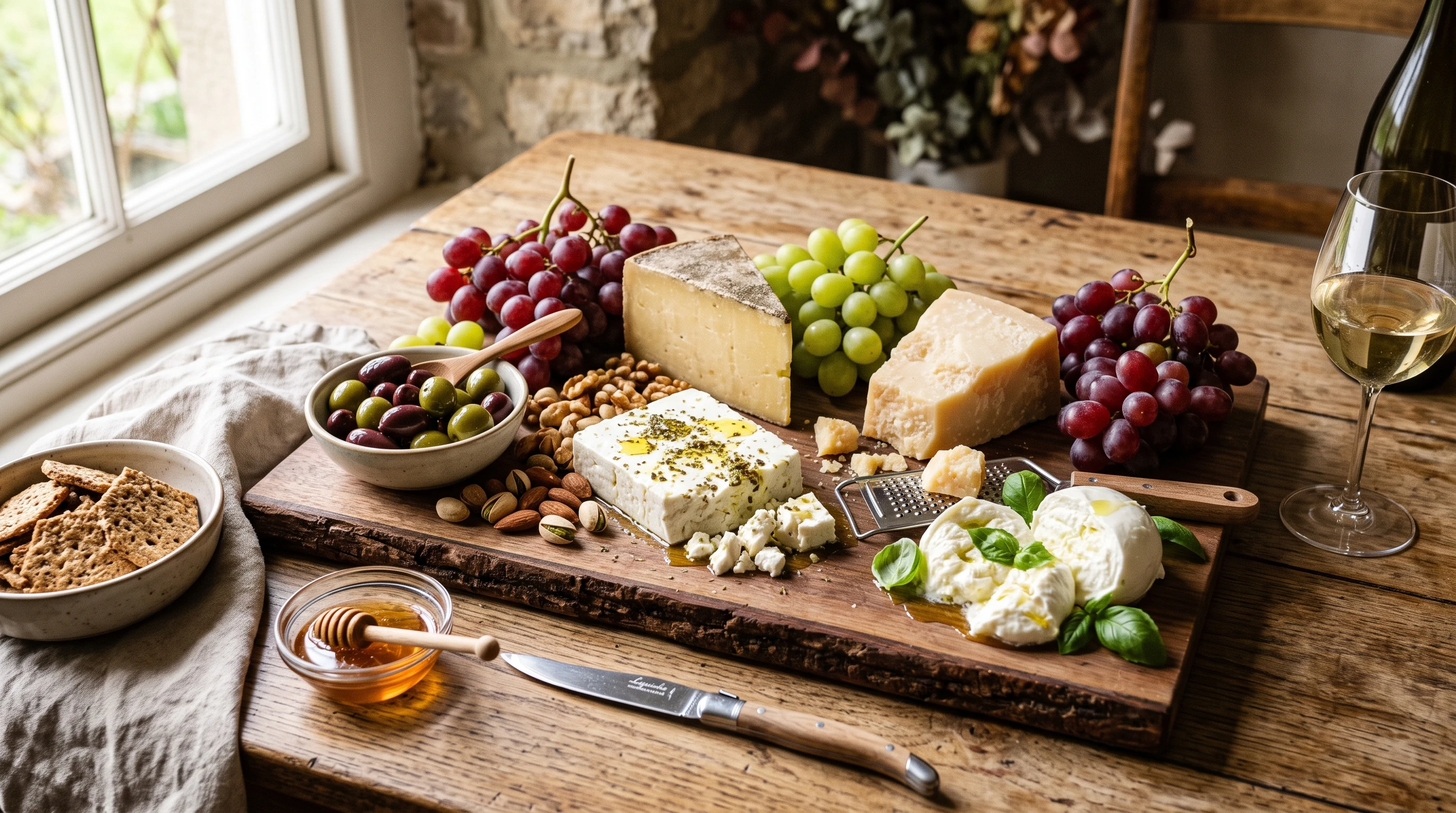
Most traditional cheeses land squarely in the whole food camp. Classic cheeses such as cheddar, mozzarella, Swiss, gouda, and feta are typically made from just four ingredients: milk, cultures, rennet, and salt. No artificial flavours, colours, or preservatives. As someone who’s gone through the process at home, it’s not much different than making yoghurt or kefir from scratch.
Some supermarket cheeses, though, pick up extra ingredients — like anti-caking agents, stabilisers, or flavour boosters — and these bump them out of the whole food zone. Block cheese from the deli or artisanal types from local markets are about as basic as it gets. But pre-shredded, sliced, or “cheese food” products are much more processed. If you’re hoping to stick with whole foods, choose cheeses with very short, simple ingredient lists.
Least Processed Cheeses Worth Checking Out
- Fresh Mozzarella: Made from milk (sometimes buffalo milk), citric acid, and salt. With little to no ageing or preservatives, it’s about as whole as cheese gets.
- Ricotta: Usually just milk, vinegar (or lemon juice), and salt. It’s super easy to make at home and rarely has anything extra added.
- Farmhouse Cheddar: Look for cheddar labelled as “clothbound” or “traditional.” These go through ageing and salting, but usually skip the synthetic colourants, emulsifiers, and other extras found in mass produced cheddar.
- Parmigiano Reggiano: The real deal parmesan from Italy follows the original recipe—just milk, salt, and rennet.
- Feta: Authentic feta, especially from Greece with sheep’s or goat’s milk, typically offers the most basic set of ingredients.
Skip any cheese labelled “processed,” “cheese food,” or “cheese product.” These almost always have extra oils, gums, and flavours that transform them well beyond the world of whole foods.
Health Benefits of Eating Cheese as a Whole Food
I’ve found that adding a little real cheese into meals is both satisfying and full of perks. Here’s what research and nutrition experts shine a light on when it comes to eating minimally processed cheese:
- Quality Protein: Cheese packs plenty of protein, making it a smart choice for snack plates and power-boosting meals.
- Calcium and Vitamins: Besides calcium — very important for sturdy bones and teeth — cheese provides B12, vitamin A, vitamin D, and zinc. These are exactly what you’d expect from a concentrated dairy food.
- Healthy Fats: Cheese fats add flavour and help the body soak up fat-soluble vitamins. In reasonable amounts, it’s far better than the random oils found in most processed foods.
- Digestive Support: Many aged cheeses are lower in lactose because the bacteria break it down as the cheese matures. For people with mild lactose sensitivity, this can make cheese much easier to handle.
- Satisfaction: Even small servings of cheese help you feel full, which is useful for mindful eating and curbing snack cravings.
There’s a lot of chatter about the saturated fats found in cheese, but real, traditional cheese is completely different from snack cheese or junk food nutritionally. Moderation matters, but cheese delivers a lot of nutrition per calorie when chosen wisely.
For those with concerns about sodium, picking cheeses lower in salt, or simply managing your portion sizes, can help ease the load on your diet while still letting you enjoy the good stuff. Pair cheese with fresh fruits, whole grains, or leafy greens for a more balanced meal.
What Makes a Cheese “Not a Whole Food”?
If you buy processed American cheese slices, string cheese with preservatives, or those neon orange cheese “snacks,” you’ll spot a lengthy ingredient list. These can include vegetable oils, sodium phosphates, artificial dyes, and extra stabilisers. Additives like these change the nutritional value and move the product much further from the idea of eating whole foods. Even pre-shredded cheese often gets anti-caking agents to prevent clumping.
When reading cheese labels, sticking with ones containing only milk, salt, cultures, and rennet is a safe bet. If the ingredient list reads like a chemistry set, it’s likely best to pass for something simpler and closer to the source.
Tips for Choosing Whole Food Cheeses
- Check Ingredient Lists: Find cheeses with four or five ingredients at most — milk, cultures, rennet, and salt. Skip anything with added oils, powders, or gums.
- Go for Blocks or Wheels: Whole blocks or wedges sold at the deli counter have fewer additives compared to shredded, sliced, or prepackaged varieties.
- Shop Local or Artisanal: Smaller producers and local creameries usually stick with time-honoured recipes. These may cost more, but you get amazing flavour, better nutrition, and higher food integrity.
- PDO or Certified Options: Look for European cheeses labelled PDO (protected designation of origin) like Parmigiano Reggiano or Roquefort. These follow strict traditional methods.
- Steer Clear of “Lite” Versions: Reduced fat or “light” cheeses sometimes include fillers or stabilisers to make up for the lost texture or flavor.
For the best experience, check your grocery store deli counter for real cheese. Farmers markets and special cheese shops can be outstanding sources if you want to support local makers and get cheese that’s as close to nature as possible.
Common Questions About Cheese as a Whole Food
Is vegan cheese a whole food?
Most vegan cheeses are crafted from starches, oils, and flavours to mimic milk-based cheese. Unless you’re buying one that’s simply nuts, salt, and cultures, most vegan options lean pretty hard on processing.
Can I eat cheese on a whole food diet?
Absolutely, if you stick to classic cheeses with very short ingredient lists. These blend right into a balanced diet built around minimally processed foods.
What about lactose intolerance?
Many aged cheeses are naturally low in lactose. Hard cheeses like parmesan and Swiss can be easier to digest if you’re sensitive to lactose, since ageing breaks down much of the sugar.
Is cottage cheese a whole food?
Cottage cheese comes pretty close, especially when it’s plain with only milk, cultures, and salt. Some brands add cream or gums, though, so be ready to double-check the label.
Wrapping Up: Cheese as Part of a Wholesome Diet
Cheese in its purest form is a whole food crafted from milk, salt, cultures, and patience. As long as you’re choosing traditional varieties with a minimal ingredient list, you’re picking a food celebrated for centuries with only simple processing. For maximum nutrition and zero unwanted additives, pick blocks of cheese to cut yourself, or shop at spots that focus on traditional, small-batch cheese making.
Cheese truly brings a lot to your meals: protein, calcium, vitamins, and that next-level cool taste that can make salad, pasta, or even a cracker way more satisfying. If you’re building your meals around whole foods, real cheese is a smart and satisfying addition — just keep an eye on the ingredient list. That way, you get every tasty benefit of cheese minus the processed extras and chemicals you don’t need. Cheese is without doubt one of my favourite foods! My favourite is Boursin. Which is your favourite?