Plain crisps might look simple, but their spot in the world of ultra processed foods (UPF) actually depends on what goes into them. If you’ve ever flipped over a bag and checked the ingredients list, you’ll notice it varies a lot from one brand to another. So, I’ll break down what counts as ultra processed and what you need to watch for when eyeing up a packet of plain crisps.
What Does “Ultra Processed” Actually Mean?
The term “ultra processed food” comes from something called the NOVA food classification system. Basically, this system sorts foods into groups based on how much processing they go through before ending up on your plate. Ultra processed foods are heavily industrially modified and usually contain ingredients like flavour enhancers, preservatives, artificial colours, and emulsifiers. These aren’t things you’d typically find in a home kitchen.
When it comes to crisps, whether they’re ultra processed or not comes down to what’s in the bag. Some brands stick to the basics: potatoes, vegetable oil, and salt. But others mix in a whole list of additives that push them into the ultra processed category.
Ingredients in Plain Crisps: What Should You Look For?
Not all plain crisps are the same. Some are made with only a few ingredients, which keeps them pretty close to whole food territory. Others get pumped up with all sorts of additives. Here’s a breakdown of what you might see on the ingredients list:
- Potatoes: This is the starting point for most crisps. If it’s real potato (not potato powder), that’s a good sign.
- Vegetable oil: Standard for frying crisps. This could be sunflower oil, rapeseed oil, or palm oil.
- Salt: The most common seasoning for plain crisps.
- Additives: Things like flavour enhancers (e.g., monosodium glutamate/MSG), preservatives, reconstituted potato powder, emulsifiers, and even colours. These are what generally tip crisps into the ultra processed category.
If you see just potatoes, oil, and salt, the crisps are usually not classed as ultra processed. As soon as the list grows with numbers, flavours, and chemical names, you’re probably looking at a UPF.
Why Do Some Crisp Brands Use More Additives?
Some brands go beyond the simple three ingredient recipe because it boosts shelf life, cuts production costs, or gives a boost to taste in a big batch setting. Using potato flakes or reconstituted potato powder lets manufacturers shape and mass produce crisps that look identical. Preservatives help them stay crunchy longer. Artificial flavours and colours can make them more addictive or visually appealing.
All this tinkering adds up. Foods that include reconstituted potato, lots of added flavours, or unfamiliar chemical sounding stuff are falling squarely in the UPF zone, no matter how basic their flavour might seem.
Processed vs. Ultra Processed: It’s Not All the Same
It’s worth pointing out that almost all crisps are processed in some way. Slicing, frying, and packaging are all forms of processing. What moves them into the “ultra processed” group is the use of artificial additives and ingredients that don’t usually show up in homemade food. So, not all processed foods are bad, but ultra processing is where a lot of health concerns come from.
Parents and snack lovers alike might be interested to know that different countries have different policies on food additives. For example, in parts of the EU, some preservatives and artificial colours common in the US aren’t allowed. This has led some brands to tweak their recipes depending on where they’re selling crisps. Curious eaters should pay attention to these differences, especially if they’re travelling or buying imported products.
Examples of Non-UPF Plain Crisps
Here’s what a simple ingredients list might look like on a non-UPF bag of plain crisps:
- Potatoes
- Sunflower oil
- Salt
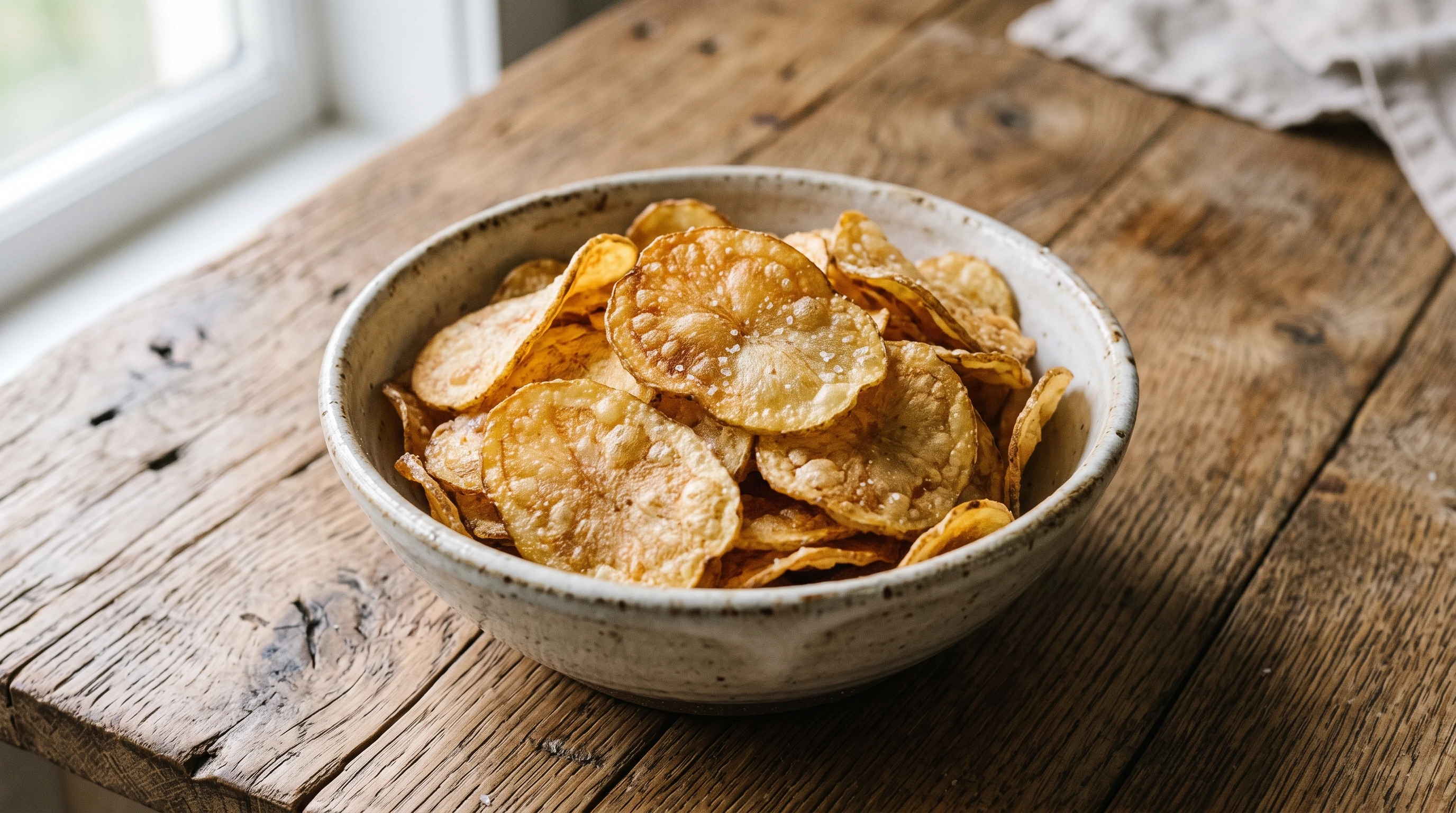
Pretty easy to understand, right? With a short list like this, you’re likely sidestepping the ultra processed label. These kinds of crisps are closer to what you might make at home, just on a bigger scale. They’re usually crunchier, have a more pronounced potato flavour, and taste fresher than their heavily processed cousins.
Examples of UPF Plain Crisps
Some brands add plenty more. Here’s a more complex list that points to UPF status:
- Dehydrated potato
- Modified maize starch
- Vegetable oils (sunflower, palm, rapeseed)
- Salt
- Sugar
- Dextrose
- Emulsifier (soy lecithin)
- Preservatives (such as E223)
- Flavour enhancers
This is where you get into ultra processed territory. If you see reconstituted potato, starches, and a handful of E numbers, you’re not in whole food land anymore. These crisps often have an unusual texture or sheen, and their flavour might seem strangely uniform, which can be a giveaway of lots of additives at work. Some people even find the aftertaste noticeably different from classic crisps.
How Healthy Are Plain Crisps Anyway?
Even though some plain crisps aren’t technically ultra processed, that doesn’t mean they’re a healthy snack. The main concern for many people is the vegetable oil used for frying. Most crisps use sunflower, rapeseed, or palm oil, all of which are high in omega 6 fats. Eating too much of these oils has been linked to inflammation and might have a real impact on your gut microbiome.
Your gut microbiome is basically the collection of bacteria and microbes that help with digestion and keeps your immune system ticking along. High intake of certain seed oils can disrupt this balance, especially if you eat a lot of processed foods. So, even the so called “better” crisps are still something to have in moderation. If you’re worried about these oils, you can look for crisps cooked in olive oil, which is less common but starting to appear more on store shelves as consumer demand grows for healthier options.
The Crisp Manufacturing Process: What Actually Happens?
For anyone a bit curious about what happens behind the scenes, here’s a rundown of how most plain crisps are made:
- The potatoes get washed, peeled, and sliced thin.
- The slices are fried in hot oil, usually between 160 and 180°C, until crisp.
- After frying, they’re drained and salted. Flavoured or UPF crisps would get their extra seasonings here.
- Crisps cool, then get bagged up and sealed for freshness.
If the process is kept this simple and ingredients are pure, you’re less likely to be eating an ultra processed product. However, some factories switch up the process over time to keep up with trends or new regulations, which can influence the nutrition and taste of the final snack.
Interestingly, newer brands have started to experiment by baking instead of frying plain crisps. Baked crisps are often marketed as lighter or healthier, although their real benefit depends on the ingredients and how much oil is involved. This demonstrates there are always new twists showing up in the world of crisps, reflecting changing consumer tastes and health awareness.
Checking Labels and Choosing Wisely
I always read the label when picking up a bag of crisps, especially if I’m after something that isn’t ultra processed. Short, familiar ingredients lists are your best friend. Ingredients are listed in order of quantity, so if you see a bunch of additives high up, it’s worth leaving that bag on the shelf.
Look for brands that highlight “just potatoes, oil, and salt,” or even ones cooked in olive oil. Some smaller or speciality brands skip the weird additives to keep things simple. Supermarkets sometimes sell their own versions with fewer ingredients, so it’s worth comparing a few options next time you’re browsing the snack aisle. Remember, even within the world of crisps, there’s a lot of variation if you take a moment to check those labels carefully.
Frequently Asked Questions
Are plain crisps always ultra processed?
Not always. If the ingredients are just potatoes, oil, and salt, they’re not generally classed as ultra processed foods. If the list includes artificial flavours, preservatives, or reconstituted potato, then they’re considered UPF.
Are ultra processed crisps really worse for you?
UPF’s often contain additives and fats that nutrition experts recommend limiting. Regularly eating ultra processed crisps can mean getting extra salt, low quality fats, and additives that aren’t so great for health in the long run.
How can you spot ultra processed crisps?
Watch out for longer ingredient lists with unfamiliar names, E numbers, or things you wouldn’t usually have in your own kitchen, like flavour enhancers and preservatives.
Are crisps made from reconstituted potato considered UPF?
Yes, if crisps are made from reconstituted potato or potato powder and include multiple additives, they’re considered ultra processed.
Wrapping Up
Plain crisps don’t automatically land as ultra processed foods. If you stick to varieties with just potatoes, oil, and salt, you’re usually in the clear. But once the ingredient list goes beyond that, you’re entering UPF land. No matter what you pick, it’s a good idea to check those labels and remember that even the simplest crisps aren’t exactly a health food. Enjoy them as an occasional treat, and keeping an eye on what’s inside helps you snack a bit smarter. Next time you reach for a bag, maybe double check that ingredient list and see how your favourite brand stacks up. Picking the right crisps can make enjoying snacks a little easier on your health and still satisfy that crunch craving.