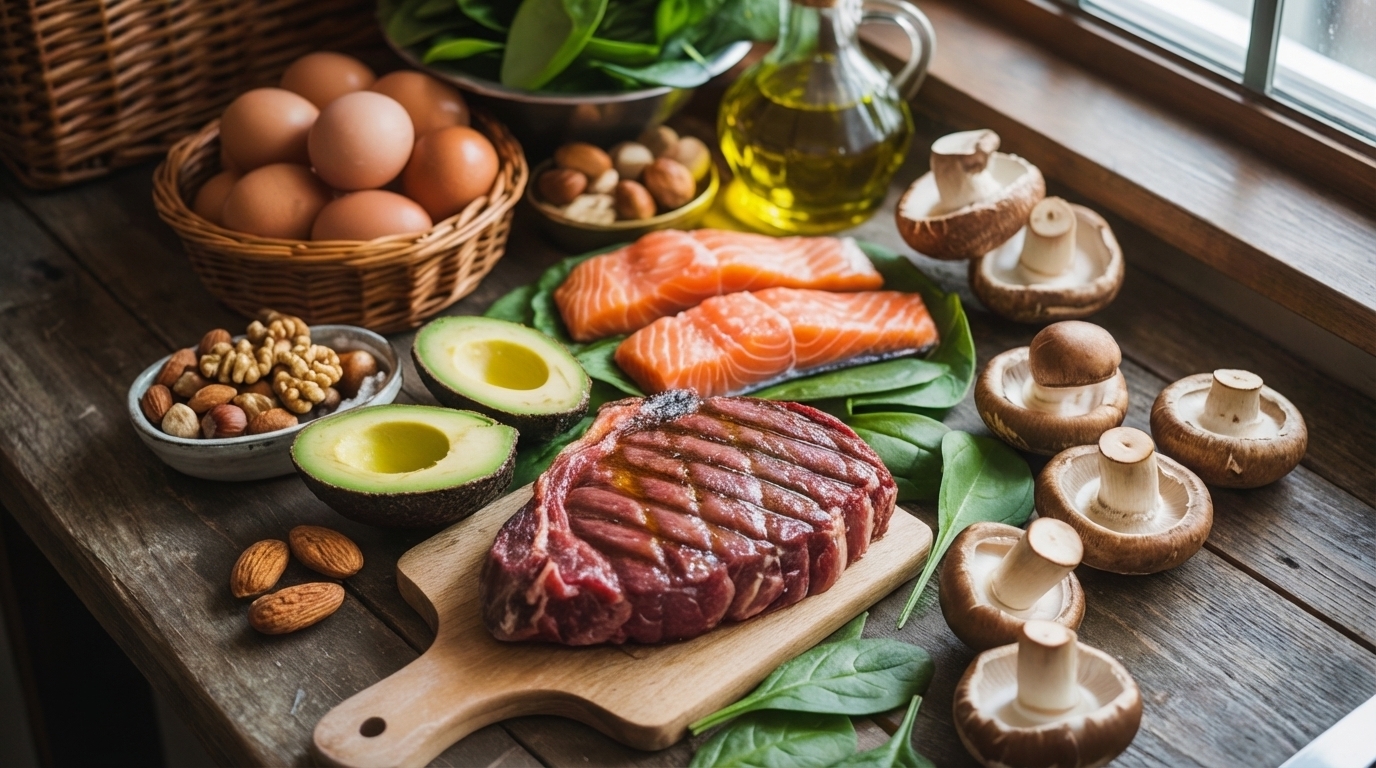
If you’re looking into ways to manage high blood pressure naturally, the carnivore diet might have caught your attention. This way of eating, which focuses exclusively on animal based foods, has gained followers who report a range of health benefits, including better blood pressure control. My experience as a nutrition writer has shown me just how important it is to separate facts from trends when it comes to diet and health. In this article, I’m going to cover how a carnivore diet may impact blood pressure, look at the science, and share practical pointers if you’re thinking about trying it.

What Is the Carnivore Diet?
The carnivore diet is exactly like it sounds: a dietary approach that involves eating only animal derived foods. This means a day’s meals could include beef, pork, poultry, fish, eggs, and sometimes dairy. All plant based foods are completely left out. Many who follow this approach are attracted to its simplicity and the possibility of fast weight loss, or just less complicated eating overall.
Most people start with a mix of fatty and lean cuts of meat, eggs, and seafood. Some folks add low lactose dairy like hard cheeses or butter. Carbs, fruits, veggies, grains, and legumes are all off the table. The diet gained momentum through stories shared online, but scientific research is still catching up to these personal accounts.
How a Carnivore Diet Might Lower Blood Pressure
I’ve talked to many people who have seen their blood pressure numbers improve in the first weeks and months after switching to an animal based diet. There are a few reasons this happens for some people, especially early on.
- Weight Loss: Most people shed some pounds quickly because the diet can be filling, making it easier to eat less without feeling hungry. Since losing weight often helps lower blood pressure, this change can show up fast on the monitor.
- Blood Sugar Stability: Animal based foods don’t cause the same spikes in blood sugar that processed carbs or sugary foods do. Stable blood sugar helps prevent insulin resistance, which has been linked to high blood pressure.
- Less Inflammation: Some feel better and report fewer aches, which they attribute to lower levels of inflammation. Chronic inflammation can worsen high blood pressure, so reducing it could help the numbers come down.
People who’ve tried the carnivore diet often mention feeling more energised and less bloated after a few weeks. Many also notice improvements in other metabolic markers, like fasting blood sugar and triglycerides, at least in the short term.
Scientific Studies and What We Know So Far
The evidence supporting the carnivore diet as a way to manage high blood pressure is still emerging. There are a few small studies and surveys, but most of the available information comes from individual case reports, online forums, and social media posts.
Most well understood diets that help with high blood pressure, such as the DASH or Mediterranean diet, include a variety of whole foods, including plants. Currently, there’s not enough long term research to say a carnivore diet is safe or effective over many years.
Potential Benefits of a Carnivore Diet for Blood Pressure
- Simplicity: Planning meals becomes straightforward, which can help some people stick to healthier habits more easily.
- Reduction in Ultra Processed Foods: Processed snacks, refined sugars, and salty convenience foods are cut out, improving sodium balance and possibly blood pressure.
- Natural Elimination of Fructose and Gluten: Both have been associated with inflammation and metabolic disturbances in some individuals.
Those who benefit the most in terms of blood pressure often had poor eating habits before starting, such as a high intake of salty processed foods or sweetened drinks. When these foods are swapped for fresh, whole foods—animal based or not—blood pressure might improve.
Things to Think About Before Trying the Carnivore Diet
This way of eating isn’t for everyone, and there are important considerations, especially if you’re worried about heart health.
- Nutrient Gaps: Skipping all plant foods means missing out on fibre, some vitamins (like vitamin C), and plant antioxidants. While some nutrients can be found in organ meats, few people eat these every day.
- Sodium and Potassium Balance: Animal foods are typically higher in sodium, especially processed meats. High sodium intake can push up blood pressure in salt sensitive individuals, so it’s important to keep an eye on this if you’re predisposed.
- Long Term Effects Unknown: Since most research looks at weeks or months, it’s a bit of a question mark what following an animal only diet could mean for many years.
Before making big changes, I always recommend checking in with your doctor or a registered dietitian. If you’re on medications for blood pressure, changes in diet can affect how your body responds. Routine blood tests can help spot nutrient gaps or changes in cholesterol or kidney function.
The Role of Regular Health Monitoring
Trying a new eating style can lead to quick shifts in health markers. I strongly suggest working with your medical team and scheduling blood tests if you’re considering following the carnivore diet for more than a few weeks. This helps you and your doctor spot any surprises early, such as changes in kidney function or cholesterol.
If you experience dizziness, weakness, or big changes in your blood pressure, check in with your physician right away.
How to Lower Blood Pressure—is Carnivore Your Only Option?
While a carnivore diet may offer short term help with blood pressure for some—mainly thanks to cutting out processed foods, stabilising blood sugar, and weight loss—there are other proven ways to get these results. Many find great success with common approaches such as:
- Eating more vegetables, fruits, and whole grains (DASH or Mediterranean approach)
- Lowering salt intake
- Getting regular exercise
- Losing extra weight
- Managing stress
Some of the best long term data still backs diets rich in a wide variety of foods full of fibre and nutrients. But if you’re curious about a more restrictive approach, having the support and input of health professionals is key to staying healthy and safe.
Frequently Asked Questions
Question: Can the carnivore diet lower blood pressure quickly?
Answer: Many people report short term improvements in blood pressure after switching to a carnivore diet, usually due to fast weight loss, steadier blood sugar, and less inflammation.
Question: Is eating only animal foods safe for the heart?
Answer: There is not enough research yet to know the long term effects of an all animal foods diet on heart health. Talking with your doctor is really important if you have concerns or a family history of heart disease.
Question: What should I check with my doctor if I want to try the carnivore diet?
Answer: Ask about regular blood work to follow cholesterol, kidney function, and vitamin and mineral levels. Share any symptoms or side effects you notice after you switch your diet, so your care team can support you.
Wrapping Up
Choosing a diet to manage blood pressure is a personal decision. For some, a carnivore diet may make a real difference, especially in the first few months as processed foods are replaced by simple, high protein meals. Still, it’s really important to check in with health professionals, especially if you plan to continue for a long time. Careful tracking and solid medical support help keep you on the right path to better health without unwanted surprises. Take things step by step, and you’ll be more likely to see lasting results.