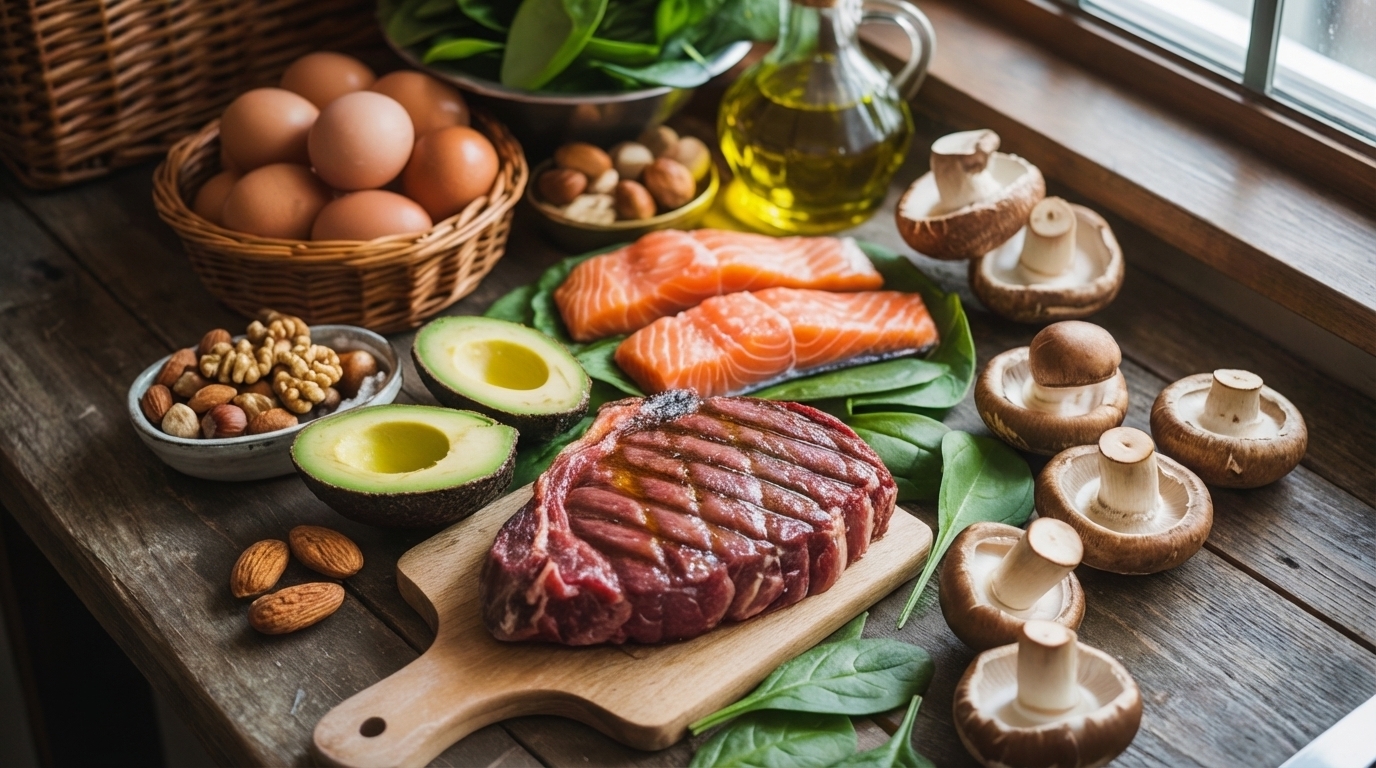
Eating like our ancestors is becoming more popular every year, and it’s not just a trendy thing to do. There’s actually a lot of real science behind why a diet focused on whole, unprocessed foods is really important for our health. When I say eating like our ancestors, I don’t mean chasing wild animals or foraging in the woods (unless that sounds fun to you!), it’s about switching back to the foods that our bodies evolved to handle: real, nutrient dense stuff that comes from the earth and not from a factory.
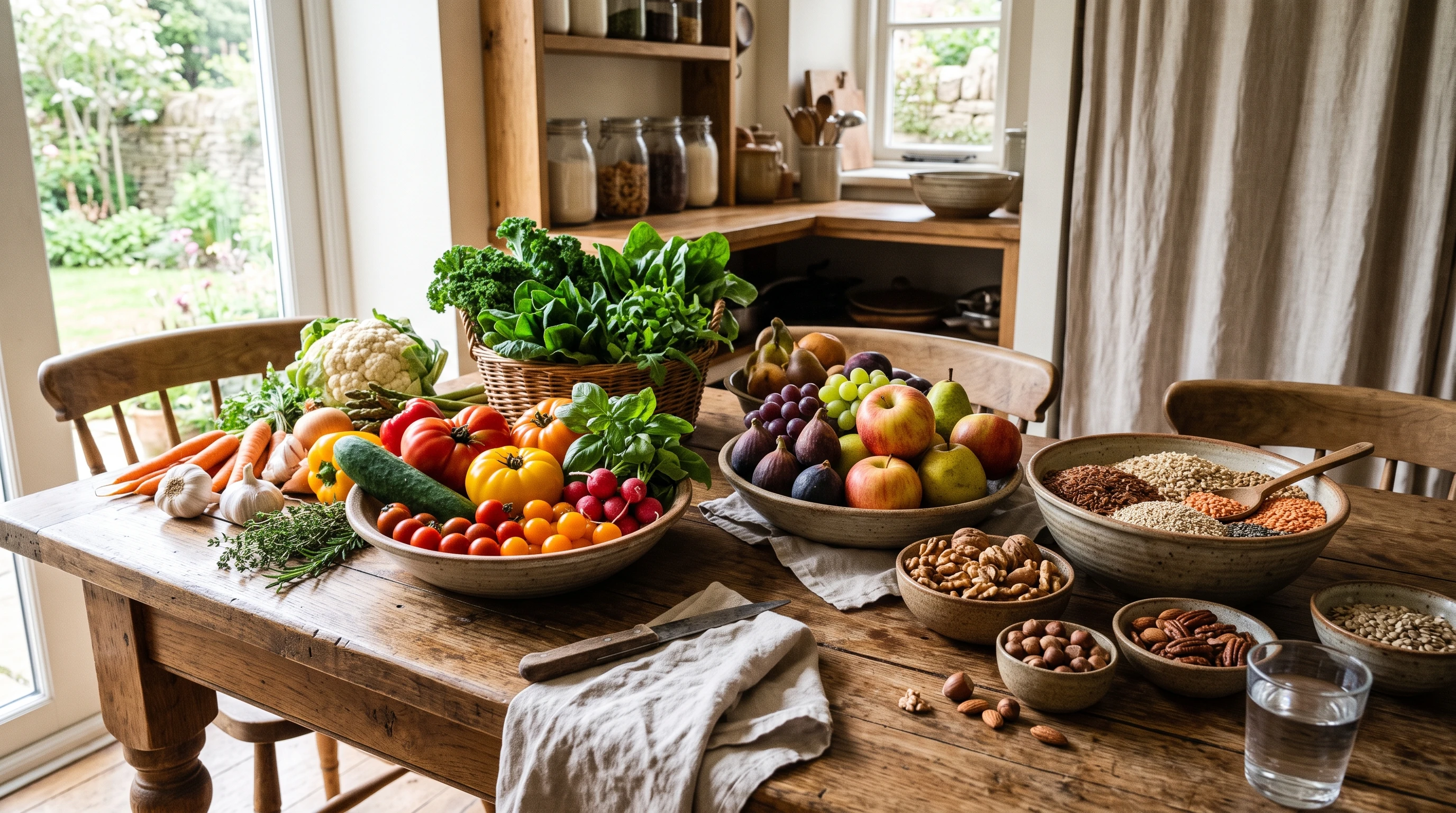
Why Eating Like Our Ancestors Just Makes Sense
The basic idea behind eating like our ancestors is super simple: our bodies evolved over a really long time to eat foods that come straight from nature. This means animals,plants and other unprocessed foods that don’t have a long list of ingredients you can’t pronounce.
For most of human history, processed and ultra processed foods didn’t even exist. Modern gadgets and food science only came around in the last couple of centuries, but our bodies haven’t changed much since those earlier days. What we eat now often clashes with how our bodies are wired. When I started removing packaged snacks and boxed meals from my daily routine, I noticed I had more energy, less brain fog and I didn’t need caffeine just to wake up in the morning.
Whole foods are packed with fibre, vitamins, minerals, healthy fats, and natural sugars in amounts our bodies understand how to handle. On the flip side, ultra processed foods tend to be loaded with added sugars, refined oils, salt, fake flavours, and preservatives. Eating too many of these can mess with blood sugar, zap your energy, cause mood swings, and throw your metabolism into chaos, leading to all manner of health issues.
How Our Bodies Evolved to Eat Real Food
Think about our ancestors wandering the planet, gathering berries, digging up roots, and occasionally scoring a big meal after a hunt. They weren’t crunching on crisps or sipping soda. Their plates were filled with whatever was natural and available. Over thousands of years, our digestive systems and metabolism grew to thrive on that kind of nutrition. Our gut bacteria, the enzymes our pancreas pumps out, and even our taste buds are all shaped by generations of eating real food.
I find it fascinating that when I eat foods that are as close to the source as possible, like fresh veggies, wild caught fish, or fruit plucked straight from a tree, I actually feel more satisfied. Science backs this up, too. Studies point out that eating whole foods can lower inflammation, make it easier to manage weight, and reduce the risk of long term health problems. I found this to be true myself. I had developed polymyalgia rheumatica, a painful condition where the joints ache and fatigue kicks in due to inflammation in the body. By removing ultra processed foods from my diet and replacing them with real whole foods I have got rid of all my polymyalgia rheumatica symptoms and now feel in rude health.
Our needs for fibre, certain amino acids, and even good fats all come from our evolutionary adaptations. Refined sugars and hydrogenated oils confuse this system, making it a whole lot easier to overeat and harder for our bodies to signal when we’re actually full.
Food Groups to Focus On For Real Nourishment
The real magic comes from focusing on a handful of food groups that gave our ancestors everything they needed to survive and thrive. Here’s what I aim for in my meals to keep things as close to an ancestral diet as possible:
- Vegetables: Root veg like carrots and sweet potatoes, leafy greens such as spinach and kale, and cruciferous vegetables like broccoli. Super filling and loaded with fibre.
- Fruits: Think fresh, local, and seasonal. Apples, berries, stone fruits, and citrus are all packed with natural sugars, antioxidants, and vitamins.
- Animal Proteins: Grass fed beef, pasteurised chicken, wild caught fish, eggs, and even organ meats. These foods deliver complete proteins and some hard to get nutrients (like B12).
- Nuts and Seeds: Almonds, walnuts, pumpkin seeds, and chia seeds are awesome for minerals, protein, and healthy fats, with zero weird additives.
- Healthy Fats: Extra virgin olive oil, avocado, ghee, and even the natural fats that come from real animal foods. These help keep you full and nourish your brain.
- Whole Grains (if they agree with you): Things like quinoa, brown rice, and steel cut oats. Choose what makes you feel good—some people handle grains better than others. I am not so good with them but you may be absolutely fine with these in your diet.
- Legumes: Beans, lentils, and peas can be super useful for fibre and protein, especially in plant based diets.
Pretty much, if it grows, swims, or roams, and hasn’t been broken down and reassembled in a factory, it’s worth having on your plate. You’ll probably notice over time how much more energised and full you feel after a meal filled with these choices compared to something packaged.
Making the Move Away From Processed Foods
I get it, we all live busy lives, and convenience foods are everywhere. Making a big switch away from processed and ultra processed stuff doesn’t have to happen overnight. It’s not about feeling guilty for eating a granola bar or reaching for the occasional takeout. What really matters is where most of your calories come from, day in and day out.
You could start by swapping one meal a day for a fully whole food option. Overnight oats with fruit and nuts in the morning, for example, instead of sugary cereal. Or prepping a big salad with grilled chicken instead of a sandwich full of deli meats. Small changes like these stack up fast, and after a while, your taste buds adjust and cravings for junk food drop off.
The cool thing about eating real food is that it usually fills you up better and keeps your energy steady. You don’t get the sugar crashes or the greasy, heavy feeling processed foods leave behind.
Common Hurdles and How to Work Around Them
Switching up eating habits can be challenging, especially with limited time, a tight budget, or picky eaters in the house. Here are some things that helped me and might make it easier for you too:
- Planning and Prepping: When real foods are already chopped, cooked, or portioned out, it’s way easier to reach for them when hunger hits.
- Shopping the Perimeter: Most grocery stores tuck whole foods like produce, meat, and dairy around the edges. Stick to the perimeter and skip the centre aisles packed with processed items.
- Batch Cooking: Making a big pot of soup, roasting veggies, or grilling proteins ahead of time means quick meals with less effort all week.
- Stocking the Right Snacks: Things like hard boiled eggs, fruit, veggie sticks, or mixed nuts make ditching vending machine snacks much easier.
Some people also run into issues with cost. It does feel like fresh food costs more upfront, but skipping processed snacks, sodas, and packaged meals can balance things out over a month. Farmer’s markets and bulk bins are great places to find good deals, and even frozen veggies and fruits are a solid backup for staying on track.
Vegetable Variety
One trick I keep coming back to is mixing up the types of vegetables I eat. Trying new things like turnips or rainbow coloured carrots not only keeps meals interesting but also packs in a wider range of nutrients. If you’re bored with one, there’s always another worth checking out. Sometimes I’ll even toss together a bunch of leftover vegetables for a quick stir fry. For example, combining cauliflower, bell peppers, and snap peas adds natural crunch and colour without much extra time or effort.
Protein on the Go
Having hard boiled eggs, jerky (watch for added sugar!), or even some precooked chicken bites stashed in the fridge means I can have real protein in a flash, whether it’s between meetings or for an after workout snack. Simple, real food doesn’t have a lot of fuss; just fill up and move on.
Healthy Fats For Staying Satisfied
Fats give meals staying power. I’ll add avocado slices, a drizzle of olive oil, or a handful of nuts to just about anything to help keep me full and my energy humming along. For a long time, I worried about fat in my food, but as long as it’s naturally occurring and unrefined, it’s really good for keeping cravings in check. And it’s a fact that we can live without carbohydrates, but we can’t live without fats and protein. Add some seeds to a salad or use tahini as a dressing base for another flavour boost.
Frequently Asked Questions
Some of the questions I hear a lot when friends or family ask about eating like our ancestors:
What’s the fastest way to start eating fewer processed foods?
Start with small swaps: replace one processed meal or snack with a whole food option, and gradually build from there. Even small changes can make a big difference over time.
Is eating this way expensive?
Fresh food can feel more costly, but cutting out packaged snacks, sodas, and takeaway meals usually offsets the price. Planning meals and buying in bulk can help, too.
Can I still have treats?
Totally—it’s about balance, not perfection. Enjoy treats occasionally, but try to keep your daily meals based around real, whole foods.
Why It’s Worth Trying the Ancestral Way
Getting back to basics with food is honestly one of the most practical things you can do for your health. You get more stable energy, fewer cravings for snacks, better digestion, and overall you just feel a lot better. It’s not about being on a “diet”; it’s about tuning in to what your body actually needs and giving it the types of food it was designed to eat.
Even if you only make a few changes, swapping out processed stuff for real, whole foods does a lot for your mind and body. It’s a simple, powerful switch that anyone can try, even in small steps. The big bonus: you may find you start to crave these fresh foods more and more, and that’s an easy, enjoyable way to build a healthy eating style for life.