
If you want to feel your best and get the most out of your meals, eating a nutrient dense diet is a reliable way to go. My own experience has shown me that the more I focus on real, whole foods, the more energy and well-being I enjoy throughout the day. A nutrient dense diet isn’t about cutting calories or following the latest trend. It’s about fuelling your body with foods that offer the biggest nutritional “bang for your buck” so you get plenty of vitamins, minerals, and other health-supporting compounds in every bite.
What Makes a Diet Nutrient Dense?
Nutrient dense foods are those that give me a lot of nutrients for their calorie content. This means these foods are packed with vitamins, minerals, fibre, and healthy fats, while being low in added sugars, processed ingredients, and empty calories. For example, a bowl of leafy greens, a piece of salmon, or a handful of nuts each provides essential nutrients my body needs without a lot of extra fillers or sugars. When I fill my meals with foods like these, I find it easier to meet my daily nutrient needs without overdoing it on calories or processed foods.
Real, Whole Foods: The Building Blocks
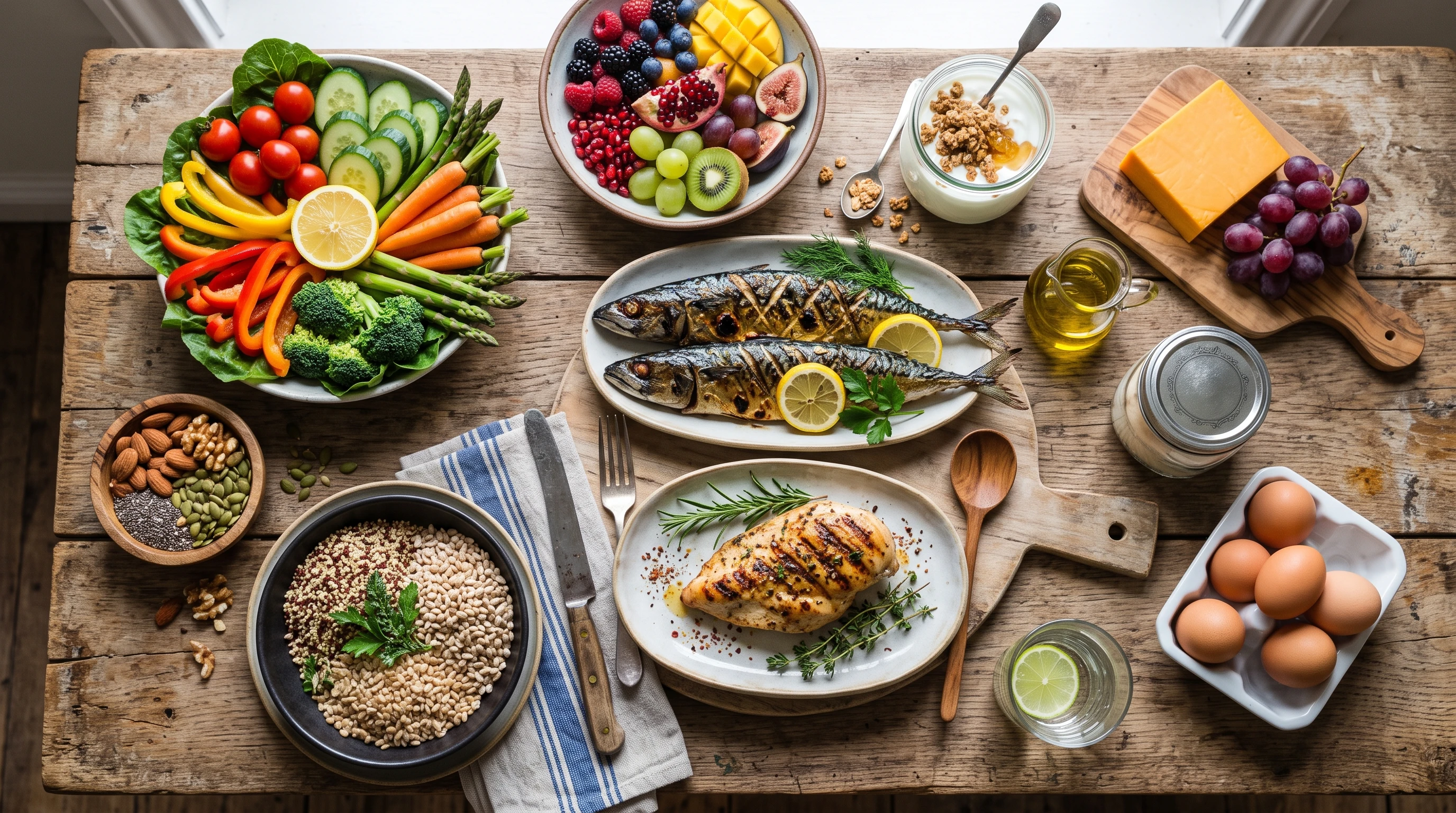
In my experience, nutrient dense eating starts with choosing real, whole foods as the foundation of my diet. These are foods that look as close to their natural state as possible, with little or no processing. Here are the main food groups I rely on for the most nutrition per serving:
- Meat, Fish, and Seafood: Great sources of protein, iron, zinc, vitamin B12, and omega 3 fats (especially in seafood).
- Vegetables: Leafy greens, broccoli, carrots, sweet potatoes, and peppers are all packed with vitamins, minerals, antioxidants, and fibre.
- Fruits: Berries, citrus, apples, bananas, and melons give me vitamin C, potassium, fibre, and plenty of flavour.
- Whole Grains: Oats, brown rice, quinoa, whole wheat, and barley deliver fibre, B vitamins, magnesium, and slow-burning energy.
- Eggs: Contain protein, healthy fats, choline, vitamin D, and a whole range of micronutrients.
- Cheese and Greek Yoghurt: These dairy options provide calcium, protein, probiotics, and healthy fats.
- Fermented Foods: Foods like sauerkraut, kimchi, kefir, miso, and tempeh help with gut health because of their beneficial bacteria.
- Nuts and Seeds: Almonds, chia seeds, walnuts, flaxseeds, and pumpkin seeds are small but packed with healthy fats, protein, fibre, and minerals.
When I focus on building my meals around these foods, I notice better digestion, longer-lasting energy, and fewer cravings for sweets or snacks.
Practical Steps to Make Your Diet More Nutrient Dense
Getting started with a nutrient dense diet doesn’t mean you need to overhaul everything at once. Here are the steps I take to keep things simple and sustainable:
- Choose Whole Foods Most of the Time: I focus my shopping list on produce, whole grains, quality proteins (like chicken, fish, eggs), and minimally processed dairy.
- Limit Processed Foods: While it’s fine to have treats now and then, I keep heavily processed foods (like crisps, cookies, and sugary breakfast cereals) to a minimum. Even “diet” or “low-fat” snacks usually offer fewer nutrients.
- Fill Half My Plate With Vegetables: This helps me get plenty of fibre, antioxidants, and key vitamins like A and C. I aim for a mix of colours to cover a range of nutrients.
- Eat a Variety of Proteins: Swapping between beef, fish, chicken, eggs, tofu, legumes, and dairy helps me get different nutrient profiles. Fatty fish like salmon, sardines, or mackerel are especially good for omega 3’s.
- Snack on Nuts, Seeds, or Fruit: Instead of going for processed snacks, I reach for nuts, a boiled egg, or fresh fruit. These keep hunger in check and add healthy fats and fibre to my diet.
- Try Fermented Foods: Adding a small side of kimchi, sauerkraut, or unsweetened Greek yoghurt can give my gut a boost through probiotics.
- Drink Water, Not Sugar: I choose water, sparkling water, or herbal teas over soda or energy drinks. Sugary drinks add empty calories and don’t provide real nutrition.
Common Barriers and How to Handle Them
I find that moving toward a more nutrient dense way of eating sometimes comes with a few common problems. These are real issues I’ve faced, along with some simple solutions:
- Feeling Overwhelmed by Food Prep: I plan a few meals ahead and prep ingredients in batches, like chopping veggies, boiling eggs, or roasting chicken. Having healthy foods ready to go makes it easier to stick with my goals.
- Budget Concerns: While some nutrient dense foods (like wild fish or organic meats) can be pricey, staples like beans, oats, frozen vegetables, and in season produce are often affordable. I buy in bulk where I can, or shop for sales.
- Craving Sweets or Processed Foods: If I still crave sweets, I have fruit or dark chocolate. Roasted nuts or Greek yoghurt also help me feel satisfied, so cravings don’t stick around as long.
- Eating Out or at Social Events: I focus on choosing dishes with simple, whole food ingredients where possible, like salads with grilled chicken, steamed fish with veggies, or a hearty omelette. I ask for dressings or sauces on the side so I can control how much I use.
Nutrient Dense Foods for Special Diets
If you eat vegetarian, vegan, or have food allergies, it’s important to find the options that fit your needs. For example, you can switch out animal products for beans, lentils, tofu, or nuts. Fortified plant milks can also help provide B12 or calcium. For gluten free diets, whole grain options like quinoa or brown rice work well.
Quality Over Quantity
Instead of worrying about portion size or counting calories, I focus on the quality of the foods I put on my plate. When I fill my meals with foods packed with nutrients, I feel satisfied more quickly and stay fuller longer. This naturally keeps my portions in a healthy range without needing to measure or restrict everything.
Cool Ways to Boost Your Diet’s Nutrient Density
Over time, I’ve found lots of simple and tasty tricks to squeeze more nutrition into each meal. By experimenting with meal ideas and trying new recipes, nutrient dense eating can stay fun and colourful. Here are a few ideas that work well for me:
- Add Greens to Smoothies: Tossing in a handful of spinach or kale to morning smoothies ups the vitamin and mineral content without changing the flavour much.
- Swap White Bread for Whole Grain: Choosing whole wheat or seeded breads gives more fibre and micronutrients.
- Mix Up Protein Sources: Rotating between animal and plant proteins keeps things interesting and offers different nutrients.
- Top Meals with Seeds: Sprinkling flaxseed, chia seeds, or pumpkin seeds on yoghurt, cereal, or salads is a super easy way to add omega 3’s, fibre, and minerals.
- Roast a Tray of Veggies: Roasting brings out the natural sweetness and crunch of vegetables like carrots, broccoli, and sweet potatoes. It’s easy to do ahead for meal prep, and you can store roasted veggies in the fridge for quick meals later in the week.
- Double Up on Vegetables: When making soups, stews, or casseroles, I toss in extra veggies like zucchini, cauliflower, or bell peppers. This pumps up the fibre, vitamins, and texture in every bite.
- Try New Flavours: Using fresh herbs, spices, and a squeeze of lemon can make simple foods taste special and add antioxidants, too. Turmeric, ginger, basil, oregano, and cilantro are some easy favourites to sprinkle over meals for extra health perks.
Popular Questions About Eating a Nutrient Dense Diet
These are a few questions I often hear from friends who want to start eating this way:
Question: Do I have to give up all treats or fun foods?
Answer: No way. You can still enjoy dessert or pizza now and then. Just keep most of your diet focused on foods that actually help you feel your best. It’s all about balance, not restriction.
Question: How do I know if a food is nutrient dense?
Answer: Foods that are minimally processed, vibrantly coloured (like leafy greens, berries, sweet potatoes), and close to their natural state tend to be most nutrient dense. Checking nutrition labels for fibre, protein, and vitamin content can also help.
Question: Is this way of eating suitable for kids or older adults?
Answer: Yes, nutrient dense foods support health at all life stages. For young kids or seniors, I sometimes adjust portion sizes, make foods easier to chew, or focus on favourite flavours within the main food groups. Whatever the age, making meals visually appealing and including family favourites helps everyone eat better together.
Why a Nutrient Dense Diet Works in the Real World
When I made the switch up to a nutrient dense diet, I noticed my energy levels improved, cravings went down, and my overall health benefited. Friends and family have experienced similar changes, and it’s motivating to share meal ideas or new recipes. This isn’t just about nutrition on paper. It’s a way to support better immunity, more stable moods, and feeling strong throughout life’s busy demands. When I prepare most of my meals at home and focus on those real, whole foods, eating healthy stops feeling complicated and just becomes routine.
Sticking with these steps, I keep things simple and sustainable, and I rarely have to stress about my nutrition. For anyone interested in getting more out of their diet, focusing on nutrient dense foods is a straightforward place to start. Planning meals, keeping healthy snacks on hand, and sharing meals with family or friends can make the shift even easier. Good luck!