
If you’ve ever reached for crisps, cookies, or soda even when you’re not especially hungry, you’re definitely not alone. Ultra processed foods (UPF’s) are everywhere, and they’re designed to make you crave more, even after you’ve already had plenty. These aren’t just your simple snacks; they’re foods loaded with sweeteners, fats, additives, and rarely offer much real nutrition. Today, I’m digging into whether ultra processed foods are addictive and why they’re so tough to resist, plus giving you some fresh info and real-life tips to help break the cycle.
What Makes a Food “Ultra Processed”?
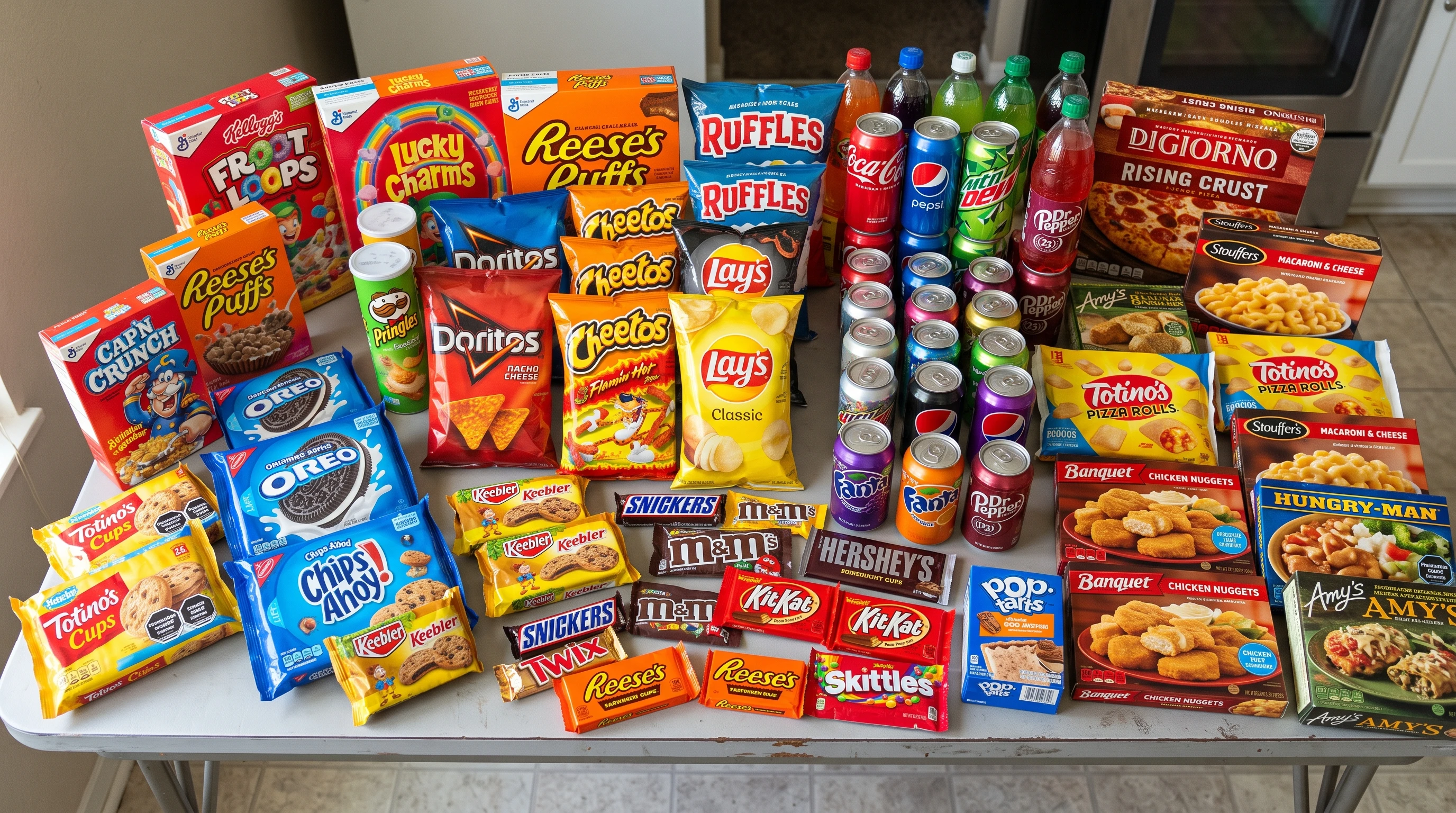
Ultra processed foods go further than being merely convenient or long lasting. Manufacturers mix together sugars, fats, refined grains, salt, chemical flavourings, and all sorts of additives that rarely show up in home kitchens. Think crisps, cakes, cookies, sodas, and even a surprising number of cereals and frozen meals.
These ingredients go through many stages of processing to make the final product taste and feel just right, stay fresh on shelves, and trigger a strong “got to have it again” reaction.
How Ultra Processed Foods are Made to Be Addictive
UPF’s aren’t tasty by accident. Big food companies spend lots of money researching how to make their snacks hit the most tempting combination of salty, sweet, and fatty. Here’s how they keep you coming back for more:
- Bliss Point Engineering: Food scientists figure out the ideal amount of sugar, salt, and fat that lights up our brains. This “bliss point” makes food taste amazing almost instantly, giving you a happy feeling that keeps you reaching for more.
- Irresistible Textures: Crisps with a perfect crunch, creamy fillings, and soft pastries are engineered for immediate pleasure. These textures make UPF’s fun to eat, usually requiring less chewing, which means you can eat fast, leading you to eat far more than is good for you and your waistline.
- Added Flavours and Scents: Artificial and “natural” flavourings are mixed in to mimic or punch up real tastes. These can overpower your natural fullness signals because the variety and intensity of flavours are so attention-grabbing.
- Convenient Packaging: UPF’s are sold in bags, boxes, and wrappers designed for quick, mindless snacking. You rarely have to cook—just grab, eat, and go.
The goal is to keep you buying more, not just to tide you over between meals. This intentional design goes a long way in explaining why it feels so hard to stop eating ultra processed foods once you start.
Why You’re Hungry Again After Eating Ultra Processed Foods
Ever finished a family-size bag of snacks, only to feel hungry or unsatisfied shortly after? Ultra processed foods are missing important nutrients, fibre, and protein—basically all the stuff that genuinely makes you feel full and satisfied.
Here’s why that’s a problem:
- Low Nutrition Density: UPF’s are packed with calories but not the vitamins, minerals, and nutrients your body truly needs to feel satisfied.
- Fast Digesting Ingredients: Refined sugars and starches spike your blood sugar for a brief time but are digested quickly. After the fast crash, you’re likely to feel hungry again in no time.
- No Fibre or Protein: Your body uses fibre and protein to slow down digestion and increase fullness. Most UPF’s lack these, so satiety is short-lived.
This cycle keeps you eating more. The next time you reach for crisps or cookies, remember: it’s not just a willpower problem—these foods are built to make you come back for more, fast.
How Ultra Processed Foods Affect Your Brain
The “hook” lies in brain chemistry. When we eat ultra processed foods, particularly those high in sugar and fat, our brains get a rush of dopamine—the “feel good” chemical. This same system is involved in habits and addictions, like gambling or certain substances, only on a milder scale.
Studies have clearly shown that people crave UPF’s even when they’re not hungry, and even knowing they won’t feel great afterwards.
- Conditioned Eating: If you munch on cookies when feeling bored, stressed, or sad, you begin linking those foods with emotional relief. This pattern gets set over time, locking in the habit.
- Pleasure Without Fullness: Dopamine gives you that brief feel-good rush, but your stomach never gets the message. So, you keep eating to continue that pleasure high.
How Addictive Are Ultra Processed Foods, Really?
Doctors and scientists still debate whether UPF’s are addictive in the same way as substances like nicotine or alcohol. What’s clear: the patterns of craving, eating quickly, and rapid hunger return can feel a lot like other forms of dependence and habit.
Some people truly grapple with cutting out UPF’s, even with repeated effort., and that’s no surprise. This pattern fits many features of addiction: intense cravings, loss of control, needing more for the same pleasure, and feeling lousy (irritable, headache, etc.) when trying to quit.
Still, most experts agree that while not every person becomes “addicted,” UPF’s are created to mess with your brain’s pleasure system, in ways that whole foods never do.
What To Watch Out For: Common Signs Of Over Reliance On Ultra Processed Foods
- You have intense cravings for packaged snacks, soda, or fast food almost every day.
- You eat UPF’s even when you aren’t hungry or are already full.
- Quitting or even cutting back UPF’s makes you feel moody, tired, or tense.
- You rarely stop after just one serving.
- You keep going back to these foods, despite knowing they’re not helping you feel your best.
Enjoying these foods occasionally is pretty normal, but noticing these patterns a lot could mean it’s time to reconsider your habits and look for healthier alternatives.
Tips for Breaking the Cycle: Finding Freedom From Ultra Processed Foods
Stepping out of the UPF loop requires a bit of patience, plus a willingness to try new strategies:
- Switch Out Snacks: Keep real food snacks around—think fruit, nuts, cheese, or yogurt. That way, when cravings hit, you’ve got solid options to grab instead.
- Get and Stay Full: Make meals that include protein and fibre, such as beans, eggs, or wholesome grains. Feeling satisfied longer means you’re less likely to chase the quick pleasure of UPF’s.
- Track Your Triggers: Try to notice if you snack to stall boredom or stress. A lot of the time, your craving isn’t about food at all but about wanting distraction or comfort.
- Change Up Your Environment: Stop keeping UPF’s at home or at work if you can. If they’re not staring at you from wherever you are, you’re less likely to cave in to your cravings.
These aren’t magic fixes, but they really help disrupt the dopamine habit cycle, making UPF’s far easier to cut back on over time.
Frequently Asked Questions
Are there any ultra processed foods that are OK to eat?
Most people eat UPF’s from time to time without any real issue. The bigger problem kicks in when they start taking the place of more nutritious foods or become an everyday habit. Eating UPF’s occasionally rarely causes trouble for generally healthy adults.
What’s the difference between processed and ultra processed foods?
Processed foods include things like canned beans or cheese. These are still similar to their original form but might have a bit of added salt or preservatives. Ultra processed foods are way more altered, with extra long ingredient lists and very little real, whole food left inside.
Do all people react the same way to ultra processed foods?
Nope. Your habits, genetics, and even your social circle matter. Many of us can enjoy a handful of crisps and that’s it. For others, it’s tough to stop once they start—everyone’s brain and body is a little different.
Ultra processed foods surround us, purposely engineered to tempt and hook us. Food companies use everything from clever chemistry to attention-grabbing ads to keep you coming back for more, which can affect your health if you don’t watch out. Keeping wholesome options nearby, being aware of what drives your cravings, and understanding these foods’ inner workings can make a real difference if you want to eat better and feel your best for the long haul. Knowledge is power! Think before you eat.