
Arthritis is one of those things that can really get in the way of daily life, often making simple tasks feel tough because of swelling, pain, and stiffness in the joints. But there are various diets that claim to help with pain and inflammation. The so called anti inflammatory diet is one, but it’s worth checking out a bit more to find out if this eating approach is really good for arthritis and what these types of foods can do for your joints.
Understanding the Anti Inflammatory Diet
The anti inflammatory diet is pretty straightforward. It focuses on eating foods that help tone down inflammation in the body, while cutting back on ones that can make inflammation worse. For someone with arthritis, this sort of diet might be handy since inflammation is a big part of the pain and stiffness that comes with the condition.
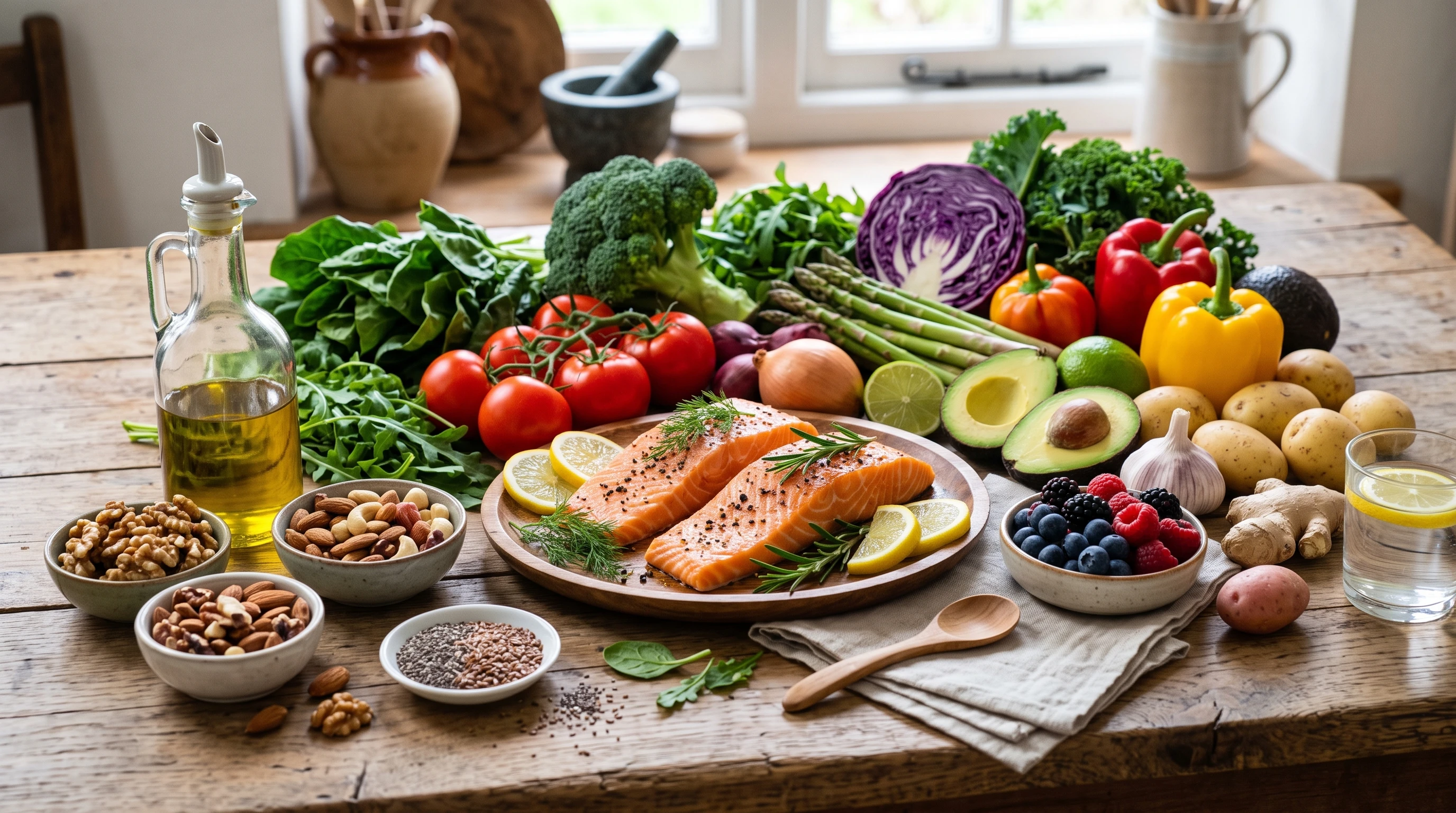
An anti inflammatory diet usually features plenty of fruit and vegetables, whole grains, oily fish (like salmon, mackerel, and sardines), nuts, seeds, olive oil, and moderate amounts of protein like chicken or turkey. There’s a focus on fibre rich foods, colourful vegetables, and healthy fats. Highly processed foods, sugary treats, and refined carbs are usually limited because they may trigger inflammation in some people.
This isn’t a “diet” in the traditional sense; it’s more about long term eating patterns than calorie counting or strict meal plans. It shares a lot in common with the Mediterranean diet, which research has linked to better heart health and potentially less joint pain for arthritis sufferers.
Why Inflammation Matters If You Have Arthritis
When talking about arthritis, inflammation is the main cause of those annoying symptoms like pain, heat, swelling, and stiffness. Sometimes inflammation is helpful, such as when your body repairs an injury. But with arthritis, inflammation in the joints sticks around for too long, which damages tissues and makes symptoms worse.
Easing inflammation is a big goal for managing arthritis, whether that means using medication or making lifestyle changes. The idea is that if you eat foods that lower general inflammation, you might see less swelling and pain in your joints, making it easier to move and to do day-to-day things. Extra steps like gentle stretching, warm baths, and regular walking may help give a boost to these results too.
How the Anti Inflammatory Diet Could Help With Arthritis
There’s growing evidence showing a link between eating patterns and the amount of inflammation in the body. This means that swapping out processed snacks for a colourful salad or oily fish could be a step toward feeling better. Here’s how these foods make a difference:
- Fruits and Vegetables: Packed with antioxidants and phytonutrients, which help the body fight off inflammation.
- Oily Fish: Full of omega 3 fatty acids, which are well known to help lower certain chemicals in the body linked to inflammation and joint pain.
- Nuts and Seeds: Offer good fats and fibre, both believed to lower inflammation levels.
- Whole grains: Unlike refined grains, they have more fibre and nutrients, which help keep inflammation in check.
- Olive Oil: Contains a compound called oleocanthal, with give effects similar to anti inflammatory medication according to some studies.
By regularly including these foods, people can help tip the scales towards less inflammation. Even small changes, such as swapping vegetable oil for olive oil or eating a handful of walnuts instead of crisps, can add up over time.
The anti inflammatory diet also encourages more home cooked meals and less reliance on packaged foods, which are often high in unhealthy fats, processed foods and added sugar. Over time, this can help maintain a healthy weight, putting less stress on the joints and making arthritis easier to manage.
How Quickly Can Someone Expect to Feel Results?
The answer is that it can vary a lot from person to person. Some people begin to notice small improvements in joint stiffness and general comfort after a few weeks of sticking to an anti inflammatory diet. For others, it’s a slower process that might take a few months before they notice the positive changes.
Scientific research suggests that it usually takes at least a few weeks for dietary patterns to start having a noticeable effect on inflammation markers in the body. This is different from taking a painkiller where results are almost immediate. It’s more of a long game, where steady, consistent changes bring about the best results. Keeping a food diary and tracking symptoms can be really useful, as it helps people see progress that might otherwise be easy to miss. If symptoms are severe, working with a dietitian or nutritionist can provide personalised tips for long term success.
Main Foods to Eat and Foods to Limit
Figuring out what goes on the grocery list is a good place to start for anyone interested in the anti inflammatory diet. While there’s no one size fits all, most basic guidelines look something like this:
- Eat More Of: Leafy greens, berries, tomatoes, peppers, onions, broccoli, carrots, aubergine, oily fish (such as salmon, mackerel, and trout), beans, lentils, nuts (walnuts, almonds), seeds (chia, flaxseed, pumpkin), extra virgin olive oil, and whole grains (oats, brown rice, barley, quinoa).
- Eat Less Of: Processed deli meats, fried and fast foods, sugary snacks, white bread, chips, crisps, cakes, and ready meals high in sugar and salt.
Herbs and spices like turmeric and ginger are also popular picks for their antioxidant properties, and they can be added to meals pretty easily. Experimenting with fresh herbs, garlic, and spices can liven up dishes and make healthy eating more appealing. Homemade soups and salads, colourful stir fries, and roasted vegetables are all excellent choices for variety and taste.
Common Questions About the Anti Inflammatory Diet and Arthritis
A lot of people have the same questions when they’re first looking at changing their diet for arthritis. Here are a few that come up most often:
Question: Is there proof that this kind of diet helps with arthritis symptoms?
Answer: Recent studies have found that diets high in fruit, vegetables, and oily fish tend to lower inflammation in the body. The Mediterranean and anti inflammatory diets have been linked to less pain and better physical function for people with both osteoarthritis and rheumatoid arthritis, although diet changes are usually most helpful alongside prescribed medication and exercise. It’s important for each person to find what combination works best for them by keeping up with recommended treatments as well as good nutrition.
Question: Are there any risks with following an anti inflammatory diet?
Answer: For most people, moving towards these foods is safe and can even bring benefits beyond arthritis, like healthier cholesterol and lower blood pressure. People with food allergies (for example, to fish or nuts) or certain medical conditions should ask their GP or a dietitian before making major changes.
Question: Is this diet suitable for people with all types of arthritis?
Answer: While the anti inflammatory diet is especially useful for those with inflammatory types of arthritis (like rheumatoid arthritis and psoriatic arthritis), people with more common forms like osteoarthritis may still notice benefits. Everyone is different, so tracking what works helps find the best approach for each individual. Small changes can have a big impact over several months.
Tips to Start an Anti Inflammatory Diet
Getting going with new eating habits doesn’t need to be overwhelming. Here are some practical tips for anyone thinking about trying the anti inflammatory diet for arthritis:
- Begin by adding one extra serving of fruit or vegetables to your meals each day.
- Swap out white bread or pasta for whole grain options at lunch or dinner.
- Try eating oily fish twice a week, such as salmon or sardines on toast.
- Use olive oil instead of mayo or vegetable oil for salad dressings and roasting vegetables.
- Add nuts or seeds to porridge, salads, or plain yoghurt for a mild, crunchy upgrade.
- Experiment with herbs and spices; turmeric and ginger can go well with curries, stir fries, or teas.
- Plan meals ahead using online recipes or cookbooks focused on Mediterranean or anti inflammatory themes.
It’s the small, regular tweaks in daily meals that make the most difference over time. Meal planning ahead and shopping with a list based around these foods can really help. Joining local support groups or connecting with others online can also keep motivation high and make changes easier to manage.
Practical Considerations and Real World Hurdles
Some people worry that healthy foods are expensive or that it takes ages to prepare meals from scratch. Pre chopped vegetables, frozen fruit, and tinned beans or fish can save time and often come at good value from supermarkets. Batch cooking and prepping meals ahead of time can also help when life gets busy.
For those who aren’t big fans of fish, omega 3 supplements (like fish oil or algae oil) may be worth talking about with a GP, especially if it’s tough to get enough through food alone. The anti inflammatory diet isn’t about perfection right away; it’s built on gradual, realistic choices that add up to better long term results. Setting small goals, using shopping lists, and keeping snacks like fruit or nuts on hand can make sticking to it easier.
If you share meals with others at home, encouraging family to get involved can help turn changes into habits. Cooking together, trying new recipes, and swapping tips all support lasting improvements.
Other Lifestyle Factors to Remember
While what people eat can have a big impact, diet alone isn’t the only thing that matters for arthritis. Staying active within comfort levels, looking after stress, and getting enough rest all play a role in managing joint symptoms. Combining a few healthy habits, like gentle exercise, quality sleep, and social connection, often brings the best improvements overall.
Anyone dealing with arthritis could find that adopting an anti inflammatory diet improves their well being and may just help keep joint pain in check. Careful attention to how food and lifestyle changes affect symptoms is handy in finding a routine that fits best.
Bottom line: Building an anti inflammatory diet for arthritis is a marathon, not a sprint. With patience, small steps, and a positive attitude, long term joint comfort is within reach for many people living with arthritis.