
Managing an underactive thyroid, or hypothyroidism, can be tricky, but tweaking your diet is one of the simplest and most natural ways to support better thyroid function. The thyroid uses nutrients from food to make hormones that keep your energy, metabolism, and mood on track. I’ll break down the foods that are ideal for an underactive thyroid, why they matter, and a few practical tips for making the most of these recommendations in your kitchen.
The Role of Nutrition in Thyroid Health
Your thyroid is a small gland at the base of your neck. When it isn’t producing enough hormones, you might feel tired, sluggish, or even cold. Having the right nutrients in your meals can really give your thyroid a boost. Eating a variety of whole foods ensures your body gets a steady supply of vitamins and minerals to keep thyroid function moving in the right direction.
Here are several key nutrients your thyroid loves:
- Iodine: Needed for thyroid hormone production.
- Selenium: Helps convert inactive thyroid hormone to its active form.
- Zinc: Supports hormone creation and regulation.
- Iron: Needed for the thyroid to function properly.
Aim for minimally processed, whole foods. Things like lean meat, fish, eggs, fresh fruits, and fully cooked vegetables are easy to absorb and won’t stress your system.
Whole Foods That Support an Underactive Thyroid
Whole foods are full of the nutrients your thyroid needs to perform its best. Here’s what I usually suggest adding to your shopping list if you want support for your thyroid:
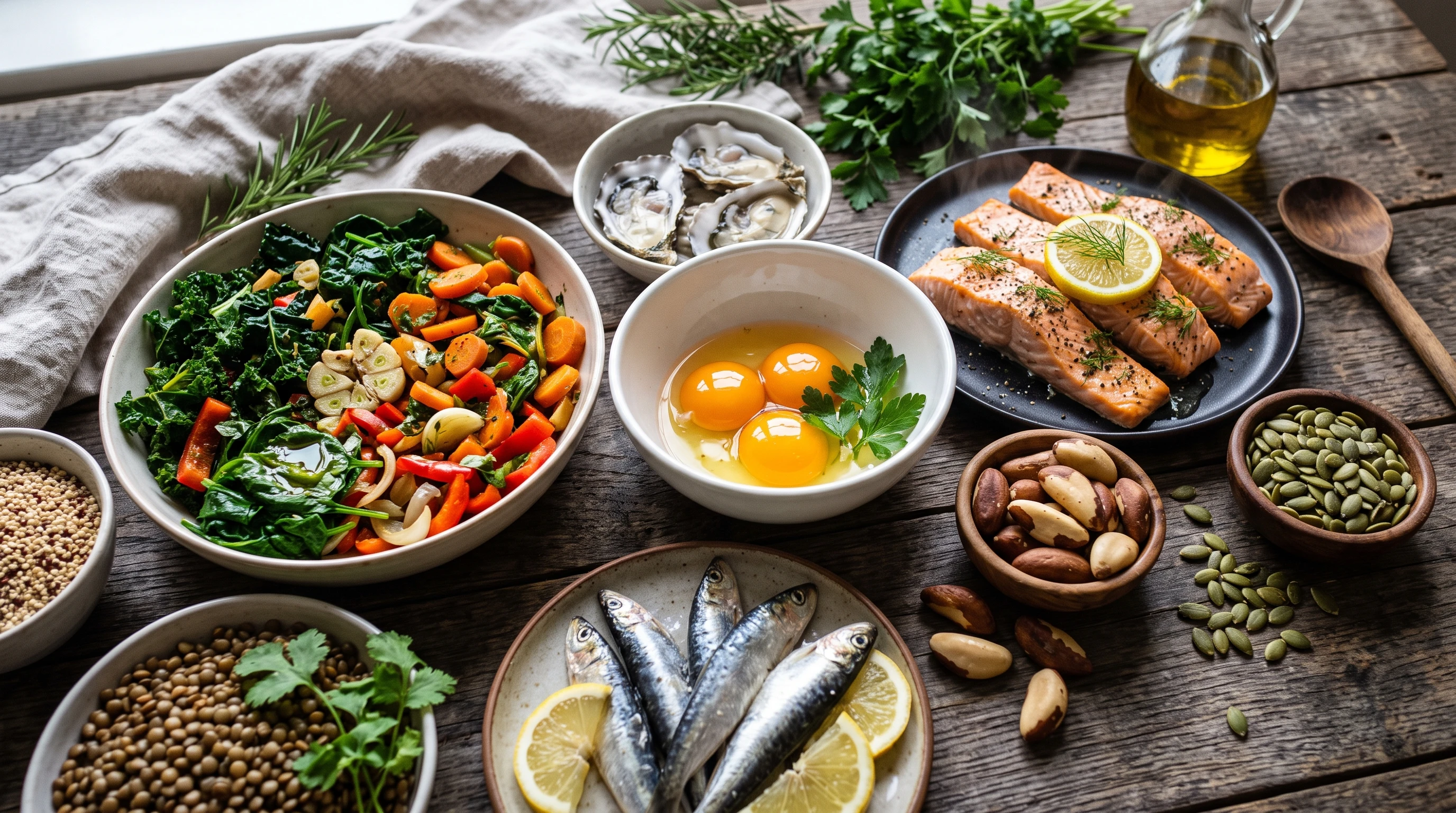
- Seafood and Fish: Salmon, sardines, and shrimp are naturally high in iodine and healthy fats.
- Eggs: These are handy because both the white (protein) and yolk (a good source of selenium, iodine, and vitamin D) benefit your thyroid.
- Nuts and Seeds: Brazil nuts are a convenient way to get more selenium, with just one or two a day meeting your needs. Pumpkin seeds pack in zinc, critical for hormone regulation.
- Lean Meats: Beef, chicken, and turkey provide iron and zinc. Plant-based options like lentils and chickpeas are supportive too, but animal-based iron absorbs better.
- Vegetables (Fully Cooked): Cooking vegetables like broccoli, cauliflower, and spinach makes them easier to digest and lowers the compounds that can slow your thyroid, while still providing great nutrients.
Including these foods regularly can help you feel more energised and balanced. Try rotating options each week to keep your meals interesting and make sure you are covering your nutrient bases.
How Iodine, Selenium, Zinc, and Iron Help Your Thyroid
Getting enough of these four key minerals is essential for people with hypothyroidism. Here’s why each matters and where to find them:
Iodine
Your thyroid can’t make hormones without iodine. If you’re not eating enough, your thyroid might slow down. Using iodized salt in your meals—just a pinch—can make a real difference. Fish, dairy, and seaweed are also solid choices, but remember that moderation is important since too much iodine can affect thyroid health negatively.
Selenium
Selenium acts as a protector for your thyroid. It helps with hormone creation and guards the gland against damage. Snacking on a Brazil nut or two each day is one of the simplest ways to stay on track. Eggs and fish, such as tuna or salmon, are great sources, too.
Zinc
Zinc is involved in converting inactive thyroid hormone into its active form. Easy sources include pumpkin seeds, chickpeas, and cashews. Oysters are famous for their high zinc content, while lentils add a plant-based zinc boost.
Iron
Iron supports the actual creation of thyroid hormones. Lean red meats and poultry are great animal-based sources, while non-meat eaters can focus on cooked lentils, beans, and spinach. If you rely on plant-based iron, eating these foods alongside vitamin C-rich fruits or veggies (like bell peppers or oranges) helps your body soak up more iron.
Why Whole Foods Make a Difference
Whole foods give you more than just the basics. They offer fibres, antioxidants, and plant nutrients that work together to keep your body balanced. Highly processed foods often lack these nutrients and can spike inflammation or cause blood sugar swings, which is tough if you already feel low on energy due to thyroid issues.
Choosing real, single-ingredient foods helps your thyroid get what it needs without added stress. For example, a scrambled egg with spinach or a bowl of vegetable-rich soup packs more thyroid friendly power than any frozen dinner or fast food option.
Foods to Approach Carefully
Certain foods, particularly when eaten in large amounts or raw, can pose problems for people with hypothyroidism. These foods are known as goitrogens and can slow down your thyroid if iodine intake is low. Goitrogen-rich foods include:
- Raw broccoli, kale, and cauliflower
- Soy and soy-based products
- Raw cabbage and bok choy
Cooking these vegetables removes most goitrogens, making them safe to eat. Enjoying a generous helping of cooked broccoli, for instance, is a good way to mix in variety without any worry.
Quick Tips for Building a Thyroid friendly Plate
- Always include a protein source: Eggs, fish, or lean meats can keep energy steady.
- Add fully cooked vegetables: Options like spinach, carrots, sweet potatoes, and courgettes are easy on digestion. Take care to cook cruciferous vegetables well, such as broccoli and cabbage.
- Snack wisely: Keep Brazil nuts, pumpkin seeds, or a boiled egg ready for a simple midday nutrient boost.
- Remember whole grains: Brown rice, oats, and quinoa not only keep you full but also support steady energy, which helps with sluggishness.
- Stick to a meal routine: Consistent meal times help lessen thyroid symptoms and support better energy. Skipping meals can worsen fatigue, so try to establish a pattern that works for you.
If you want to go a step further, plan meals ahead of time and write shopping lists focused on these foods. Meal prepping makes it easier to stick with a thyroid friendly diet all week, even when life gets busy.
Common Questions About Diet and Hypothyroidism
Can I follow a vegetarian or vegan diet if I have an underactive thyroid?
If you’re vegetarian or vegan, getting enough zinc and iron requires some smart planning. Plant sources of these minerals are harder to absorb, so make sure to focus on beans, lentils, cooked leafy greens, nuts, and seeds. You might want to check in with your doctor to see if you need a blood test to monitor your mineral levels.
Do I need to avoid gluten?
If you have celiac disease or a confirmed gluten sensitivity, gluten could be a problem for your thyroid. For everyone else, current evidence doesn’t show a clear need to cut out gluten. Pay attention to how you feel after eating products like bread or pasta, and talk to a dietitian if you have concerns.
How fast will dietary changes help?
Results take time. Expect a few weeks to several months before you notice changes. Food supports thyroid function over the long run, especially when you stick to healthy habits. Stay patient and remember that every small, consistent improvement adds up.
Next Steps and Takeaways
No single food or meal can fix hypothyroidism, but keeping a steady diet of whole foods rich in iodine, selenium, zinc, and iron can make a real difference. Remember to keep meals balanced and include cooked vegetables or clean proteins without hesitation. If you’re not sure about your nutrient levels, a healthcare provider or registered dietitian can order bloodwork or recommend gentle supplements if food alone isn’t enough.
Making simple swaps and including these supportive foods every week is a smart way to help your thyroid, and your whole body, work a little better. Try out different recipes, notice what feels best, and remember: each choice helps you work toward more energy and better well-being in the long run.