
Avocados have earned a strong reputation in the world of good nutrition, showing up everywhere from brunch menus to healthy eating plans. With their creamy texture and mild flavour, it’s not hard to see why someone might want to have one every single day. The big question is whether eating an avocado every day is a good idea, and how it fits into a balanced diet for people.
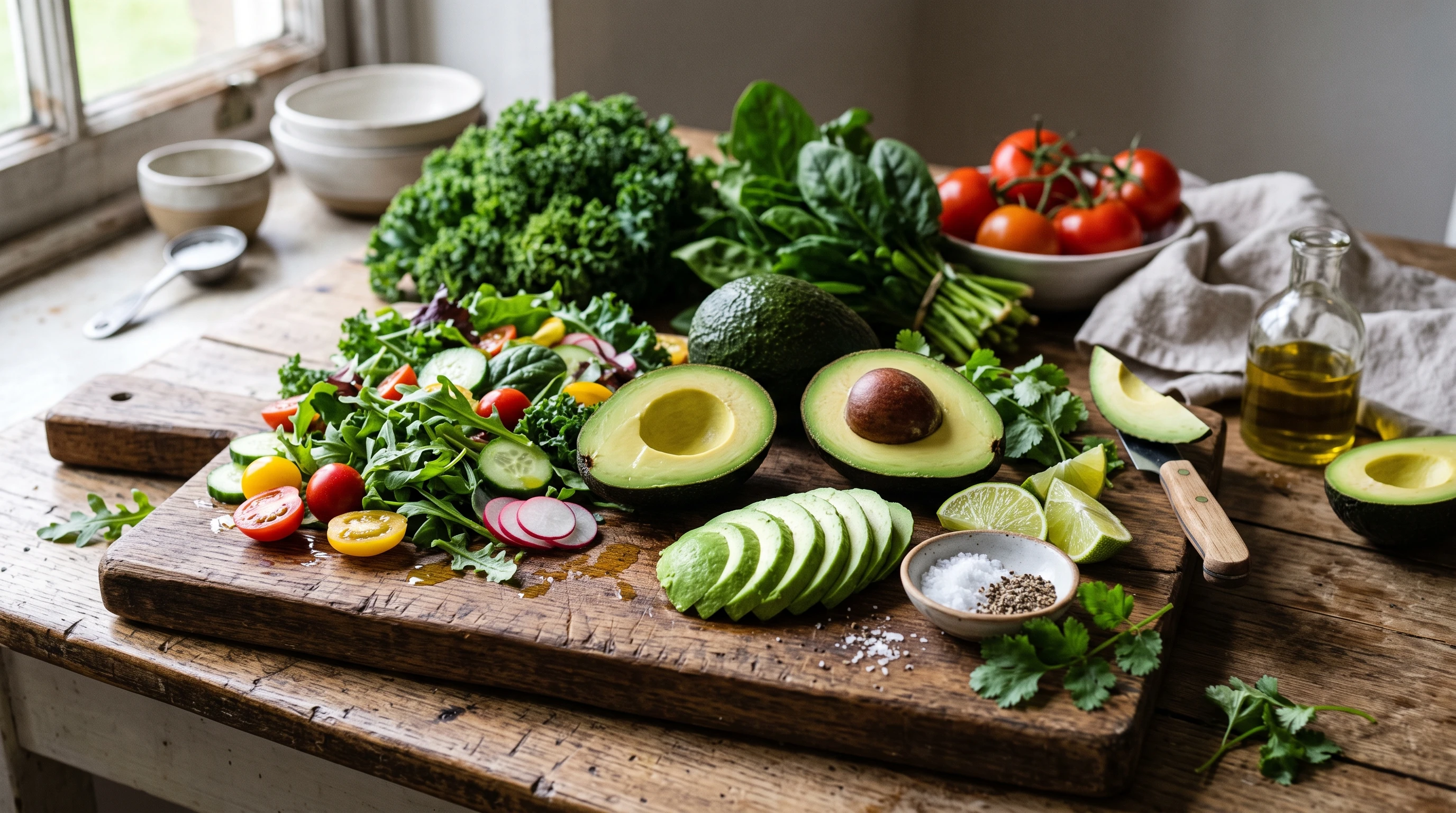
Is It Safe to Eat an Avocado Every Day?
For most people, eating an avocado daily is considered safe and can actually be a pretty healthy habit. Avocados are packed with healthy unsaturated fats, a generous dose of dietary fibre, and plenty of potassium, all of which are important for good health. When enjoyed in sensible portions and as part of a balanced diet, there’s usually no reason to worry about eating one each day.
Those with specific health conditions, such as an allergy to avocados or certain kidney issues that require careful potassium management, should check with a GP before making them a daily staple. But for the general population tucking into an avocado each day is quite safe. As with any food, moderation and variety remain key.
What Makes Avocados Nutritious?
Avocados offer a unique mix of nutrients and beneficial plant compounds. Here’s a quick look at what’s inside a typical avocado:
- Healthy Fats: Most of the fat in avocados is monounsaturated, which is a heart-friendly type of fat. These fats are great for supporting healthy cholesterol levels and may be especially useful for heart health since they replace less healthy fats in the diet.
- Fibre: Avocados are rich in fibre, helping to support good digestion and regular bowel movements. Having enough fibre in the diet can also assist with feeling full, making avocados a handy option for those looking to manage their appetite or maintain a stable energy level throughout the day.
- Potassium: One avocado contains more potassium than a banana, which can help regulate blood pressure by balancing out sodium in the body. Potassium is also essential for healthy nerve and muscle function, adding to the appeal of avocados as a nutritional powerhouse.
- Vitamins and Antioxidants: Avocados are a source of vitamin E, vitamin K, vitamin C, and several B vitamins. They also provide antioxidants like lutein, which is great for eye health and may help protect cells from stress and age-related changes.
Potential Benefits of Eating an Avocado Every Day
Heart Health: With their good fats and potassium, avocados may help keep blood pressure in check as well as cholesterol levels balanced. These factors are important for long-term heart health and can be especially useful in a society where heart disease is a leading concern.
Digestive Support: The high fibre content in avocados helps keep the digestive system running smoothly. For anyone who struggles to get enough fibre from the rest of their diet, avocado is an easy and tasty way to give a boost to overall fibre intake. This can help avoid constipation and promote gut health.
Weight Management: Avocados are filling, so they can help with appetite control. While they are a bit higher in calories than some other fruits and vegetables, their combination of fibre and fat often means people feel satisfied for longer after eating them, making it easier to resist snacking on less healthy options.
Better Nutrient Absorption: Eating avocados alongside other foods, like salads, salsa, or grain bowls, can help the body absorb fat-soluble vitamins, such as A, D, E, and K, from those foods. This means that avocado not only brings nutrition of its own but also steps up the value of other healthy foods you eat with it.
Skin and Eye Health: Thanks to their vitamin E and antioxidants, avocados may support skin health, keeping it soft and protected against everyday environmental damage. The lutein content also helps maintain healthy vision throughout life, especially as we get older.
Any Downsides to Eating Avocado Daily?
While they are nutritious, avocados are dense in calories. One medium avocado has about 230 calories. That’s not an issue if the rest of the day’s meals are balanced, but eating several avocados plus other foods high in fat or calorie dense ingredients could make it difficult to stay within daily energy needs. Keeping an eye on total calorie intake is useful, especially for those trying to manage weight.
Those with a sensitivity or allergy to latex may notice a cross-reaction to avocado, known as latex fruit syndrome. If unusual symptoms like hives or swelling show up after eating avocado, it’s wise to get advice from a doctor. Reactions are rare, but it’s important to be aware of them.
People with kidney problems needing to limit potassium should always check with a healthcare professional. Since avocados are naturally rich in this mineral, too much potassium can be problematic for those with certain kidney conditions.
How Does Avocado Fit Into a regular Diet?
Here in the UK, avocados are available year-round in most supermarkets. They’re a popular pick for breakfast, tossed into salads, used in sandwiches, or mashed onto toast. While they aren’t locally grown in the UK and are mostly imported, they still provide a versatile way to support healthy eating goals for individuals of all ages.
For anyone aiming to eat a variety of fruits and veg, swapping out other sources of saturated fat, like butter or mayonnaise, for avocado is a clever move. It helps keep meals interesting and adds a creamy texture without needing processed spreads, artificial flavours, or sugary dressings. This simple change can make a big difference in the overall nutritional value of everyday meals.
Simple Ways to Enjoy Avocado Every Day
- Smashed on Toast: Topped with cherry tomatoes, a sprinkle of chilli flakes, or poached eggs for a filling breakfast or snack.
- In Salads: Adds creamy texture to mixed greens, bean salads, or grain bowls—perfect for lunch or dinner.
- On Sandwiches: Sliced avocado as an alternative to cheese or mayonnaise brings flavour and healthy fats while keeping things plant focused.
- As a Dip: Guacamole is a classic, but mashed avocado with lemon, salt, and pepper is a quick and easy option as a dip or spread, too.
- In Smoothies: Half an avocado blends nicely into a green smoothie, especially for those who want a creamy drink without dairy or excess sugar.
- Baked in Eggs: An avocado half with an egg cracked into it, baked in the oven for a few minutes, makes a hearty and nutritious breakfast or brunch.
Chopping and Storing Avocados
Knowing when an avocado is ripe is pretty handy. A ripe avocado yields slightly when pressed gently. If only using half an avocado, storing the other half in the fridge with the stone still in, and covering it, helps keep it from browning quickly. A splash of lemon or lime juice can also prevent browning, keeping it fresh for the next meal.
If lots of avocados ripen at once, they can be mashed and frozen for later use. Just add a few drops of lemon juice to prevent browning, seal in an airtight container, and freeze. This is really useful to cut down on waste and keep avocado on hand even when shops run out or prices jump. Frozen avocado works perfectly in smoothies, dips, and spreads.
Common Questions About Eating Avocado Every Day
Can eating an avocado every day help lower cholesterol?
Regularly eating avocados as part of a healthy diet may help balance levels of LDL (“bad”) cholesterol and support HDL (“good”) cholesterol, thanks to their monounsaturated fats. Replacing less healthy fats with avocado can be especially helpful for heart health over the long term.
Are avocados good for people with diabetes?
Avocados have a low glycaemic index, which means they don’t cause huge spikes in blood sugar. Their fibre and healthy fats can be part of a balanced diet for people managing diabetes, but portion sizes should still be considered and always discussed with a healthcare provider. The absence of added sugar and their filling nature make avocados a go-to choice for those keeping an eye on blood glucose levels.
Is there a limit to how much avocado someone should eat?
Most people can eat one medium avocado per day without worry, but eating more than two a day, every day, might lead to too many calories or fats over time. Moderation keeps things balanced and supports a wider variety in the diet. For most adults, one a day is a sweet spot, providing both taste and nutrition.
Making the Most of the Avocado Habit
Eating an avocado each day can be part of a healthy daily routine, especially when swapped for less healthy fats and balanced with regular meals full of a variety of fruits, vegetables, lean proteins, and whole grains. For those in the UK, avocados are easy to find and suit so many recipes, both savoury and sweet.
Unless there is a specific allergy, sensitivity, or medical restriction, eating one avocado per day is generally safe and brings plenty of benefits to the table. Swapping them into everyday meals is tasty, keeps things interesting, and supports good health. They also keep meals feeling fresh and creative, showing that eating well doesn’t need to be dull.
Bottom line: avocados are a nutritious, flexible, and easy addition to most diets, offering satisfaction, vitamins, and a creamy boost to a variety of dishes. Eating one a day is safe for most and can be a step towards a more balanced, flavourful way of eating.