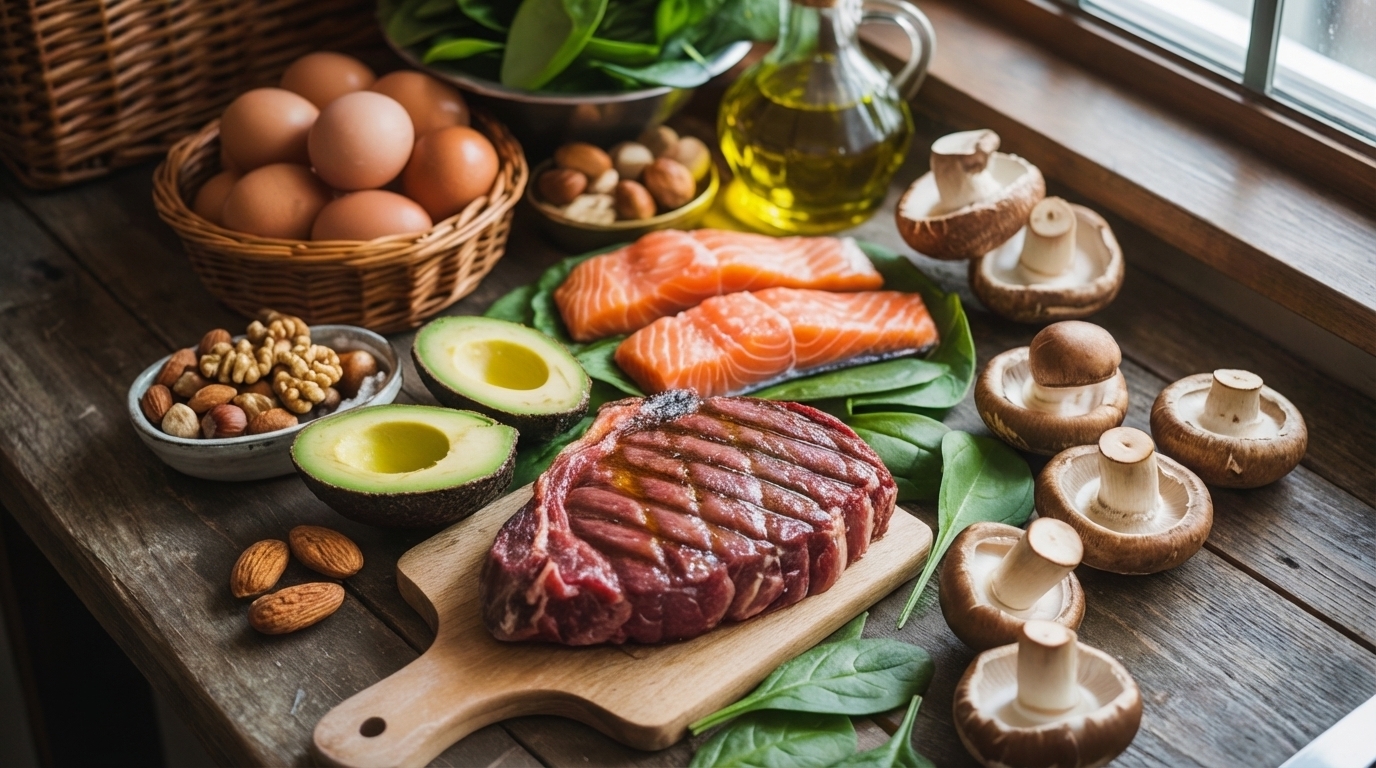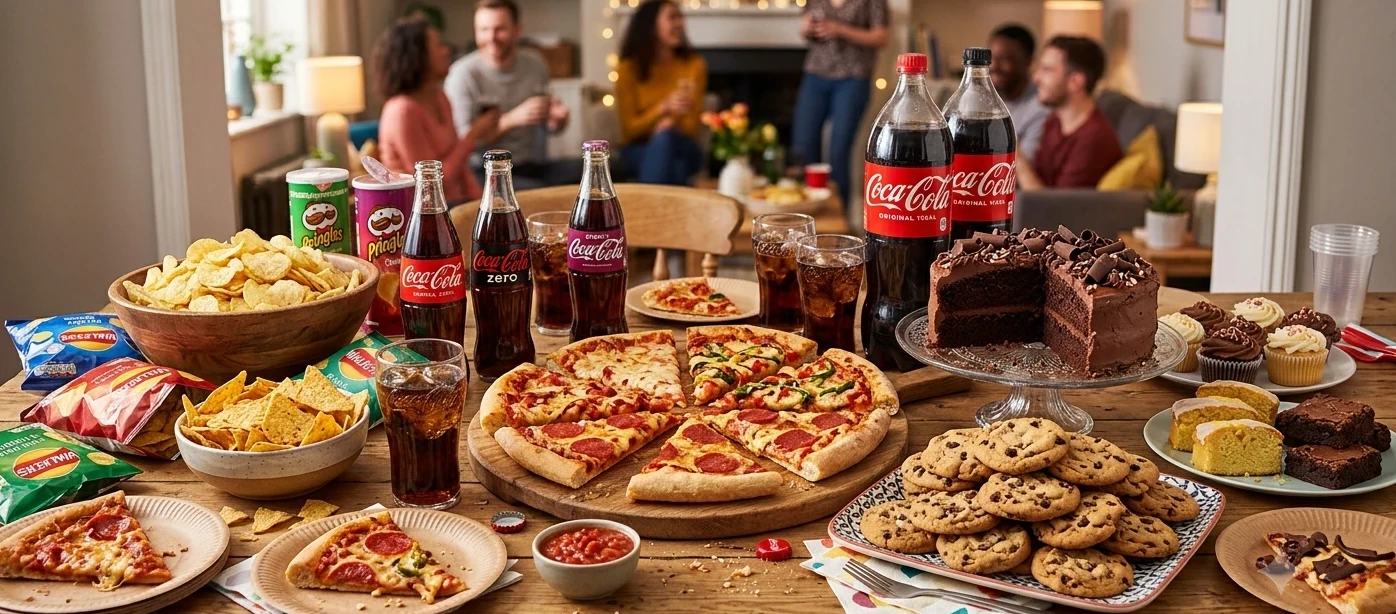
Ultra processed foods, often called UPF, can be found just about everywhere in supermarkets, cafés, and even school canteens. Many people trying to eat healthily still end up bringing these foods home without even noticing. Understanding how to spot these foods helps everyone make better decisions at home or in the shop. The easiest way to pick out ultra processed food is to ALWAYS read the labels. If a product lists more than three ingredients you wouldn’t normally have in your kitchen, it’s pretty likely ultra processed.
What Are Ultra Processed Foods?
Ultra processed foods are more than just packaged or convenient. These items go through several industrial steps, which change the original food by mixing in ingredients that don’t belong in a regular kitchen. Such foods often contain additives, preservatives, flavour boosters, colourings, and emulsifiers to make them taste better and last longer. This stands in contrast to eating foods that are just cooked, canned, or frozen.
For instance, a store bought fresh bread loaf with flour, yeast, water, and salt counts as minimally processed. On the flip side, packaged white bread full of unfamiliar ingredients, or breakfast cereals packed with added colours and sweeteners, are more likely ultra processed. Ready meals, packaged snacks, fizzy drinks, and many low fat yoghurts are often ultra processed foods.
The Best Strategy: Always Check the Label
No matter where you shop, reading the ingredients list is the best way to spot ultra processed foods. Ingredients are ordered by weight, so the ones at the top are most important. If you spot more than three ingredients you wouldn’t keep in an ordinary home kitchen, it’s probably an ultra processed product. Ingredients like maltodextrin, monosodium glutamate (MSG), high fructose corn syrup, artificial sweeteners, xanthan gum and emulsifiers are used by food companies but wouldn’t land in a typical shopping basket.
Here’s a quick list of signs you’re dealing with an ultra processed food:
- A long list of ingredients, especially chemical-sounding names
- Added sugars, syrups, or artificial sweeteners
- Artificial colours, flavours, or preservatives
- Emulsifiers and stabilisers
Reading the back of the packaging is always worth a moment. If you aren’t sure what something is, it’s likely not a natural food ingredient.
Common Ultra Processed Food Ingredients
Here are some ingredients people often find in UPF products:
- Maltodextrin: A starchy powder, often used as a thickener or filler.
- Monosodium Glutamate (MSG): Used for flavour boosting.
- High Fructose Corn Syrup: A very sweet syrup that pops up in many soft drinks.
- Hydrogenated Vegetable Oils: Found in baked goods and spreads; used for texture and a longer shelf life.
- Soy Protein Isolate: A processed protein found in some meat substitutes and snack bars.
- Artificial Sweeteners: Such as aspartame, sucralose, and acesulfame K; these replace sugar in diet drinks and low calorie snacks.
- Artificial Colours and Flavours: Watch for E numbers, which are common in sweets, drinks, and desserts.
- Preservatives: Like sodium nitrite and sulphites; these help preserve processed meats and dried fruits.
- Emulsifiers and Stabilisers: Things like soy lecithin, mono and diglycerides, or carrageenan often keep foods creamy or smooth.
How Ultra Processed Foods Differ From Other Foods
Ultra processed foods really stand apart from basic or just-processed foods. Wholefoods like fruit, vegetables, nuts, and fresh meats have only one ingredient—the label says it all. Minimally processed foods such as oats or frozen vegetables will only list the main food, maybe water or salt. Processed foods, such as cheese, tinned beans, or ordinary bread, might have a couple more like salt or oil. Ultra processed food almost always means a long ingredients list packed with items not used at home.
An easy comparison is to check two versions of a food. Natural Greek yoghurt will list only milk and live cultures. Meanwhile, fruit flavoured yoghurt often has sugar, sweetener, thickeners, colouring—most things you won’t find in regular home cooking.
Why Does It Matter?
Plenty of studies in the UK and globally have linked ultra processed foods with higher risks of health issues, including obesity, heart disease, and type 2 diabetes. These foods tend to be packed with sugar, salt, and unhealthy fats, while they fall short on fibre and essential vitamins or minerals. They’re tasty and easy to eat in big amounts, which makes it tough for people to feel full and stick to healthier habits.
Most ultra processed foods are meant to be eaten quickly, even straight from the pack, which can lead to eating without thinking. They’re usually more affordable than fresh options and are advertised all over, making them hard to avoid, especially for families on a budget.
I for one feel so much better in every way since eliminating ultra processed foods from my diet around 2 years ago after developing a condition called polymyalgia rheumatica, or PMR as it is sometimes known. It helped me regain my health and to live a normal life again.
Practical Tips for Shopping and Eating Well
When shopping, spend more time in parts of the supermarket where you’ll find chilled, frozen, or fresh foods that have one or only a handful of ingredients. Long lists on packaging are a clue you’re in ultra processed territory.
- Pick cereals made with wholegrains, very little added sugar, and straightforward ingredients.
- Go for plain or unsweetened yoghurt; add your own fresh fruit at home for flavour.
- Swap ready made meals for easy recipes you can batch cook and freeze for later.
- With bread, find options with a shortlist of ingredients such as just flour, water, yeast, and salt.
Snack-wise, whole fruits, a handful of nuts, or plain popcorn are awesome choices with almost no processing. Checking ingredient labels can become a habit that pays off quickly!
Barriers and How To Overcome Them
Picking less processed food isn’t always simple, especially with advertising boasting about taste or convenience. For busy families or students, the speed and cost make ultra processed foods look super appealing. One helpful trick is making a plan for meals and snacks ahead of time, so healthy options are just as quick to grab as a store bought cake or a bag of crisps.
Learning a few simple recipes that use frozen veg, tinned beans, or pulses can keep meals filling and budgets lower. Most supermarkets in the UK now label foods that are “free from” artificial colours or preservatives, making it easier to choose less processed food.
Frequently Asked Questions
Question: Are all processed foods unhealthy?
Answer: Not all processed foods are made equal. Some, such as tinned tomatoes or frozen peas, are only minimally processed and fit well into a balanced diet. Ultra processed foods usually mean you’ll find additives and ingredients that aren’t used in most home cooking.
Question: Should I avoid ultra processed foods completely?
Answer: It isn’t always possible to remove UPF from your diet entirely, especially when out and about. Trying to eat less, and less often, delivers big benefits for your health over the long term.
Question: How can I get my children to eat fewer ultra processed foods?
Answer: Getting kids involved in simple kitchen jobs, preparing colourful fruit snacks, or baking easy breads or muffins at home are good ways to guide children toward better choices. Kids often love picking new fruits or veggies in the aisles too.
Wrapping Up
Spotting ultra processed foods soon becomes easy, especially with a habit of checking ingredient labels every time you shop. Picking up foods with short, familiar ingredient lists can set up healthier eating habits for families, students, and anyone else looking to make better choices. The better you know what goes into your food, the easier it is to avoid options that don’t support long term health and well being.