Gut inflammation can seriously mess with your health in all sorts of ways. I’ve learned that when your gut lining gets irritated and inflamed, it doesn’t just mean stomach pain, cramps, or bloating. That kind of irritation can actually impact your whole body, making issues like autoimmune problems, joint pain, skin issues, chronic fatigue, and even brain fog much worse. Conditions including Crohn’s disease, ulcerative colitis, irritable bowel syndrome (IBS), and leaky gut are all fuelled by gut inflammation. Many of our modern health concerns go right back to what’s going on in our digestive tract.
How Gut Inflammation Impacts Your Health
Many people blame their fatigue, random aches, or recurring skin breakouts on stress or genetics, but inflammation in the gut can be a major culprit. When the gut lining is damaged, tiny gaps can open up (known as “leaky gut”), letting toxins, bacteria, and bits of undigested food slip into the bloodstream. Your immune system reacts, trying to protect you, which cranks up inflammation across the body. Over time, this can lead to problems like:
- Autoimmune flare-ups: Including rheumatoid arthritis, lupus, and Hashimoto’s. I had polymyalgia rheumatica (PMR) which I believe was directly related to an inflamed gut.
- Skin issues: Like acne, psoriasis, and eczema.
- Mood swings and brain fog: Research tracks down links between gut health and mental well-being because of the gut-brain axis.
- Digestive conditions: Crohn’s, ulcerative colitis, IBS, and SIBO all have inflammation as a root cause.
- Weight gain and blood sugar swings: Inflammation interferes with how your body processes carbs and fat.
If you’re dealing with any of these issues on a regular basis, calming your gut’s irritation can make a big difference.
Foods That Drive Inflammation: What to Avoid Right Away
If you want quick relief, removing the big triggers is a must. My gut always feels better when I avoid foods that irritate the lining or upset my gut bacteria. The top culprits are:
- Processed foods: Crisps, packaged snacks, deli meats, and fast food are packed with chemicals and processed oils that make things worse.
- Refined sugar: Sodas, cookies, sweetened coffee, and cereals spike blood sugar and feed inflammatory bacteria.
- Refined carbs: White bread, white rice, and regular pasta are stripped of fibre and nutrients, leaving you with glucose spikes that trigger inflammation.
- Industrial seed oils: Oils like sunflower, soybean, canola, and corn are high in omega-6, which can ramp up inflammation if you eat too much.
- Excess alcohol: Even a few drinks can damage the gut lining, making healing difficult.
I see the best results when I focus on foods that are easy on my belly for a few days, then slowly bring in more variety as things improve.
Carnivore, Low fibre, and Anti-Inflammatory Diets That Work Fast
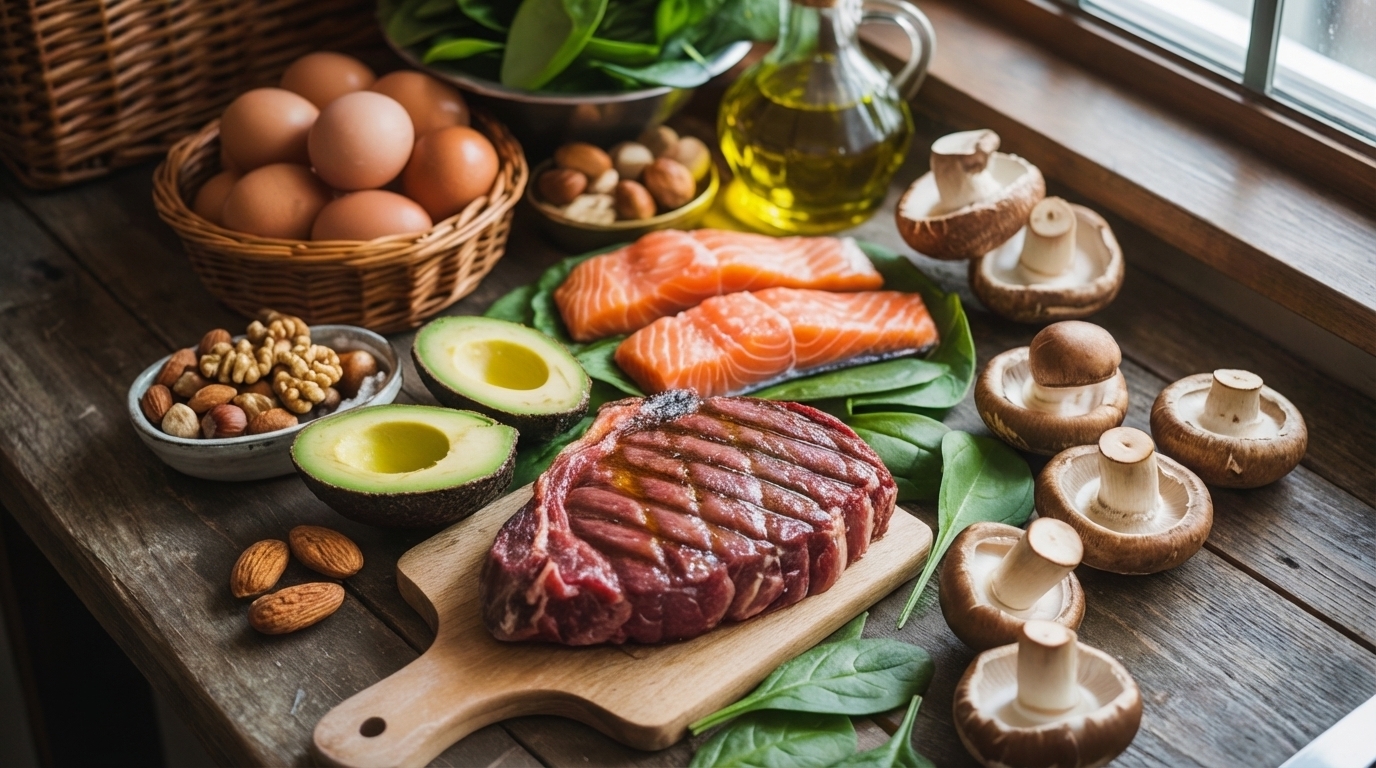
For a rapid reset, going for a super simple diet can cool things down quickly. I’ve tried a carnivore style diet sometimes—just sticking to meat, eggs, and plain animal-based foods cooked simply. It’s not a long-term fix unless you know your system loves it, but for a few days, it can be a lifesaver during a bad flare. Meat and eggs are naturally low in plant fibres, which can aggravate a sensitive gut, and they don’t have gluten, dairy, or additives that can sting a sore lining.
If strict carnivore isn’t for you, a gentle “low residue” approach works almost as well. This means choosing foods that leave little behind in the gut: cooked white rice, clear broths, plain chicken or turkey, well-cooked carrots or zucchini, and ripe bananas. Fermented foods (like a small serving of plain sauerkraut or kefir) may help heal the gut by boosting good bacteria, but start with tiny amounts to see how your body reacts.
Anti-Inflammatory Foods Worth Adding
- Wild caught fatty fish: Salmon, sardines, and mackerel give your body omega 3’s, which help ease up on inflammation.
- Broth and gelatin: Slow-cooked bone broth or collagen powder is soothing and helps rebuild the gut lining.
- Lamb and grass fed red meat: Simple, naturally seasoned options that are easy for most to digest.
- Steamed vegetables: Carrots, spinach, squash, and zucchini, when well cooked, usually work well. Avoid raw, crunchy vegetables during bad bouts.
Other Powerful Ways to Soothe Gut Inflammation Fast
Food gets a lot of attention, but calming the gut isn’t only about what you eat. The best results come from a complete approach, especially during a nasty flare-up.
Stress Management
Stress hormones like cortisol turn up inflammation in the body, including in your gut. I’ve noticed my gut problems get worse during stressful or hectic periods. And I’m not alone—studies back this up. Even a small step to relax your nervous system daily goes a long way. My favourite methods are:
- Breath work or meditation for 5-10 minutes.
- Walking outside and leaving screens behind.
- A hobby that gets me absorbed and relaxed.
Reducing stress isn’t just about mental well-being. Your gut has its own nervous system; relaxing your mind helps repair that protective barrier.
Quality Sleep
Trying to recover from inflammation on little sleep won’t work. Lack of rest cranks up inflammation and slows down the healing process. I notice a big difference in gut pain and bloating when I turn in earlier, minimise distractions, and let myself sleep a bit more on weekends. Striving for seven to nine hours of good quality rest makes a huge difference. Sometimes a cup of herbal tea, like chamomile, can help wind things down at night.
Hydration
It may sound basic, but it’s crucial. When dehydrated, your gut lining gets sticky and more prone to irritation. Drinking more water helps flush out toxins and keeps digestion running smoothly. I boost my intake of plain water or herbal tea, especially when I’m cutting back on fibre, to help my gut heal faster.
Gentle Movement
I used to think exercise only mattered for weight loss, but even light movement starts up anti-inflammatory pathways in your body. During gut flares, I swap tough workouts for easy walks, stretches, or some yoga. Moving helps your gut muscles work better, can cut down on bloating, and reduces stress at the same time.
Common Challenges and How to Tackle Them
Improving your gut health habits doesn’t always go smoothly. Here’s my advice for some of the trickiest situations:
- Feeling overwhelmed cutting different foods: Start with one or two easy changes, like swapping sugary drinks for water or leaving out known triggers like gluten or dairy first.
- Social events: Eat a safe meal before heading out, or bring snacks you know your gut tolerates.
- Boredom with bland meals: I keep things interesting with simple add-ins like ginger, parsley, or fresh lemon. Staying away from heavy sauces helps, too.
- No immediate progress: Some inflammation does cool down in days, but deeper healing might take weeks. Consistency is the real key.
Hydration
Drinking plenty of fluids helps flush out irritants and supports healing throughout your digestive tract. I like to sip water all day. Some people even add a pinch of sea salt to get extra minerals.
Quick-Action Anti-Inflammatory Gut Regimen
When my gut needs a fast reset, here’s my go-to plan:
- Stick with the simplest meals: Choose one protein (such as chicken, cod, or beef) and a single, well-cooked vegetable for a few days, with clear bone broth on the side.
- Avoid all processed, spicy, or trigger foods: Reading every label can save a lot of regret later.
- Try starting and ending the day with herbal tea: Ginger or peppermint can really calm things down.
- Make sleep and de-stressing a must: Cut back on screens before bed, play relaxing music, or meditate for a few minutes.
- Walk after meals: Even a 10- to 15-minute stroll can help digestion and ease bloat.
Helpful Supplements (Check With Your Doctor)
- Lglutamine: An amino acid that helps patch up the gut lining.
- Probiotics: Give a boost to healthy gut bacteria, but pick gentle strains if your system is sensitive.
- Curcumin: Found in turmeric; gives the body support for anti-inflammatory processes.
- Omega 3 fish oil: Offers an extra boost for fighting inflammation from inside out.
I always double check with a healthcare provider before trying new supplements—some can mix badly with medicines or bother a sensitive stomach.
Frequently Asked Questions
People ask me these all the time about tackling gut inflammation:
How long does it take for gut inflammation to go down?
Sometimes you’ll feel better after just a few days, but for real, deep repair, it can take weeks, especially after a major flare.
Can I still eat fibre when my gut is inflamed?
It’s generally smart to pause raw or whole-fibre foods and focus on small portions of well-cooked, soft vegetables for now. Listen to what feels best for your own body.
Are probiotics always safe during gut flare-ups?
Not everyone does well with probiotics mid-flare, especially anyone with SIBO. Try small doses of gentle options and pay attention to your body’s response—or just let the gut rest for a bit.