
Chronic inflammation pops up in quite a few health complaints, from joint pain and fatigue to more lasting issues like heart conditions. While the body uses inflammation to heal injuries or fight infections, too much of it hanging around isn’t great. Making some pretty straightforward changes in daily habits, especially with food, movement, and stress, goes a long way toward supporting a calmer, healthier system.
Understanding Inflammation and Why It Sticks Around
Inflammation is just the body’s way of dealing with something it thinks is a threat, such as germs, injuries, or irritants. When it’s needed, it helps kick start repairs. The trouble starts when those immune signals don’t switch off. That can make joints ache, guts grumble, or skin flare up. Loads of things can make it stick around, including ongoing stress, a lack of sleep, certain foods, and not moving much. So, it really pays to look at everyday choices for a gentler approach to long-term health.
Eat to Soothe: How an Anti-Inflammatory Diet Helps
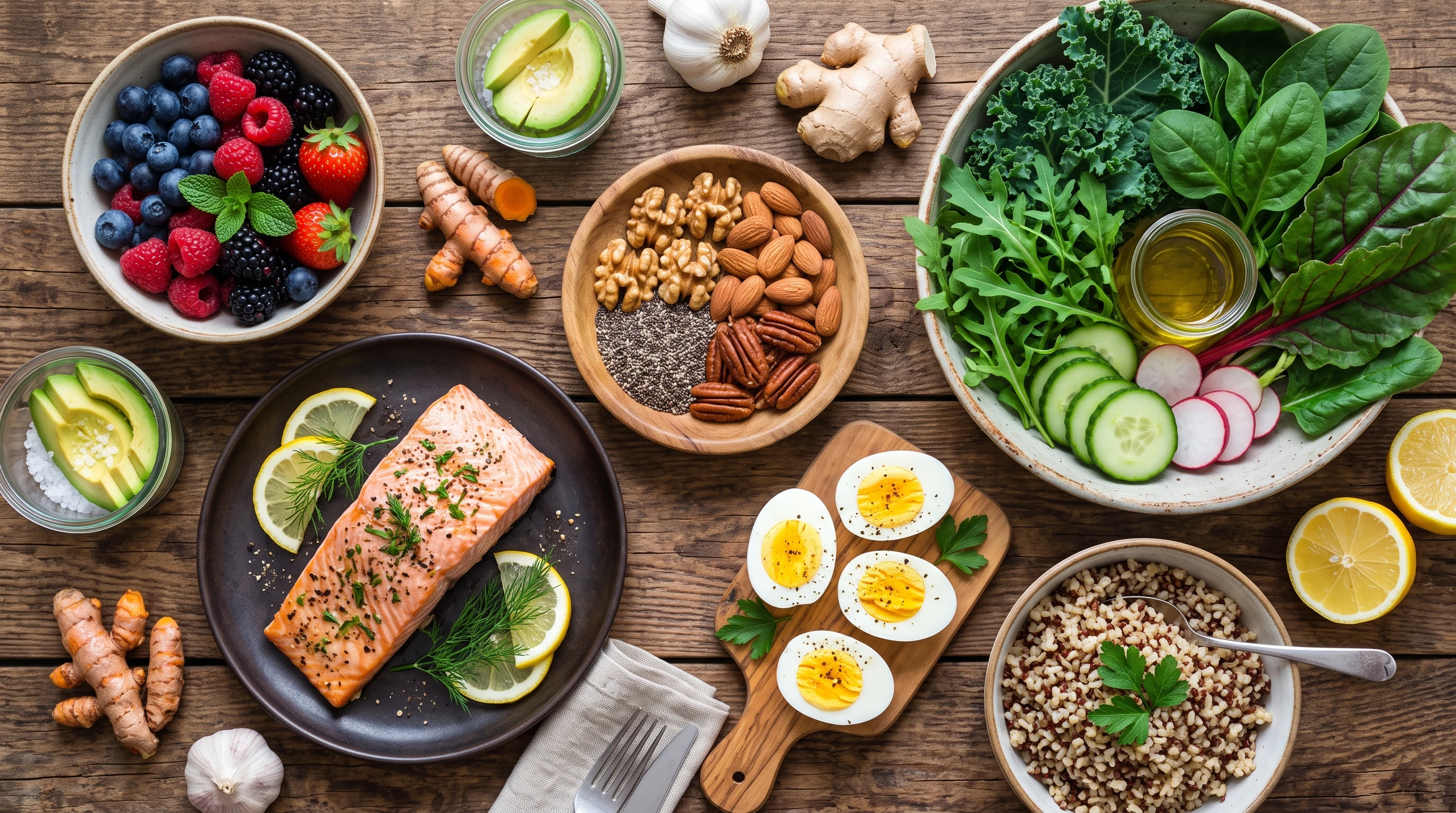
The foods eaten every day either add fuel to the inflammatory fire or help cool things down. Sticking with a mix of colourful whole foods from both animal and plant sources gives the body steady tools to sort itself out. Some of the top picks for taming inflammation include:
- Fatty fish: Salmon, mackerel and sardines have omega 3’s, and these are known to help calm inflammation. Grabbing a portion two or three times a week is a good start. Smoked mackerel on toast or salmon in a salad are both straightforward dinners.
- Berries: Blueberries, strawberries, raspberries – any berry you fancy, really. They’re loaded with antioxidants that help fight the free radicals linked to chronic inflammation.
- Leafy greens: Spinach, kale, rocket or even spring greens. These are top for vitamins like folate and vitamin K, plus minerals that help the body chill out.
- Eggs: Packed with protein and a load of nutrients, eggs are a practical option for breakfast or lunch and fit well with wholegrain toast or plenty of veggies on the side.
- Nuts: Almonds, walnuts and Brazil nuts are known for their healthy fats. A small handful as a snack supports joint and brain health.
- Wholegrains: Oats, brown rice, barley, and quinoa are a fibre rich swap for white rice or white bread. This helps the gut keep inflammation at bay.
There’s no single food that zaps inflammation overnight, but eating this way day to day means the body gets a steady flow of nutrients and stays away from inflammatory triggers. Ultra processed foods, sugars, and lots of processed meat are better swapped out for these options when possible. Cutting back on fried foods, excess salt, and heavy creams also gives the body a boost.
Adding herbs and spices like turmeric and ginger to meals also brings extra antioxidants. For example, making a simple stir fry loaded with vegetables, some grilled chicken, a dash of ginger, and wholegrain rice pulls together several anti inflammatory elements in one go.
Simple Daily Habits to Reduce Inflammation
Food is a key player, but other daily routines have a big influence too. Here are some straightforward routines:
- Get enough sleep: Sleep gives the body a window to heal and recover. Aiming for 7–9 hours a night gives the immune system the break it needs and helps keep blood sugar even. Consistent sleep also helps mood and decision making, which can make healthy habits easier to stick to.
- Move more: Exercise doesn’t have to mean slogging away in the gym. A brisk walk, a jog, a dance around the living room – anything that gets the heart going helps calm inflammation. NHS guidelines suggest about 150 minutes of moderate activity a week. That could be 30 minutes on most days, and it really does add up. Even household chores like vacuuming or gardening count as movement.
- Manage stress: Ongoing stress keeps those inflammatory hormones circulating. A short burst of mindfulness, a walk outside, or just switching off the phone in the evening helps. Taking up gentle yoga or spending a few minutes focused on breathing can also reset the nervous system. No need to be perfect, but building in little moments where possible makes a difference.
Quick Guide: Daily Steps to Flush Out Inflammation
Building a regular pattern with these habits does more than any one off cleanse or “miracle” fix. Here are the top steps most people find useful:
- Fill half the plate with colourful veg or fruit: Keep up the variety by swapping potatoes for sweet potatoes, or adding an extra portion of greens to dinner. Try roasted peppers and onions for a change or throw in some berries to your morning oats.
- Choose wholegrain over white carbs: Rice, pasta and bread are all available as brown or seeded versions in most shops. The extra fibre keeps the gut happy and blood sugar more stable.
- Have oily fish twice a week: This can be tinned salmon, fresh sardines or even smoked mackerel. If fish isn’t your thing, look for chia seeds or walnuts as a plant based source of omega 3’s.
- Snack on nuts and seeds instead of sugary foods: Unsalted almonds or pumpkin seeds are easy to keep in a bag or desk drawer for munching between meals.
- Drink more water and less fizzy drinks: Staying hydrated helps cells function better, plus it supports the liver and kidneys as they clear out waste.
- Get outside or move every day: Just a walk round the block after lunch or before tea gets blood flowing and supports joint health. Exposure to daylight also helps set the body clock, encouraging better sleep later.
- Aim for a regular bedtime: Turning in at a similar time each night helps reset body clocks and reduces next morning grogginess. Avoid blue light from screens close to bedtime to make falling asleep easier.
Common Hurdles and Easy Fixes
No one sticks to perfect routines every day, so being flexible is really important. Here are some common slip ups, with workable fixes:
- Busy schedule: Prepping veg in bulk on a Sunday, or using tinned fish and microwave grains, keeps things practical for midweek meals. If mornings are rushed, overnight oats or boiled eggs are grab and go options.
- Tight budget: Going for frozen berries or greens saves a bit of cash, and tinned fish is usually cheaper than fresh. Pulses like lentils and chickpeas also make hearty and affordable additions to soups and stews.
- Late nights or poor sleep: Avoiding caffeine late in the day and making the bedroom as dark and quiet as possible helps you nod off quicker. Establishing a calming bedtime routine, like reading or listening to music, can help signal to the body that it’s time to rest.
- Worry or mental load: Chatting things through with mates, using free mindfulness apps, or getting outside for some green space, can help stress feel a bit less relentless.
Understanding Tricky Ingredients
Some foods keep inflammation ticking along in the background. Processed meats, sweets, pastries and deep fried takeaways contribute to the problem if eaten all the time. It’s not about cutting them out completely. Still, making them more of a treat than a standard bit of the weekly shop will help the body settle down.
How To Balance Meals
Mixing up macronutrients means less inflammation. Including a palm sized portion of protein (like grilled chicken, tofu, or eggs), plenty of vegetables, plus a slow release carb at each meal helps energy levels stay even. A good drizzle of olive oil, or a sprinkle of seeds, adds a final anti inflammatory punch and keeps the food tasting good.
Try building a meal with half the plate as veg or fruit, a quarter as protein, and a quarter as whole grains. This pattern gives the body what it needs to chill out and also keeps things interesting. Adding in a little fermented food such as plain yoghurt or sauerkraut can further support a robust, happy gut.
Frequently Asked Questions About Reducing Inflammation
Question: How long does it take for an anti inflammatory approach to work?
Answer: Most people notice differences like fewer aches or less bloating within a couple of weeks of regular changes, especially if junk foods are swapped out for fruit, veg, and oily fish.
Question: Is an anti inflammatory diet safe for everyone?
Answer: Eating more fresh foods and moving more is a safe bet for most people, but anyone with a health condition or on medication should check with their GP or a registered dietitian before making big changes.
Question: Can supplements replace anti inflammatory foods?
Answer: Getting nutrients from real foods is generally a better shout, unless a GP suggests a supplement. Omega 3 capsules, for instance, might help if fish isn’t on the menu, but whole foods usually pack a better punch.
Making It Work Long Term
Sticking with the basics – balanced meals, regular movement, and enough sleep – has the best results for switching up stubborn inflammation. Some days won’t go to plan, but even small swaps, when added up, give the body a break and help encourage recovery. Paying attention to how different foods or routines leave you feeling after meals helps sort out what works best.
For anyone ready to start, stocking up on tinned fish, a couple of fresh or frozen veg bags, oats, eggs, and wholegrain bread or rice is a great first move. Batch cooking soups or stews and keeping nuts or berries at hand for snacks keeps healthy choices quick and easy, even on the busiest days. Remember to check in with your body now and then, as everyone’s needs shift as life changes.