
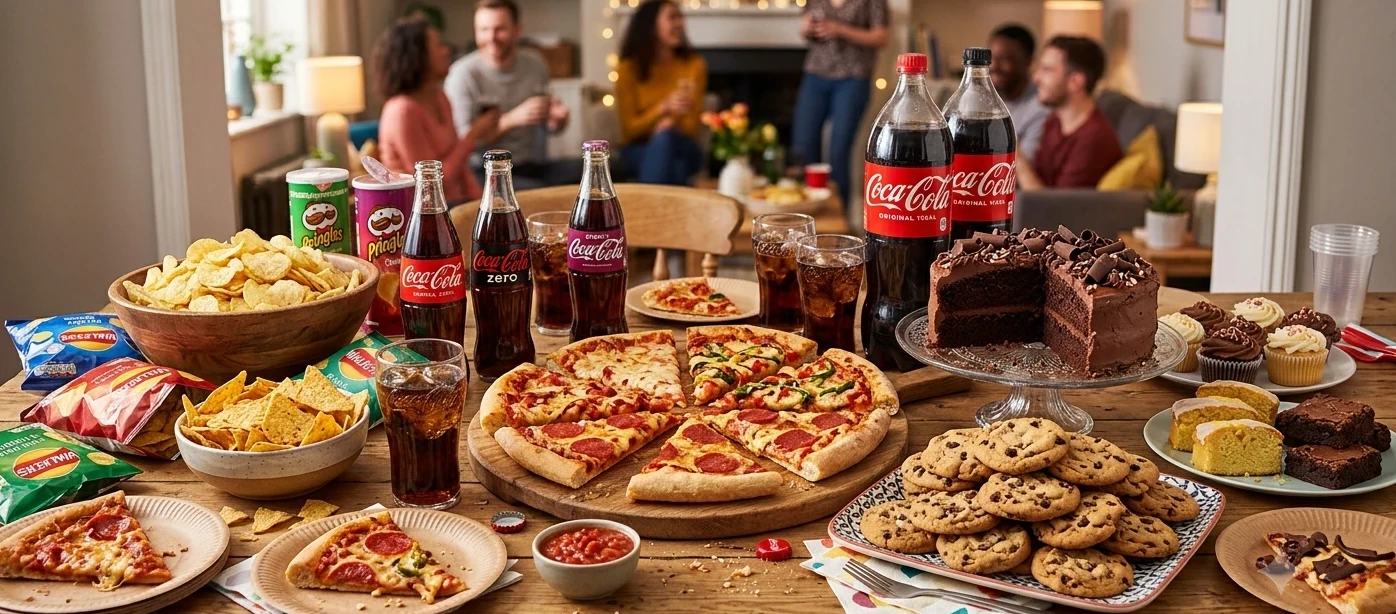
Ultra-processed foods, often called UPF’s, have become a staple in many modern diets. These products go beyond the basic processing of food, often combining ingredients such as preservatives, sweeteners, emulsifiers, and colourings with industrial processes that are far removed from traditional cooking. Some common examples include crisps, sugary cereals, ready meals, packaged snacks, instant noodles, and soft drinks. With growing interest in how diet might affect disease risk, a common question is whether eating ultra-processed foods could play a part in developing cancer.
What Are Ultra-Processed Foods?
Ultra-processed foods are usually created in factories using a wide range of artificial additives, flavour enhancers, and complex industrial processes. These foods are designed to be convenient, tasty, and have a long shelf life. While some processing is normal, for example freezing vegetables or pasteurising milk, ultra-processing goes much further by using ingredients not usually found in a home kitchen, such as modified starches, artificial sweeteners, and stabilisers.
The main appeal of UPF’s comes from their convenience and intense flavours. However, this high degree of processing raises concerns about the nutritional value and potential health impacts, especially as these foods take up a big share of typical diets in both the UK and around the world.
Are Ultra-Processed Foods Linked to Cancer?
Researchers have started to look into whether a diet packed with ultra-processed foods might be linked to higher cancer risk. Some large studies have found a connection between eating more UPF’s and rates of certain types of cancer, particularly breast and colorectal cancer. While these findings don’t prove that UPF’s directly cause cancer, they do suggest there could be a link worth paying attention to.
The UK Biobank study, one of the largest of its kind, tracked dietary habits and health outcomes in adults over several years. It found that a 10% increase in the proportion of UPF’s in the diet was linked with a rise in overall cancer cases, and particularly ovarian and brain cancer in women. Similar studies from France and Brazil report that people who eat more ultra-processed foods may face a higher risk of developing certain cancers. As with many areas of nutrition science, more research is needed to confirm these results and really get a sense of the full link.
How Ultra-Processed Foods Can Affect Health
Ultra-processed foods tend to be high in sugar, unhealthy fats, and salt while being low in beneficial nutrients like fibre, vitamins, and minerals. This imbalance can impact health in several ways, some of which are linked to increased cancer risk.
- Weight Gain and Obesity: These foods are typically energy dense, low in fibre, and easy to overeat, which increases the likelihood of gaining weight. Being overweight or obese is a known risk factor for many cancers, including bowel, breast, and kidney cancers.
- Type 2 Diabetes: Diets high in ultra-processed products are tied to large spikes in blood sugar and insulin. Over time, this can increase the risk of developing type 2 diabetes, another condition connected to higher rates of certain cancers.
- Digestive Issues: The lack of fibre and presence of artificial additives can upset gut health. Additives such as emulsifiers and artificial sweeteners may upset the gut microbiome, leading to inflammation and other issues, some of which could potentially affect cancer risk.
- Increased Inflammation: Many UPF’s contain pro-inflammatory ingredients like refined oils, excess sugar, and additives. Ongoing inflammation has been studied for its potential role in the development of cancer and other diseases.
This challenge goes beyond calories; the composition of UPF’s—rich in artificial additives, sugar, and unhealthy fats—seems to have multiple ways of promoting disease. Many experts recommend switching up from these foods in favour of options made from whole ingredients to support long-term health.
Missing Out on Protective Nutrients
With diets high in ultra-processed foods, people often eat fewer whole, nutrient-rich foods. This means missing out on food groups such as fruit, vegetables, legumes, whole grains, nuts, and seeds, all of which provide vital vitamins, minerals, antioxidants, and fibre. These nutrients have properties that are thought to help protect against certain cancers.
For example, fibre from whole grains as well as from fruit and vegetables supports good digestion and gut health, which may help reduce the risk of bowel cancer. Antioxidants in colourful plant foods help protect cells from damage that could lead to cancer. Major health organisations widely recommend a diet based mainly on unprocessed or minimally processed foods for its role in cancer prevention.
Eating more ultra-processed food means less room for these protective foods. That’s why focusing on a balanced, mostly whole foods diet is one of the key steps people can take to lower their cancer risk.
Common Ingredients in UPF’s That Raise Concern
Certain ingredients found in many ultra-processed foods have been studied for their possible effects on health. These include:
- Emulsifiers: Often used for texture and keeping foods stable longer, emulsifiers like carboxymethylcellulose and polysorbate 80 may upset gut bacteria and trigger inflammation in the digestive tract.
- Processed Meats: Bacon, sausages, and deli meats are grouped as UPF’s and are classed as Group 1 carcinogens by the World Health Organization. There is clear evidence that eating these meats regularly can boost bowel cancer risk (source).
- Artificial Sweeteners: Some sweeteners, like aspartame, remain controversial. Studies are ongoing, with some suggesting a connection to cancer risk, while others find them safe at low levels.
- Acrylamide: This chemical forms during high-temperature processing of certain foods, such as crisps and chips. Research in animals has shown it to be a potential carcinogen; its effect in humans is still being researched.
While not every UPF has all these ingredients, the combined exposure over time could add to health risks and highlights the value of choosing less processed options when possible or reading labels closely.
Practical Steps to Eat Fewer Ultra-Processed Foods
Cutting back on ultra-processed foods does not mean giving up on all convenience or taste. Many people find that simple swaps and meal planning help them cut back on UPF’s:
- Cook More at Home: Making meals from scratch using fresh or minimally processed ingredients helps maintain control over what goes into your food.
- Choose Whole Food Snacks: Switch packaged snacks for fruit, nuts, plain yoghurt, or wholegrain crackers.
- Read Labels: Check ingredient lists for long strings of additives or ingredients you do not recognise.
- Plan Ahead: Stocking healthy staples and batch-cooking can reduce the urge to turn to ready meals or convenient snacks when busy or tired.
Gradually cutting back the proportion of ultra-processed foods in your meals and focusing on whole grains, fresh fruits and vegetables, lean proteins, and healthy fats can support better overall health and bring down the risk of chronic diseases, including some cancers.
Frequently Asked Questions
Is it possible to eat ultra-processed foods occasionally without raising cancer risk?
Eating ultra-processed foods once in a while is not likely to put you at risk, but frequent and regular consumption has been linked to higher rates of chronic disease in several studies. Balance and moderation are important, but most of your food should come from whole sources.
Are all processed foods dangerous?
Not all processed foods are the same. Many common items like frozen vegetables, unsweetened yoghurt, and wholegrain bread are processed but can be part of a healthy eating pattern. The concern comes from foods that are highly processed with lots of additives and limited nutritional value.
Which foods should be prioritised for reducing cancer risk?
Whole foods such as fresh fruit and vegetables, legumes, whole grains, and oily fish bring fibre, vitamins, and plant compounds known to help protect against certain cancers. Making these foundation foods in your meals can help lower risk.
Takeaway
So far, research suggests that diets packed with ultra-processed foods might be linked to a higher cancer risk—both through direct impact and by pushing out wholesome, protective foods. Focusing on balanced meals built mainly from fresh, minimally processed ingredients can help support long-term health. Cutting back on convenience items that are heavily processed is a realistic goal for most people and can make a big difference to health over time.