
If you’ve noticed constipation after starting a keto diet, you’re definitely not alone! But please don’t let this put you off going keto. Many people feel backed up or uncomfortable, especially in the first weeks of switching to low carb, high fat eating. While this is a pretty common side effect, there are lots of straightforward things you can do to get things moving again. I’m breaking down practical, easy to follow tips for beating constipation on keto, so you can get back to feeling your best.
Why Keto Can Trigger Constipation
Keto works by cutting down on carbs to encourage your body to burn fat for fuel. While this opens the door to pretty tasty meals, it also means you might be eating less fibre and water rich foods than before. At the same time, your body loses more water and electrolytes when your carb intake drops. It’s a combination that can leave your system sluggish.
The most common constipation triggers on keto are:
- Lower fibre intake: Cutting out bread, rice, and fruit often means less fibre, and fibre helps keep things regular.
- Dehydration: Going low carb causes your body to shed water, and being even a little dehydrated can make stools hard and slow.
- Electrolyte imbalance: When your kidneys release more sodium, you may need extra salt or minerals to keep things moving smoothly.
Top Ways to Relieve Constipation on Keto
Good news. There are several easy tweaks you can try to support your gut, even while staying true to keto goals. Here’s a breakdown of strategies worth checking out.
1. Drink More Water
Staying hydrated really matters. Keto has a diuretic effect, meaning you lose more water, especially in the first few weeks. When you’re even a little dehydrated, your colon grabs more water from your stool, which makes it harder, drier, and tougher to pass. Drinking more water is the single most useful thing for staying regular. Try having a glass of water before every meal and carrying a refillable bottle with you during the day. Aim for clear or very light yellow pee as a good hydration check.
2. Add Salt (and Electrolytes)
If you’ve cut back on processed foods and carbs, you’re probably getting far less sodium and other electrolytes than before. Your kidneys release more salt on keto, which can throw off your fluid balance and slow digestion. Sprinkling a little extra sea salt on your meals, sipping mineral water, or using an electrolyte supplement (with no added sugar) can make a difference for both energy and digestion. If you get muscle cramps or headaches along with constipation, a lack of salt is usually the culprit.
3. Top Up Your Magnesium
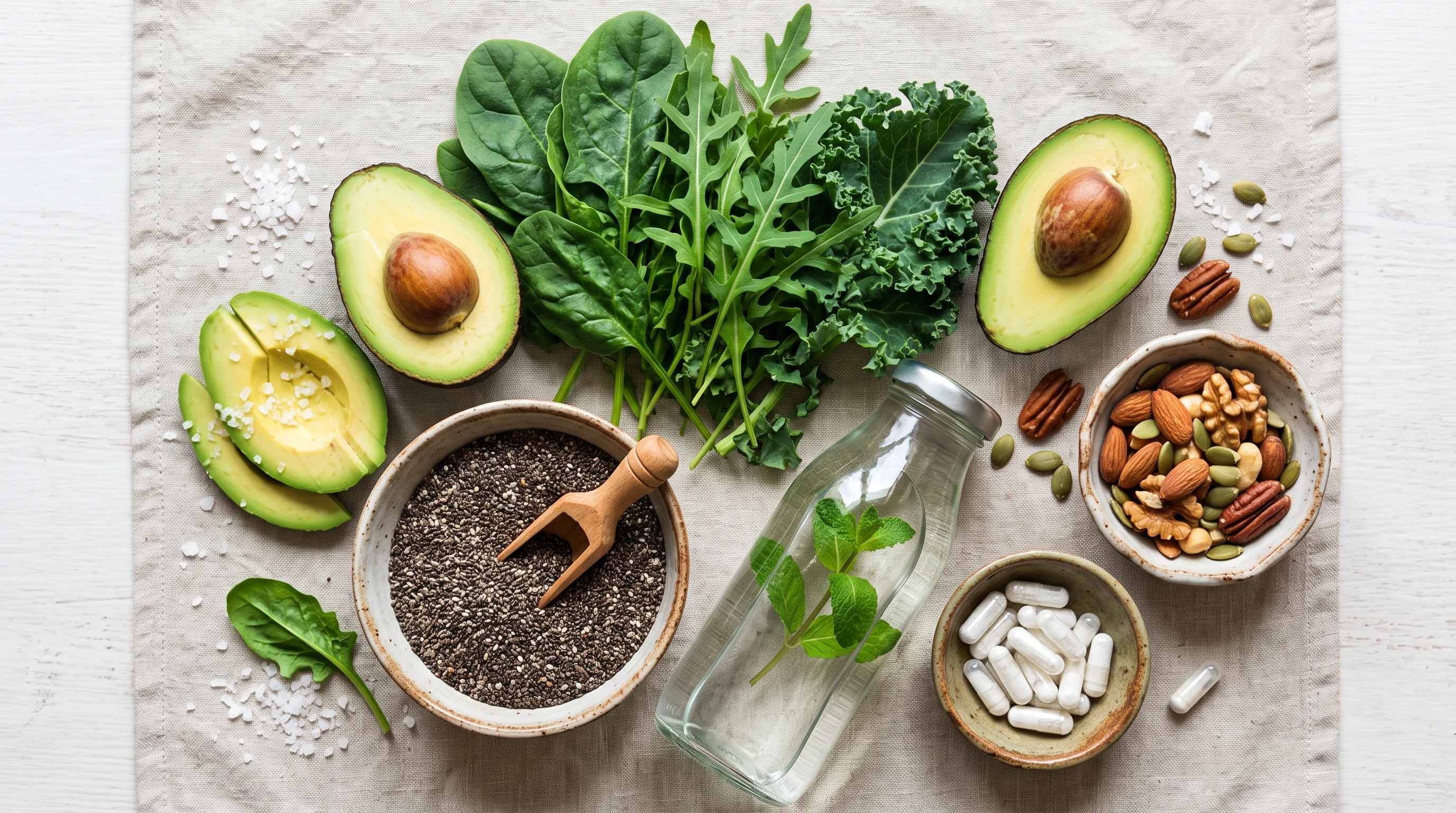
Magnesium is pretty handy for relaxing your digestive tract and pulling water into your colon, which makes bowel movements easier. Lots of keto eaters find a magnesium supplement does the trick for regularity, especially if you’re not getting enough from food. Foods like nuts, seeds, leafy greens, and avocados are good sources, but a magnesium citrate supplement (often 200 to 400 mg at bedtime) can help if you’re still struggling. Always check with your doctor or pharmacist if you’re on medications or unsure about supplementing.
4. Boost Keto Friendly Fibre
You don’t have to give up on fibre just because you’re skipping bread and oatmeal. Plenty of low carb vegetables pack fibre and help keep things moving. My favourites for keto include broccoli, cauliflower, zucchini, spinach, and leafy greens. Chia seeds and flaxseeds are also good picks—try stirring them into coconut yogurt or adding them to smoothies. If you’re used to avoiding vegetables for carb reasons, know that the net carbs in leafy greens are actually pretty low. Introducing fibre rich foods gradually helps prevent gas and bloating. I know not everybody is good with vegetables as they can cause issues for some people due to the anti nutrients in them.
5. Move Your Body Each Day
Physical activity helps stimulate the muscles in your gut. Even a short walk after meals, some gentle stretching, or a bit of yoga can give your digestion the push it needs. It doesn’t need to be intense either; consistency matters a lot more than how many calories you burn. If you spend most of your day sitting, setting a reminder to stand and stretch every hour can also help break that cycle of sluggish digestion.
Common Keto Constipation Questions
I get lots of questions from friends and readers about dealing with constipation on keto, so here’s a quick Q&A rundown.
Is constipation normal when starting keto?
It’s really common, especially in the first few weeks while your body adjusts to burning fat (and losing water). Most people see improvements with the tips above.
How much water should I drink daily?
There’s no magic number but 2 to 3 litres (about 8 to 12 cups) is a good ballpark. You’ll likely need more if you’re exercising or live somewhere hot.
Which fibre foods are best on keto?
Focus on non starchy vegetables, chia seeds, flaxseeds, and avocados. These add fibre and pack in vitamins and minerals too. Avoid high carb fibre supplements unless the label shows little to no net carbs.
Can too much dairy make constipation worse?
For some people, yes. Full fat cheeses and cream are low in carbs but can be binding if you’re sensitive. Try cutting back to see if things improve.
Are laxatives or stool softeners okay on keto?
Occasional use is generally safe, but try the other tips first. Overusing laxatives can make your gut “lazy” over time. If you haven’t had a bowel movement in more than 5 to 7 days, or you have severe pain, talk to a doctor.
Extra Tips for Keto Constipation Relief
Sometimes, those main fixes need a little backup from other approaches. Here are a few options worth checking out if you still need support:
- Try probiotic rich foods: Fermented foods like sauerkraut or kimchi (unsweetened) have live bacteria that can help your gut stay balanced. Some people also see benefits from probiotic supplements, but it’s always wise to check the ingredient list for sneaky sugars or starches.
- Space out your meals: Giving your gut some “rest” between meals can help trigger the process called the migrating motor complex, which is basically your intestines’ housekeeping system. Avoid nonstop snacking if possible.
- Watch out for hidden carbs and sweeteners: Sugar alcohols (like maltitol or sorbitol) in keto treats sometimes cause bloating or worsen constipation, especially if you eat a lot quickly. Pay attention to how you feel after eating these products.
Signs You Should Talk to a Doctor
Minor constipation is extremely common on keto, but there are a few signs you really shouldn’t ignore. If you haven’t had a bowel movement for more than a week, or you’re dealing with severe pain, vomiting, blood in your stool, or unexplained weight loss, check in with your healthcare provider. These could be signs of a bigger issue that needs professional care.
Keto Constipation Fixes—Wrapping Up Real Life Advice
No one wants their keto progress sidetracked by stomach drama. When constipation shows up, a few simple tweaks such as more water, extra salt, a magnesium boost, extra fibre, and regular movement usually help a lot. Don’t forget to listen to your body and make changes gradually to give your system time to catch up. Also, remember that being patient with your body as it adjusts to a new eating style is important; sometimes it takes a week or two for regularity to return, especially after a big dietary switch up. Prioritising sleep and stress management can also provide a subtle but valuable boost for your gut health on keto. If your routine changes or you’re travelling, try to keep some fibre and hydration staples on hand to help things stay regular.
If you found this article helpful, check out more resources on gut health and keto, and stick with it; your gut will thank you soon!