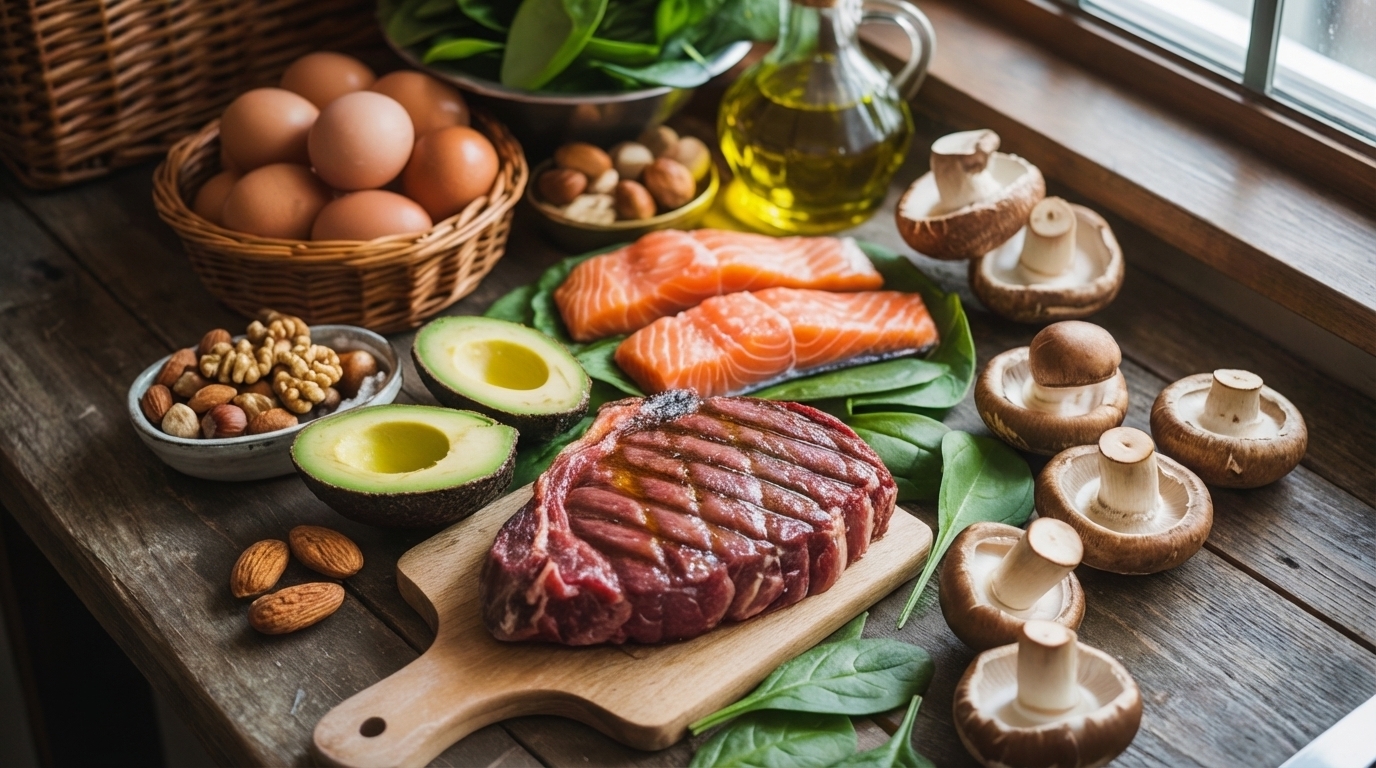
Dealing with polymyalgia rheumatica (PMR) changed how I looked at my health and daily habits. This condition, marked by muscle pain and stiffness, especially in the shoulders and hips, often hits people over 50. My own adventure taught me that food and inflammation are closely connected, showing how the right diet can help your body manage inflammation and support recovery. Cutting sugary foods and processed meals, favouring a low carb approach, and eating whole foods made a huge difference in my symptoms. I’m sharing my experience and what I learned to help others facing similar problems.
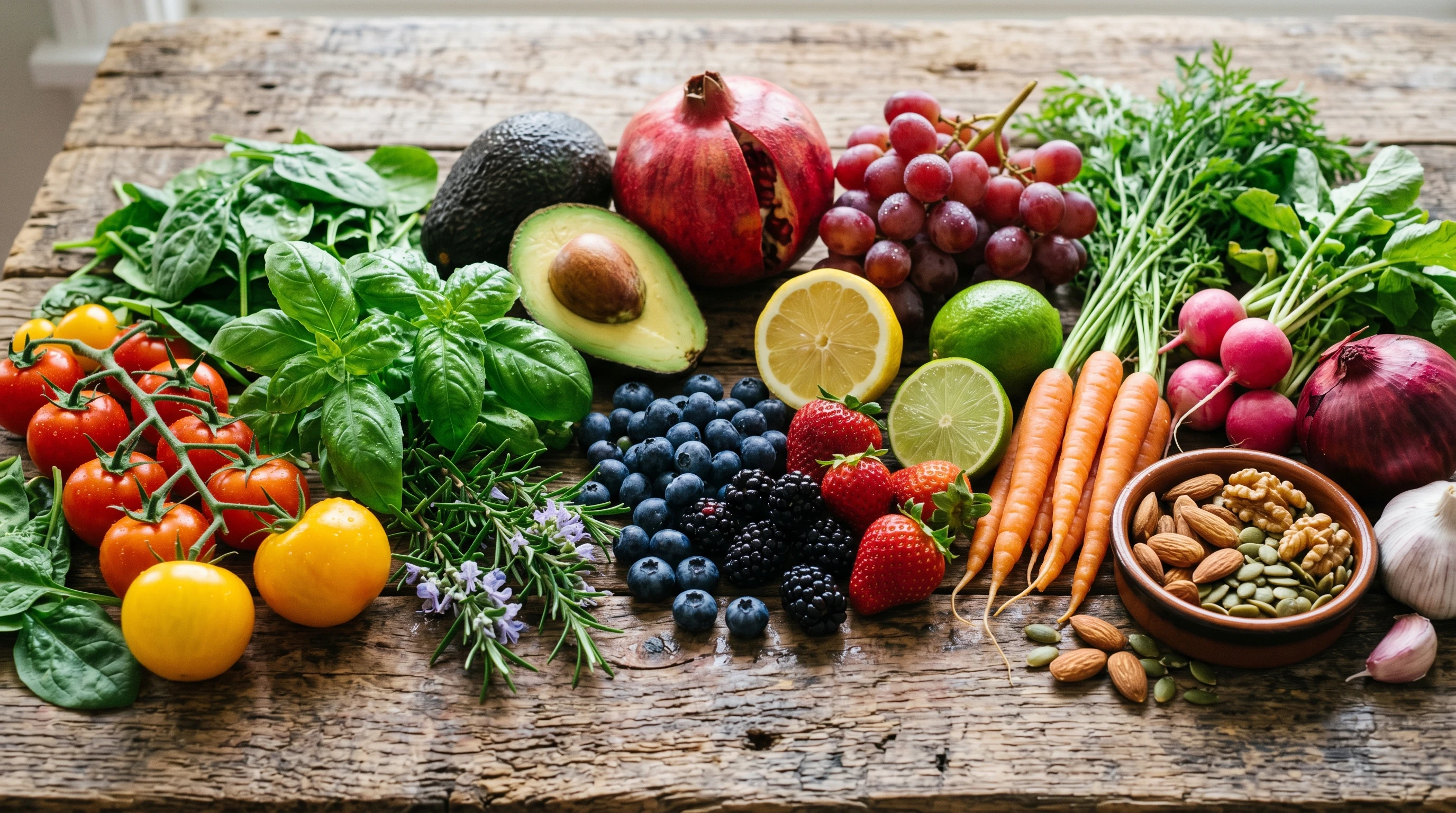
Understanding Inflammation and How Food Matters
Our bodies use inflammation as a natural way to defend against infections or injuries. But when inflammation sticks around too long, it creates problems. This is called chronic inflammation, and this is what I had. Chronic inflammation can lead to or worsen conditions like PMR, arthritis, or even heart disease. I found that what I ate played a big role. High-sugar foods, white bread, pastries, sodas, processed snacks, and many takeout options started triggering aches and exhaustion for me. Research has shown that these foods often cause spikes in blood sugar, which can then promote inflammatory responses in the body.
Science supports this. Studies point out that diets full of refined carbs, sugars, and industrial oils often increase cytokines, proteins that signal the body to create more inflammation (Harvard Health). By reducing the intake of these foods and focusing on anti-inflammatory options, I noticed my pain and stiffness got better within a matter of weeks.
My Switch to a Low Carb, Whole Food Focused Diet
It took some trial and error for me to find what really helped. Dropping high carb and overly processed items meant picking up more vegetables, healthy fats, nuts, berries, meats, fish, and eggs. My kitchen became a mix of colourful produce, olive oil, avocados, seeds, and fresh herbs. I avoided deep fried food and anything with a long list of unpronounceable ingredients.
Some people hear “low carb” and picture extreme restrictions, but I found balance. The focus moved away from bread, pasta, rice, and sugar heavy snacks, and went toward simple, nutrient dense meals. Instead of cereal in the morning, I chose eggs with sautéed greens. For lunch and dinner, I looked for chicken, salmon, or bean rich salads. I also learned to read food labels carefully; many “healthy” products hid added sugars or processed oils that could trigger inflammation.
Changing my approach was tough at first, but as my meals became cleaner, my body responded with less swelling and more steady energy. My cravings changed gradually, and I started to enjoy the natural flavours of simple, real food.
How Processed Foods Make Inflammation Worse
Processed foods are often made to taste good and last longer on shelves, but they trade off nutrition for flavour and convenience. These foods usually contain trans fats, high fructose corn syrup, preservatives, and lots of added salt and sugar. These ingredients can increase inflammatory chemicals in your body. For me, even a few days of snacking on cookies or microwaveable meals meant waking up stiff and sore.
Whole foods, in contrast, gave me steady energy and fewer flareups with my polymyalgia rheumatica. I noticed that after a week of eating simple food, like stews made from fresh vegetables and fish, or homemade nut bars, I felt more mobile, less foggy, and had fewer mornings stuck in bed.
The more I read about inflammation, the more it made sense that heavily processed snacks and ready-made meals would lead to trouble. A helpful trick was keeping easy-to-grab healthy snacks like boiled eggs or carrots with hummus ready at home.
Everyday Steps That Reduced My Inflammation
Simple changes worked best for me. Here are steps I used that anyone can try to keep inflammation low and possibly improve the symptoms of polymyalgia rheumatica.
- Say no to sugary drinks and snacks: I swapped sodas and packaged desserts for water, herbal teas, or fresh fruit when craving something sweet.
- Make whole foods the hero: Shopping the perimeter of the grocery store, where fresh veggies, fruits, eggs, and fresh meats are, helped me avoid the eye catching packaged foods in the middle aisles.
- Prep meals ahead: I set aside time each week to chop vegetables and prep other whole food produce, so I’d always have easy, healthy choices on hand and less temptation to grab junk food.
- Rethink breakfast: Instead of toast and jam, I leaned toward eggs with spinach or a smoothie made from greens, berries, and a splash of milk. This gave me lasting energy without sugar spikes.
- Use herbs and spices for flavour: I learned to boost taste with turmeric, ginger, garlic, and cinnamon. Turmeric and ginger both have anti-inflammatory benefits, and using them in my meals made my food more exciting without extra calories or sugar.
When these changes became routine, my mornings started with less pain and more alertness, and my evenings were far less sluggish.
Common Challenges When Changing Diet for PMR
Changing what I ate did not happen overnight. These are the challenges that I faced, with some tips that might be useful:
- Cravings for comfort foods: The first two weeks were tough. When I wanted sweets or crisps, I distracted myself by doing something active or making a healthy snack, like a handful of nuts.
- Eating out with others: Social situations sometimes made it tricky. I started suggesting restaurants with good wholefood options, or I checked menus online and picked grilled proteins, healthy fats and vegetables.
- Time crunch: Quick meals are important. I learned to batch cook big pots of chilli or roast a tray of mixed vegetables, so there were always leftovers ready to reheat.
- Budget concerns: Whole foods can seem more expensive, but I shopped in season produce and bought in bulk. Local farmers markets were a great resource, and I found store brand options lowered costs too.
Staying Consistent and Motivated
There were days when I wanted old favourites or felt tired of cooking. Reminding myself of how much better I felt when sticking to whole foods kept me on track. Support from online groups with others dealing with PMR and inflammation also provided inspiration when I needed it most. Sharing ideas and recipes with people on the same path gave me extra motivation to keep at it, especially when progress felt slow.
Expert Tips for Lowering Inflammation Through Diet
Learning how others approach inflammation, I picked up a few expert tips that made a real difference.
Focus on good fats: Avocados, nuts, and especially omega 3 rich fish (like salmon, sardines, and mackerel) were great additions. These healthy fats certainly seem to help slow inflammation, I certainly noticed a difference when adding good healthy fats to my diet and ditching the industrial seed oils like vegetable oil and sunflower oil.
Eat more fibre: Vegetables, fruits, and seeds not only help digestion but keep blood sugar stable. I found this kept my energy up and helped prevent the ups and downs that can fuel inflammation.
Go for colourful meals: Brightly coloured produce like berries, leafy greens, and root vegetables bring lots of antioxidants that help protect cells against inflammation. Making meals look inviting also made me excited to eat well.
Stay hydrated: Drinking enough water each day made a difference in how stiff I felt, especially first thing in the morning. If plain water got boring, I sometimes added lemon, cucumber slices, or a sprig of mint for a fresh taste.
How These Diet Changes Improved My Polymyalgia Rheumatica
Within two months, the routine aches in my shoulders and hips started to fade. I had more good days than bad, and doctor visits showed lower markers of inflammation on my blood tests. While PMR often involves taking medication like corticosteroids, I found that diet helped reduce my reliance on medicines and helped manage any side effects.
Friends and family noticed my higher energy and improved mood. Watching these changes happen has made me want to share my approach with others facing similar inflammatory conditions. Making better dietary choices doesn’t promise a complete cure for everyone, but it provided me real improvements and gave me more control over my health. Tracking symptoms in a daily journal also helped me see how what I ate linked to how I felt, and helped me spot patterns in which foods made things better or worse.
Frequently Asked Questions
Question: Why does sugar make inflammation worse?
Answer: Eating foods with added sugar can trigger a spike in blood sugar and cause inflammation. It’s common for processed foods to hide sugars under different names, so reading labels is really important.
Question: Can changing my diet replace my medication?
Answer: Always work with your doctor before making big changes. For me, diet worked a treat, but everyone’s needs are different. Dietary improvements supported my healing and gave me back my life, it is the best decision I have ever made.
Question: What are some easy anti inflammatory recipes?
Answer: Simple stir fries with broccoli, chicken, and turmeric; a Greek salad with olive oil; or Greek yoghurt with, walnuts, chia seeds and berries are favourites that I keep returning to. Another go-to is roasted sweet potatoes tossed with olive oil and rosemary, which is both filling and gentle on inflammation.
Final Thoughts on Inflammation and PMR
Reducing inflammation with smart, whole food choices helped me live better with PMR. Adapting my meals gave me real results, less pain, more movement, brighter days, and fewer flare ups. Simple swaps made the biggest difference. Anyone interested in trying this approach can start small and notice gradual benefits over time. Trust your body; every healthy change, no matter how minor, can add up to a real improvement in how you feel.