
Ultra processed foods (UPF’s) are everywhere these days, from quick breakfasts like sugary cereals to those handy frozen dinners or snacks with a never ending list of ingredients. When it comes to UPF’s and weight gain, there’s more going on than just eating too many calories. The way these foods are made, what’s inside them, and how our bodies respond to them all play a part in making it easier to pack on those extra pounds.
What Makes a Food Ultra Processed?
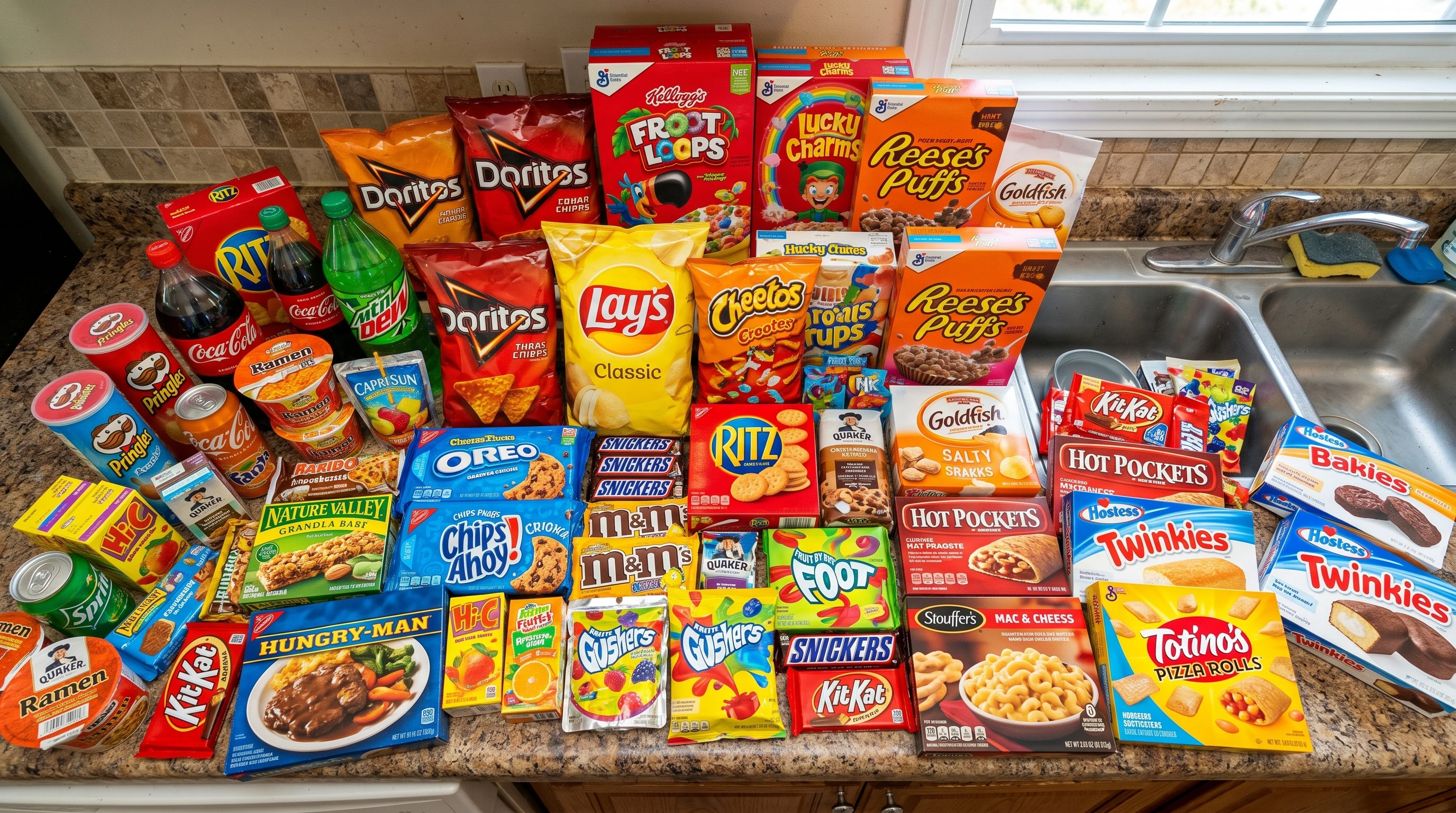
Not every processed food lands in the same bucket. Basic processing, like freezing vegetables or pasteurising milk, doesn’t make something unhealthy. Ultra processed foods are different because they’re packed with added sugars, fats, artificial flavours, emulsifiers, preservatives, and lots of things you wouldn’t find in a regular kitchen.
This group includes sweets, cakes, soft drinks, chips, burgers from fast food joints, and all sorts of packaged convenience meals. Scientists and public health experts often refer to the NOVA classification, which sorts foods by how much they’ve been altered. UPF’s are usually at the far end of the scale because they’ve been so heavily modified.
Why Ultra Processed Foods Lead to Weight Gain
Eating lots of UPF’s has been linked to gaining weight and developing obesity. Here’s a look at why these foods have this effect:
Calorie Density Without the Fullness
Ultra processed foods typically combine refined carbs and cheap fats, creating snacks and meals that deliver a lot of calories in a small package. It’s so easy to eat a bag of crisps or down a soda without really feeling full. These are what many call “empty calories.” They provide a burst of energy but don’t keep you satisfied for long. It’s easy to overeat these foods since you don’t get the fullness you would from whole foods.
Low Fibre and Protein
Whole foods like fruits, vegetables, beans, and lean meats contain fibre and protein you need to feel satisfied. Most UPF’s are stripped of these nutrients. Without fibre or enough protein, it’s harder for your body to register when it’s full, so you’re left feeling hungry soon after eating. You might eat more just to chase that feeling of fullness. Plus, diets lacking in fibre can slow digestion and make it harder to keep a steady appetite. Most UPF’s are typically soft in texture and very easy to eat as they have little to no fibre in them and take very little chewing, which again leads to overeating.
Hidden Sugars and Fats
Take a close look at the labels on most UPF’s and you’ll find lots of added sugar, saturated fat, and salt. These ingredients make snacks taste great, but your body processes sugar quickly and you’ll likely get hungry again soon, setting you up for another snack binge. Liquid calories, like soda or sweetened coffee drinks, make this even worse since they don’t fill you up like solid food. That can lead to consuming far too many calories without even noticing.
Highly Palatable and Easy to Overeat
UPF’s are designed to be irresistible. Food scientists fine-tune flavour, crunch, sweetness, and mouthfeel in ways that your taste buds just can’t resist. Whether it’s the perfect blend of salty and sweet or that satisfying crunch, these foods are made to trick your brain’s reward system. The more you eat, the more you want, even if you’re not truly hungry.
Low Nutritional Value
UPF’s often lack essential vitamins, minerals, and other nutrients. You could be eating plenty of calories but still come up short on the nutrition your body needs to work well. When your body senses something is missing, cravings can get stronger, making you more likely to snack and overeat. Whole foods give you fibre and a range of nutrients, helping to keep you fuller for longer and satisfying your nutritional needs.
How UPF’s Mess With Hunger Signals
The way UPF’s are put together actually messes with hunger and fullness cues, making it hard for your body to know when to stop eating.
- Fast Digestion: UPF’s are often digested super quickly. You don’t stay full, and hunger returns much sooner than if you’d eaten a bowl of oats or a piece of chicken with veggies.
- Blood Sugar Spikes and Crashes: Lots of refined sugars cause a burst of energy followed by a blood sugar dip, which makes you feel tired and more likely to reach for yet another snack.
- High Glycemic Index: UPF’s tend to have a high glycemic index, sending blood sugar levels up fast. This constant roller-coaster can push you to eat more, leading to extra weight gain over time.
- Distorted Portion Sizes: Packaging and portion sizes often play mind games, making servings look smaller than they really are. Before you know it, you’ve eaten a double or triple serving.
UPF’s Are Made to Be Addictive
Manufacturers work hard to come up with combinations of sugar, salt, and fat that keep people hooked and coming back for more. This is sometimes called the “bliss point.” It’s that sweet spot where food tastes so good, you want another bite, even if you’re already full.
Research shows that cues from packaging, marketing, and even the sound of a chip crunching can make you crave ultra processed foods. This drives “mindless eating,” where you keep eating without even noticing. It’s not just about willpower; these foods are literally engineered to keep you reaching for the next bite.
Why Eating UPF’s Means You’re Always Hungry
If you feel hungry all the time, even after a meal or snack, there’s a good chance UPF’s are part of the problem.
- Poor Satiety: Low fibre and protein content in UPF’s mean you don’t stay full. You eat more frequently, bumping up your daily calorie intake.
- Artificial Ingredients: Emulsifiers, stabilisers, and artificial sweeteners may also impact gut health, according to studies. Poor gut health can send mixed signals to your brain about hunger and fullness.
After eating something sugary or starchy with little protein or fibre, you might feel a burst of energy, then suddenly feel low and hungry again. It’s a cycle that’s tough to escape if most of your diet is made up of UPF’s. Some research suggests that repeated exposure to highly processed foods also trains your body to crave them more, making it challenging to switch back to whole foods.
Health Risks Beyond Weight Gain
Gaining weight is just one consequence of eating a diet high in ultra processed foods. Diets full of UPF’s have also been linked to a higher risk of type 2 diabetes, heart problems, certain cancers, and even problems with mental health. Eating these foods regularly can also lead to inflammation in the body, which is connected to a broad range of chronic diseases.
UPF’s often push healthy options like whole grains, fresh fruits, and veg out of your diet, leaving you short on the things that keep your body running smoothly. Even if you’re not gaining weight, you’re still putting your health at risk by eating lots of foods with poor nutrition. Over time, this could result in low energy, weaker immunity, and poor gut health.
How to Replace UPF’s With Real Foods
Moving away from ultra processed foods isn’t about suddenly cutting all snacks or never enjoying a treat. It’s about making small swaps that add up to bigger changes.
- Swap sugary cereals for oatmeal with fruit.
- Switch out white bread for wholegrain versions.
- Snack on nuts, fruit, or veggies instead of crisps and candy bars.
- Pick water or unsweetened drinks over sodas or sweet teas.
- Look for simple ingredient lists; if you can pronounce and recognise what’s in your food, you’re on the right track.
- Plan simple meals ahead of time, like salads with a variety of veggies or roasted chicken with brown rice, to make healthy eating easier.
- Try batch cooking on weekends so you have wholesome meals ready during the busy week, helping you skip the convenience of UPF’s.
Frequently Asked Questions
Why are ultra processed foods so common?
UPF’s are cheap to produce, last a long time on grocery store shelves, and taste really good. They’re convenient for busy lifestyles, which makes them very popular. Marketing also plays a big role, making these foods even more attractive to shoppers of all ages.
Do all processed foods cause weight gain?
Not all processed food is unhealthy. Freezing or canning vegetables, for example, doesn’t add loads of sugar, salt, or fat like ultra processed foods do. There’s a big difference between having some frozen berries and eating a prepacked chocolate pastry.
Is it okay to have UPF’s sometimes?
Eating these foods once in a while probably won’t make a huge difference if you’re mostly eating whole foods. Problems usually pop up when UPF’s are a big part of your everyday meals and snacks. Enjoying an occasional ice cream or pizza is fine, but try to keep the bulk of your diet focused on real, wholesome foods.
Whole Food Diets: The Way to Go
Focusing on a whole food diet sets you up for better health and helps manage weight without feeling hungry all the time. Think real fruits and veggies, whole grains, nuts, lean meats, fish, eggs and dairy, if you eat it. These foods are loaded with nutrients that fill you up, help you stay energised, and keep your body feeling good long after you eat. Cooking more at home can also help you control what goes into your meals and limit hidden sugars and fats.
Ultra processed foods might be easy and tasty, but the trade off is feeling hungry, eating more, and ending up with extra pounds you didn’t want in the first place. Moving toward a whole food approach is a simple way to support your body and mind, while avoiding the issues that come with a diet full of UPF’s. Over time, making small, consistent choices in favour of REAL foods will not only help you manage weight but also boost your overall health and well-being.