
If you’ve been digging into the ketogenic diet, you’ve probably heard people talk about something called “keto flu”. This is a really common part of starting keto, and many people run into it in their first week. Keto flu doesn’t actually have anything to do with the real flu, but the symptoms do feel a bit similar. Here’s exactly what’s happening, what to expect, and some simple fixes that help your body adjust more smoothly.
What Is Keto Flu?
Keto flu is just a nickname for the set of side effects that some people feel when they switch from eating lots of carbs to eating very few. When you cut back on carbs, your body has to switch over from burning sugar for energy to burning fat instead. That process is called ketosis. During that transition, things can feel a bit rough for a few days.
The most common symptoms people talk about are headaches, tiredness, difficulty concentrating (sometimes called ‘brain fog’), dizziness, irritability, muscle cramps, and sometimes issues like trouble sleeping or nausea. It really does feel a lot like you’re coming down with something, even though you’re not actually ill. But don’t panic!
How Long Does Keto Flu Last?
One of the best bits of news about keto flu is that it never lasts very long. For most people, these symptoms show up during the first two to five days on keto, although everyone’s a bit different. Some people barely notice anything, while others might feel rough for about a week.
Once your body gets the hang of running on fat instead of carbs, the symptoms ease up. If you’re worried, just remember these side effects are only temporary. There are some easy ways to make them more manageable, so don’t get discouraged early on.
Why Do People Get Keto Flu?
The main reason keto flu shows up is because your body is adjusting to two big changes: a drop in carbs and changes in water and salt balance. Here’s what’s happening behind the scenes:
- Water loss: Carbs make your body hold onto water. When you stop eating them, you drop water weight fast, and along with the water, you lose electrolytes like sodium and potassium.
- Electrolyte changes: Electrolytes are minerals that help with things like muscle movement and nerve signals. If you don’t replace these, you can get headaches, cramps, and weakness.
- Energy switch: Your body needs a few days to build up the enzymes that burn fat for fuel. Until it gets there, your energy can slump and your mood can get a little unpredictable.
Some other factors can play a part too. For example, if you were eating lots of processed foods or sugar beforehand, the drop-off can be more dramatic. It takes a little time for your system to adjust, but it gets easier with each passing day.
Common Keto Flu Symptoms
Most people will only get a few symptoms, and they’re usually pretty mild. Here’s what you might notice, especially in the first week of trying keto:
- Headaches
- Feeling tired or sluggish
- Dizziness or feeling faint
- Difficulty concentrating
- Muscle cramps or twitching
- Irritability or mood swings
- Feeling a bit sick or queasy
- Struggling to sleep
The good news is that these fade quite quickly, and there are some straightforward tricks to make them less noticeable while your body is adjusting.
Simple Ways to Manage Keto Flu
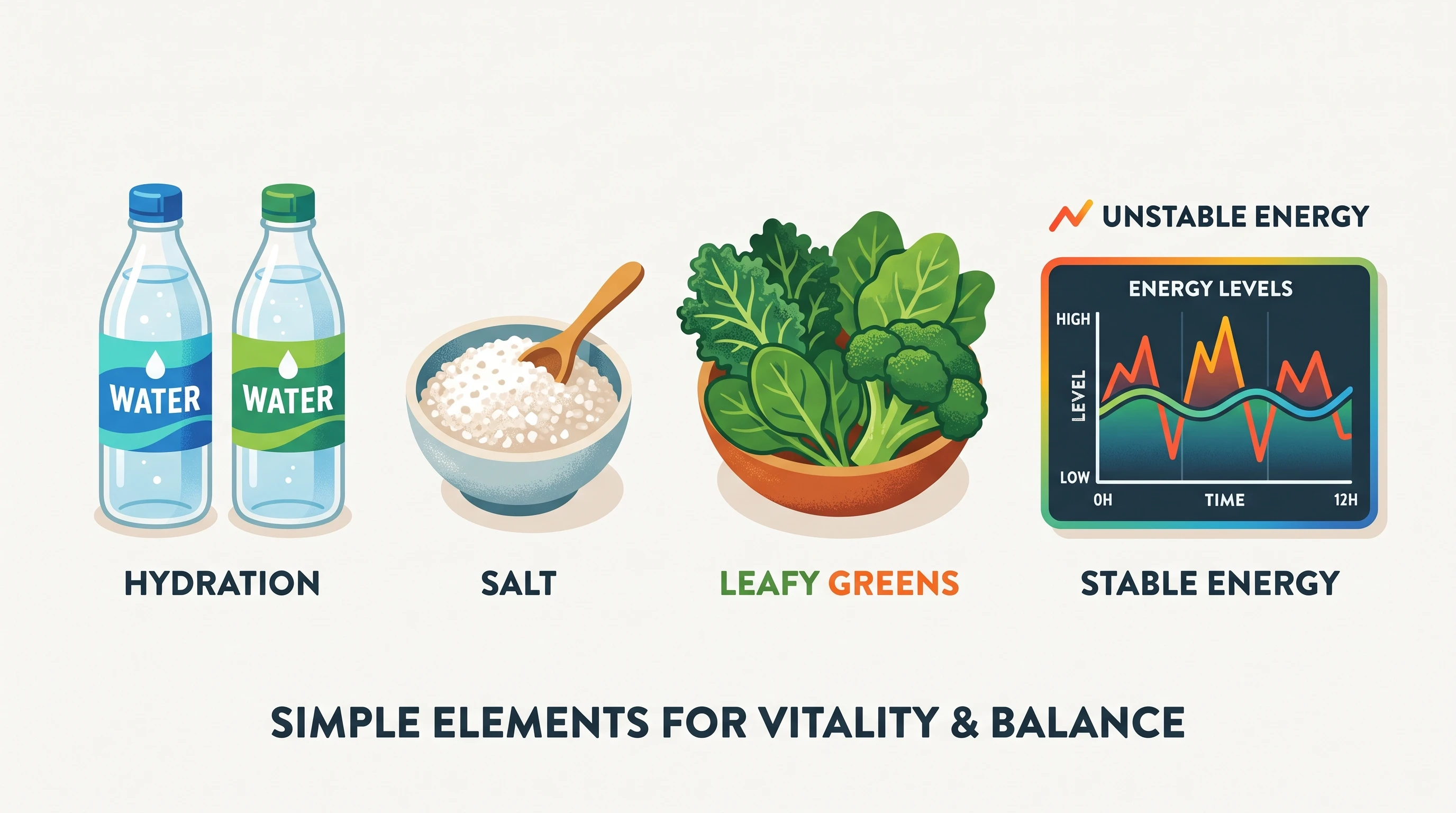
I’ve found that the fastest way to stop keto flu symptoms is to focus on hydration and upping your salt intake. Most of us aren’t used to adding extra salt to our food, but when you drop carbs, you actually need a little more than usual. Here’s what really helps:
- Drink more water: Aim for around two to three litres a day to replace what you’re losing.
- Get enough salt: Sprinkle a bit extra on your food (a half teaspoon spread out across the day is usually about right). Some people even stir a pinch into a glass of water if they feel a headache coming on.
- Eat foods higher in potassium and magnesium: Foods like leafy greens, avocados, and nuts help top up these minerals and reduce cramping.
- Ease into keto if you want less of a shock: If you’re nervous about getting symptoms, try lowering your carbs gradually for a week or two before jumping in.
If you still feel rough after five days, it might be worth taking a short break and then trying again, or just increasing your carb intake a bit. Not everybody needs to power through if it feels really unpleasant.
Some people also find that gentle movement, like stretching or slow walks, can help ease symptoms. Avoiding caffeine and alcohol during your first week may also smooth the way and make symptoms less intense. Carrying snacks high in healthy fats, such as a small pack of nuts or a slice of cheese, can also help keep your energy up during slumps.
Things To Consider Before Starting Keto
Keto comes with a lot of hype, but it’s not for everyone and the first week can really catch people off guard. Taking a few smart steps before switching over can help your transition feel far smoother.
- Think about your daily routine: If you’re planning a big event, busy work week, or travel, it’s probably best to start during a quieter time.
- Stock up: Make sure your kitchen has foods rich in electrolytes like spinach, avocados, seeds, and broth cubes. I always have a few bottles of water handy so I don’t forget to drink throughout the day.
- Adjust your exercise for the first week: Heavy workouts might feel way harder while you’re transitioning, so take it easy and go for light walks until your energy is back.
- Let your friends or family know: If you’re feeling moody or a bit spaced out, having support is really helpful. It’s surprising how much better it feels to know you’re not alone!
It’s also helpful to track simple self-care habits. Try keeping a basic journal where you note what you eat, when you get headaches, or how much you slept. This makes it easier to spot patterns and make adjustments the next day.
Hydration (And Getting Your Minerals Right)
It seems basic, but drinking loads of water and popping a bit more salt on your meals goes a really long way. You can stir a pinch of sea salt into a glass of water, or sip a cup of salty broth. If your muscles feel twitchy or you’re getting cramps, a quick fix is to snack on foods rich in potassium and magnesium, like pumpkin seeds or a handful of spinach.
Broths and herbal teas can be particularly comforting when you’re feeling under the weather, and they count toward your fluid goals. Just watch for packaged options that might have hidden sugars or carbs. If you want to go the simple route, boiling up some bones with a bit of salt can give you a rich, comforting broth that helps with electrolyte balance.
How I Got Through My First Keto Week
Personally, I found the first few days the hardest, especially while trying to work and focus. My best trick was to make sure I always had a bottle of water nearby. When a headache or tiredness crept in, I’d stop for a salty snack—olives or cheese worked great. Sleep is also really important; going to bed an hour earlier than usual helped me feel better by day four. After about five days, everything levelled out and my energy shot back up.
Sharing my plan with a friend who had done keto before meant I could moan about symptoms and get good advice in return. Having support, even a quick text exchange, made a real difference when I wondered if I should give up. Keeping an open mind and being patient with myself paid off, and by the end of the week, the new eating style began to feel natural.
Frequently Asked Questions
Here are a few questions people ask me most when they’re worried about keto flu:
Will everyone get keto flu?
Answer: Not always. Some people move into ketosis without any real symptoms at all. Others might feel a bit rough, especially if they were eating lots of carbs before. It really depends on your personal makeup and how fast you swap diets.
Can keto flu be harmful?
Answer: It’s uncomfortable, but it doesn’t cause lasting damage. If you start feeling really unwell or your symptoms last longer than a week, it’s worth chatting to your GP to make sure nothing else is going on.
Are there any shortcuts to avoiding keto flu?
Answer: The most reliable way is to drink plenty and keep up your electrolytes—water, salt, potassium, magnesium and calcium. Some people also use electrolyte supplements from the chemist, but most people don’t need them for more than a few days.
Keto Flu Doesn’t Last Forever
The idea of keto flu can sound worrisome, but for most people, it’s just a brief and manageable bump at the start of their keto adventure. Focus on good hydration, eat a bit more salt, get plenty of rest, and your body will adapt in just a few days. The difference in energy levels is worth it for lots of people. Always listen to your body, and if anything feels off, there’s no harm in slowing down and giving yourself extra time to adjust.