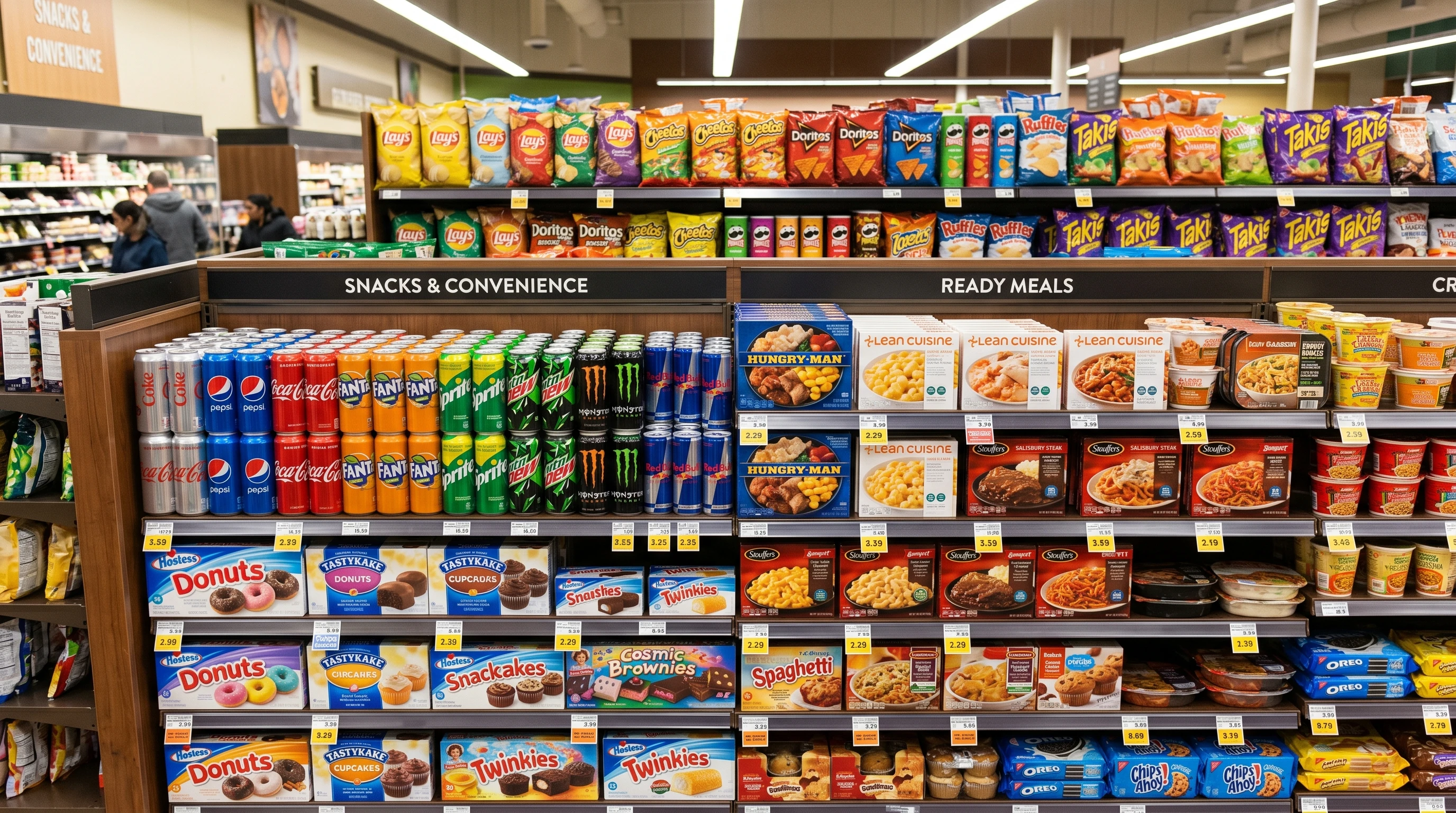
Ultra processed foods are everywhere in today’s supermarkets. These foods, like packaged snacks, sugary drinks, instant noodles, processed meats, and commercial baked goods, are designed for convenience and taste. However, making them a regular part of your diet can have a downside for both your physical AND mental health.
Understanding Ultra Processed Foods
When I talk about ultra processed foods, I mean products that have been heavily changed from their original form using additives, preservatives, artificial colours, and lots of sugar, salt, and fat. A simple example is a whole potato versus a bag of crisps. The crisps have gone through extra processing, lost nutrients, and picked up extra fat, salt, and flavour enhancers along the way.
Studies like those from the NOVA food classification system show that ultra processed foods often contain little or no whole ingredients. Instead, these foods are mostly made up of substances not found in any home kitchen, such as high fructose corn syrup or hydrogenated oils. This level of processing can affect how your body and mind function over time.
How Ultra Processed Foods Affect Your Body and Brain
Eating a lot of ultra processed foods doesn’t just impact your waistline. There’s growing evidence tying these foods to physical conditions like obesity, heart disease, and diabetes. What’s been getting more attention lately is how the food you eat changes your mental health, too.
The connection starts with the gut. The digestive system is home to trillions of bacteria and microorganisms. This group of tiny helpers is called the microbiome. A healthy microbiome relies on a mix of different microbes to support digestion, immune function, and even the production of important brain chemicals like serotonin. When you switch to a diet high in ultra processed foods, you can end up throwing this balance off.
The Microbiome: My Gut, My Second Brain
The gut is sometimes called the “second brain” because it communicates with your central nervous system through the gut-brain axis. This is a two way street. The brain sends signals to the gut, and the gut sends signals back. This connection plays a key role in regulating mood, stress, and mental function.
Ultra processed foods can disrupt the gut microbiome by lowering the number and variety of healthy bacteria. These foods are often low in fibre and high in sugar, fat, and artificial additives. Without enough fibre from fruits, vegetables, and whole grains, the good bacteria don’t get the food they need to thrive. Instead, less healthy microbes can take over, increasing inflammation and weakening the gut barrier. This can allow toxins and harmful substances to “leak” into the bloodstream, which in turn may affect your mental balance.
Mental Health and Diet: What the Research Shows
More researchers are paying attention to how what you eat can influence the state of your mind. A 2019 study published in the journal Nutrients found that people who eat more ultra processed foods have a higher risk of depression symptoms. And other studies have reported a possible link between ultra processed food intake and increased risk of anxiety and cognitive decline.
Researchers think this is mostly because of changes in the microbiome. When you eat lots of ultra processed foods, the gut can’t produce enough short chain fatty acids that help reduce inflammation in the brain. Instead, the gut may produce more inflammatory compounds, which can contribute to low mood, tiredness, and trouble thinking clearly.
Simple Steps for a Healthier Gut and Mind
Switching away from ultra processed foods doesn’t have to mean giving up convenience or taste. Small changes in how you shop, cook, and eat can make a big difference for both your gut and your mental health.
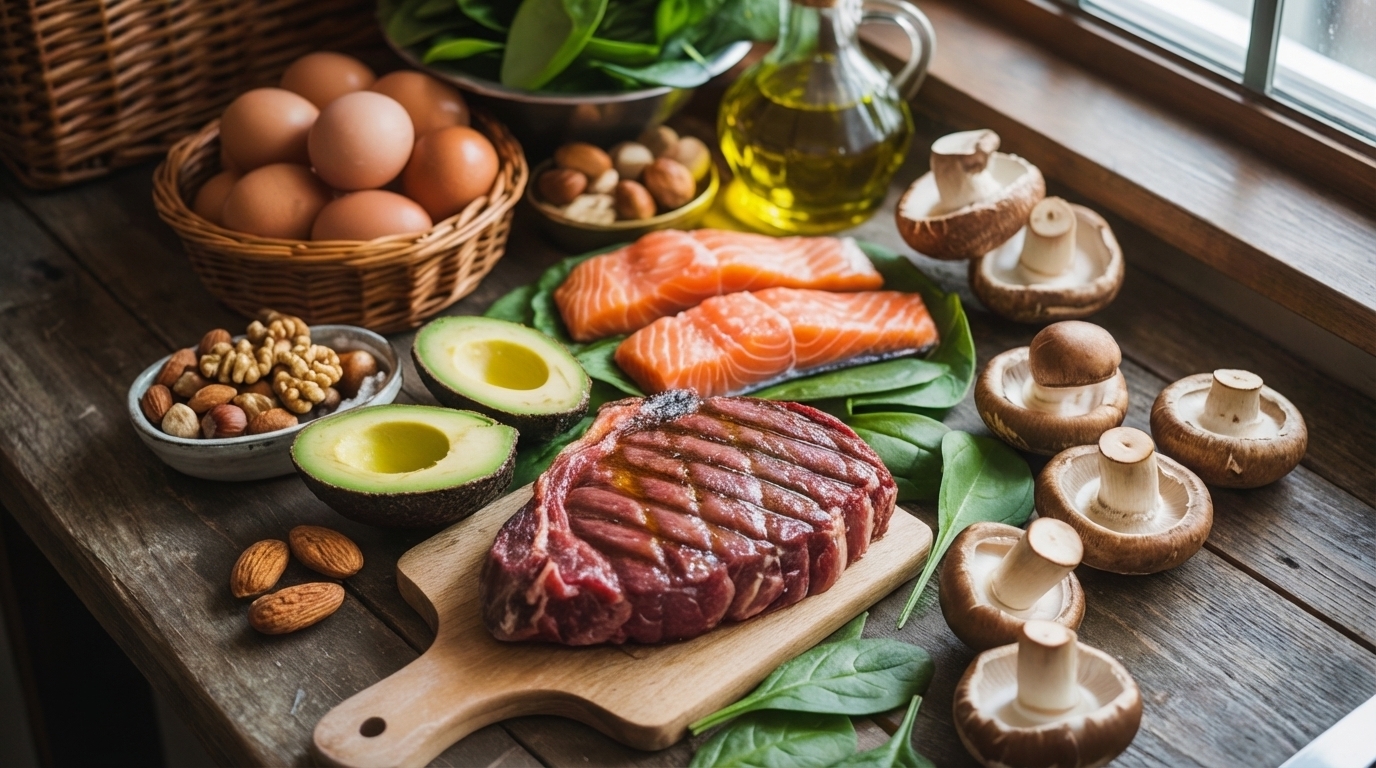
- Focus on whole foods: Choosing fresh fruits, vegetables, whole grains, nuts, seeds, and legumes helps feed the beneficial bacteria in the gut.
- Read ingredient lists: I always check the label. The longer the list and the more words I don’t recognise, the more likely it’s ultra processed.
- Cut back on sugars and additives: Swapping out sugary drinks and processed snacks for water, herbal teas, or fresh fruits can support a steadier mood and energy.
- Include fermented foods: Foods like yogurt, kefir, kimchi, and sauerkraut naturally contain probiotics that help restore gut health.
Possible Challenges and How To Handle Them
Eating fewer ultra processed foods isn’t always easy, especially when fast food is convenient, affordable, and sometimes even addictive. Here are some of the common hurdles I face and how I get around them:
- Cravings and habits: The flavours and textures in ultra processed foods are designed to be hard to resist. Planning healthy snacks and having them on hand makes a big difference for me.
- Budgeting: Whole foods might look pricier at first but choosing seasonal produce, buying in bulk, and minimising impulse buys saves money in the long run.
- Limited time: When I’m short on time, I reach for pre-cut vegetables, frozen fruits, and simple recipes that use quick cooking methods.
- Availability: Not every store stocks fresh, unprocessed foods in every area. In that case, I rely on frozen options or shelf stable items like beans and whole grains, which are affordable and just as healthy.
Dealing with Cravings
Cravings are a normal part of moving away from ultra processed foods. My body and brain are used to the sugar and salt spikes. I find that swapping in healthier snacks, drinking enough water, and eating regular meals with enough protein and fibre help keep cravings at bay.
Reading Food Labels
This step is really important. Terms like “natural flavours,” “modified starch,” or “partially hydrogenated oils” are red flags for ultra processing. I give priority to foods with short ingredient lists and real, whole ingredients where possible.
Better Food, Better Mood: Practical Examples
I’ve seen first hand how changing what I eat improves how I feel. After switching out my afternoon bag of crisps for a handful of nuts and fruit, I find my energy stays more steady. My concentration in the afternoon is better, and I don’t hit that slump as often. Family and friends who took steps to reduce their intake of ultra processed foods report fewer mood swings and more regular sleep patterns as well.
- Energy: Less reliance on quick hits from sugar or caffeine means more consistent energy.
- Clarity: Choosing foods with fibre and nutrients means fewer ups and downs in focus and memory.
- Mood: Supporting a healthy microbiome by eating varied, whole foods can help lower stress and even reduce symptoms of anxiety and depression.
Frequently Asked Questions
People I know often ask how they can start improving their diet to help both their physical and mental health.
Question: What counts as an ultra processed food?
Answer: If a packaged food product contains lots of added sugars, fats, artificial colours, flavours, and preservatives, it’s probably ultra processed. Things like crisps, cookies, sodas, sweetened breakfast cereals, and frozen meals fall in this category.
Question: How does gut health affect my mood?
Answer: The bacteria in my gut help produce chemicals like serotonin, which influence mood and mental balance. A disrupted gut can lead to less of these helpful chemicals and more inflammation, which isn’t great for my brain.
Question: Can I still eat my favourite snacks?
Answer: Enjoying a treat sometimes is completely fine. The issue comes when ultra processed foods make up most of my meals. Moderation and small swaps are the way to go.
Question: What are three easy swaps for ultra processed foods?
Answer: Try popcorn or roasted chickpeas instead of crisps, sparkling water or homemade iced tea instead of soda, and whole wheat toast with nut butter in place of packaged pastries.
Takeaway Thoughts
Switching away from ultra processed foods supports a healthier gut, which plays a big part in both your physical and mental health. By making small, steady changes, choosing more whole foods, watching ingredient lists, and supporting your gut microbiome, you will notice real benefits in mood, energy, and overall happiness. These changes add up over time and can help you feel your best both inside and out. With some simple habits, anyone can support their mind and body for the long run. Eating less ultra processed food is one change that pays off for both mental and physical wellness.