Junk food is a term thrown around a lot, often describing those appealing snacks that satisfy cravings with a quick sugar or salt fix. It’s common for people to reach for a bag of crisps or a chocolate bar during a busy day because they’re so convenient. But these foods often come with a cocktail of ultra-processed ingredients that can harm health over time.
What makes these snacks harmful is their heavy processing and abundance of unhealthy additives. Many junk foods are loaded with trans fats, high fructose corn syrup, and artificial preservatives that contribute to a range of health issues, from obesity to heart disease. Regular consumption of these items can lead to more than just a few extra pounds. Digestive problems, increase in LDL cholesterol, and blood sugar spikes are just some of the red flags.
Let’s look at popular junk foods like sodas, fast food burgers, and instant noodles. The common factor is that they often contain high levels of sugar, sodium, and saturated fats. These ingredients give junk food its irresistible taste but are also the culprits behind their unhealthy reputation. The alarming rise in diet-related diseases globally makes it clear that these tasty yet harmful snacks should come with a health warning.
The leading medical researchers have pointed out how these ingredients can wreak havoc on one’s body. Prolonged exposure to high-sugar or high-sodium diets contributes not only to weight gain but also to an increased risk of developing type 2 diabetes and hypertension. Understanding these connections is crucial to making informed food choices and safeguarding your long-term health.
From Craving to Reality: The Price of a Junk Food Habit
Eating junk food occasionally might seem harmless, but it can quickly turn into a habit that’s tough to break. The combination of sugar, fat, salt, along with tempting flavourings, found in these foods is designed to tickle the brain’s reward system, making them incredibly addictive. People often find themselves grabbing a bag of crisps or a chocolate bar without even thinking. These cravings can lead to consuming more junk food than intended, slowly creating a dependency.
This dependency isn’t just psychological—it affects the body too. The body starts to crave the fleeting energy spike from sugary and fatty foods, leading to a roller-coaster of energy highs and lows throughout the day. Many find it difficult to stick to nutritious meals when they’re always feeling an energy crash mid-afternoon, which ironically, can then lead to reaching for more junk food!
For some, this dependence has spiralled into serious health conditions. There are numerous stories of individuals who have battled with obesity, diabetes, and heart disease, often tracing their struggles back to a long-term junk food habit. These stories are a stark reminder of the personal health costs that come with unchecked consumption of unhealthy snacks.
Our society is, unfortunately, bearing the brunt of a junk food-heavy culture. The economic burden of treating diet-related diseases and related productivity losses is staggering. Healthcare systems are stressed, with rising cases of preventable illnesses linked to poor diet choices. It’s a grim picture, but one that highlights the urgent need for change.
Breaking free from a junk food habit is hard but achievable. Recognising and understanding these links between what we eat and how it affects our health is the first step toward making better choices.
Revamping Your Diet: Healthier Choices for a Better Life
Turning away from junk food doesn’t mean saying goodbye to flavour and enjoyment. There are plenty of healthy and tasty substitutes that can replace those unhealthy cravings. The transformation begins with small changes that can have a huge impact on your diet and overall health.
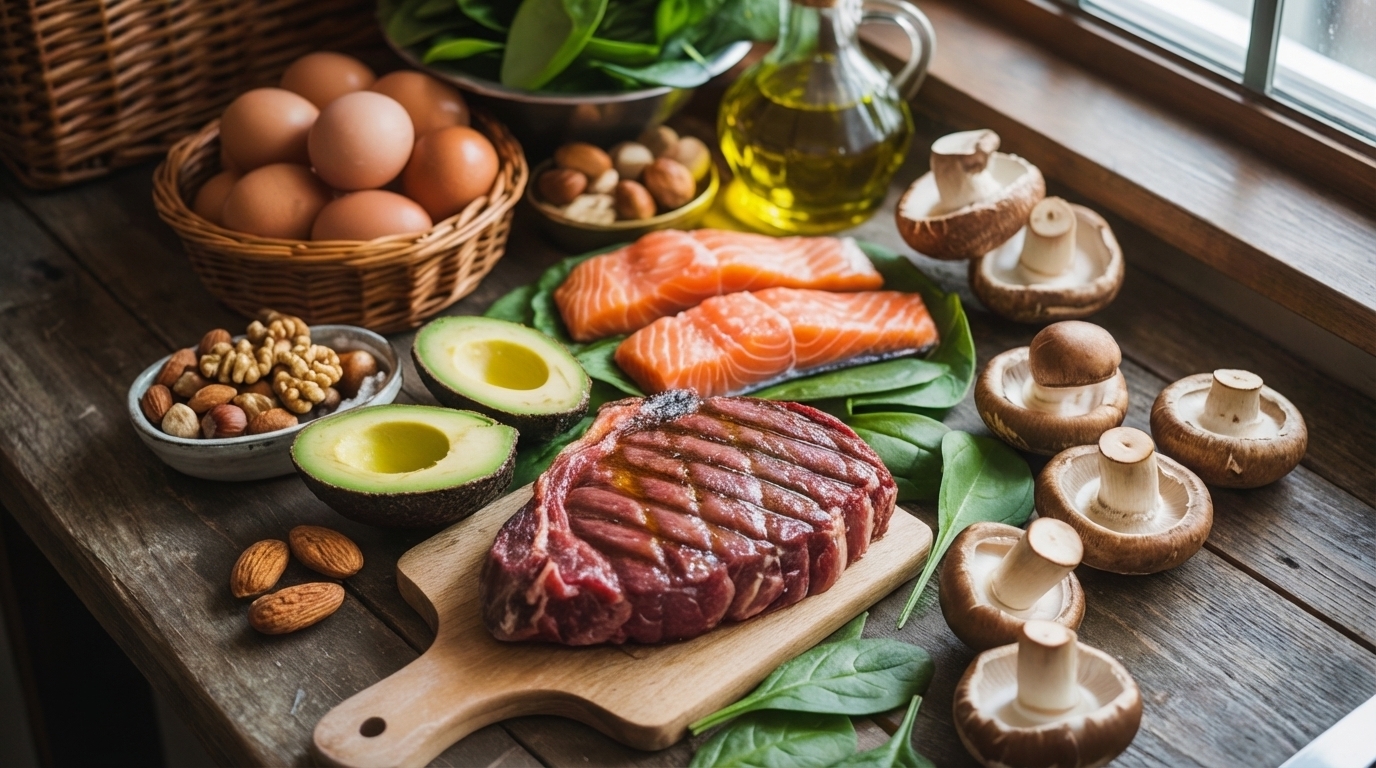
One of the easiest ways to make healthier choices is to keep your meals exciting. Foods like eggs, nuts, and avocados aren’t just nutritious but also incredibly versatile. Eggs can be enjoyed scrambled, boiled, or as part of a hearty omelette. Nuts make for a great mid-day snack and can be sprinkled over salads for some extra crunch.
Avocados such a great option! Packed with healthy fats, they’re perfect as a spread on toast or blended into smoothies. And who can resist a fresh guacamole? Incorporating these foods into your daily routine isn’t hard, and their natural richness will keep you satisfied longer.
Fruits, cheese, and yogurt offer a rainbow of flavours and are handy for on-the-go snacks or as part of a balanced meal. A handful of berries can elevate your morning yogurt, while a slice of cheese can round out a fruit platter. These swaps not only taste great but also provide essential nutrients that junk food lacks.
Making these healthy switches requires a mindset shift. It’s about seeing food as not just fuel but a way to nourish both mind and body. As you explore these healthier options, you’ll find that the benefits go beyond what’s on your plate, enhancing energy, mood, and overall well-being.
The Path to Lifelong Health: Making Sustainable Changes
Adopting healthier eating habits doesn’t have to be complicated. By gradually integrating nutritious foods into your diet, you set the stage for sustainable change. It’s about consistency more than perfection, and celebrating small victories along the way.
Support from family, friends, or even online communities can make a big difference. Sharing experiences and tips with others going through similar changes can be motivating. Having a support system helps stay accountable and encourages sticking to healthier choices when those junk food cravings hit.
Setbacks are natural—everyone faces moments of weakness. The key is to not give up after a slip-up, but to regain focus. Strategies like meal prep, keeping a food diary, or setting specific goals can keep you on track to achieving your health objectives.
As you continue embracing these changes, your body will start to thank you. More consistent energy levels, improved digestion, and better mood are just some of the perks that come with a nutritious diet. These improvements can enhance everyday life and contribute to long-term health.
On a final note and I can speak from experience how much a change of diet can impact on your health. I have been following a keto style diet with also eating only whole foods for the last 2 years since I was diagnosed with polymyalgia rheumatica (PMR) and the transformation has been amazing! My polymyalgia symptoms have gone into remission, I have lost 2 stone in weight, I have more energy, my joints don’t ache like they used to and I have a sharper brain and clearer skin. I would recommend following a whole food diet to everybody.