
Staying hydrated goes beyond just drinking water, especially if you’re active or live somewhere hot. To be honest I live in the UK (which I wouldn’t class as a tropical climate!) and I find staying hydrated has fantastic benefits to me. Electrolytes like sodium, potassium, and magnesium, are actually important components to incorporate into all our diets.
How Do Electrolytes Work in Your Body?
Electrolytes are minerals that carry an electric charge. The main minerals that get attention are sodium, potassium, calcium, magnesium, chloride, and phosphate. These minerals play a huge role, because your body uses them to keep your internal fluid balance steady, help your muscles work properly, and send nerve signals back and forth.
Every time you sweat, use the bathroom, or just breathe, you lose a bit of both water and electrolytes. If you lose too many and just gulp down water, you could upset the balance. That can leave you with low energy, difficulty focusing, or even heart rhythm issues.
Why Are Electrolytes Important for Hydration?
Drinking plain water works great for the day-to-day if you’re not sweating much. But if you’re working out, hiking all day under the sun, or feeling sick, your body sheds more than just water. It also gets rid of a good amount of electrolytes. Sodium helps your body hang onto water and assists in sending nerve signals. Potassium comes in to help your muscles and heart perform well. Magnesium joins the process by pitching in with your nerves and muscles, too.
Without enough of these important minerals, chugging lots of water can sometimes leave you feeling worse. I learned this lesson on a hot summer run. After guzzling water to “stay hydrated,” I felt dizzy and exhausted because I didn’t replace the salts I was losing. Adding electrolytes to my routine helped my energy bounce back so much faster.
Everyday Hydration: Do You Need Electrolyte Drinks?
Most people don’t really need fancy electrolyte drinks for everyday living. Eating a balanced diet provides plenty of electrolytes, especially if you enjoy fruits, veggies, nuts, dairy, and use some extra salt when you want it. On normal days at work or school, plain water usually does the trick.
Electrolyte drinks actually give a boost when you’re:
- Exercising hard: Running, cycling, or playing long games makes you sweat away water and salt quickly.
- Dealing with heat: Hot weather or time in a sauna ramps up sweat loss, so you’ll need a bigger electrolyte boost than usual.
- Sick or unwell: Vomiting, diarrhoea, or fever can quickly drain your system of key minerals, making a rehydration solution really useful.
If you only sweat lightly or have a short workout, a glass of water does just fine. For anything more, adding extra electrolytes starts making sense.
Getting Electrolytes from Food vs. Supplements
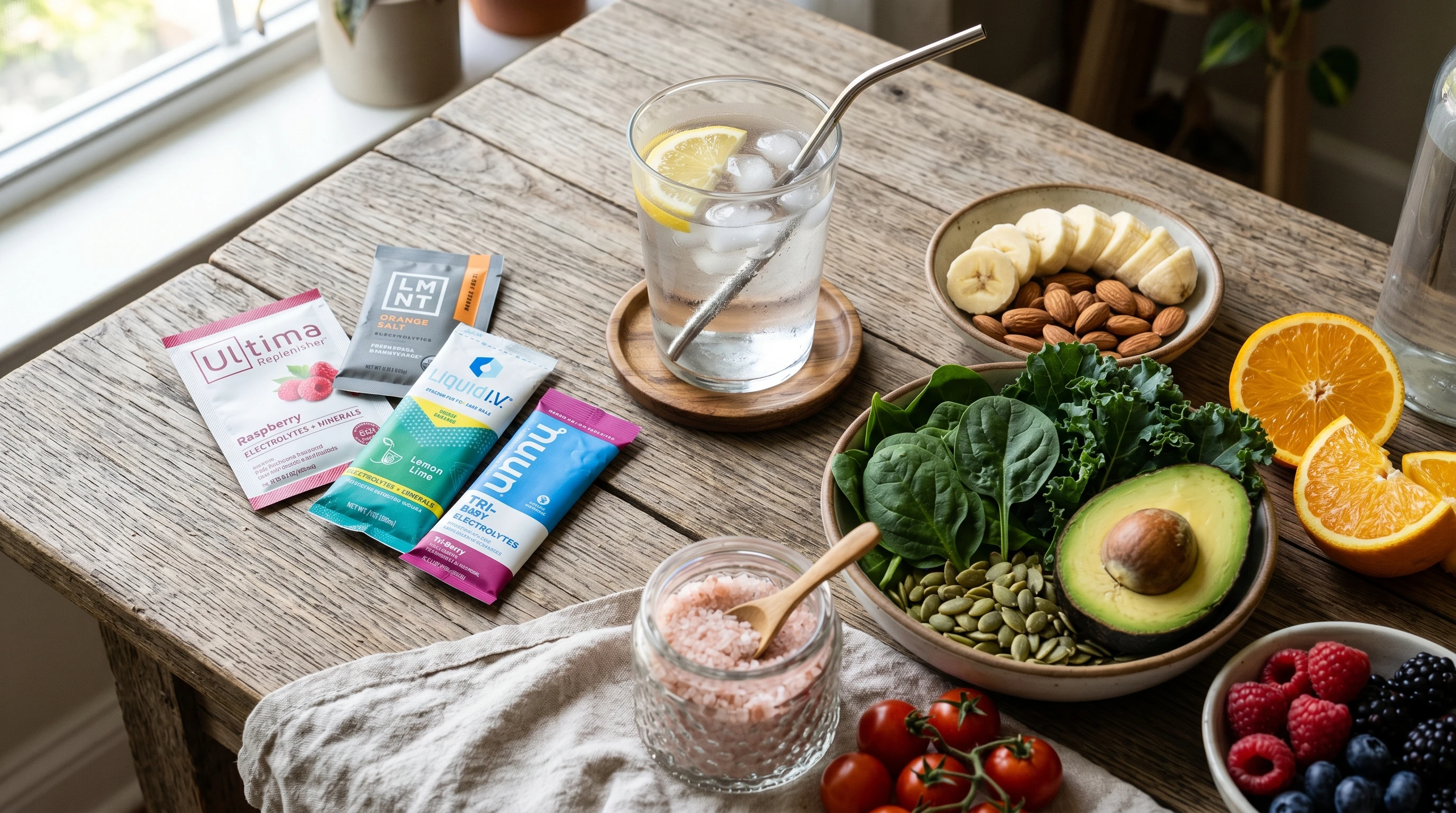
Browsing through the supplement aisle shows powders, tablets, and drinks promising speedy hydration and more pep. But you can get nearly all the electrolytes you need from foods already in your kitchen:
- Sodium: Salted nuts, pretzels, soups, or simply salting your meals more.
- Potassium: Bananas, oranges, potatoes, spinach, yogurt, and beans.
- Magnesium: Pumpkin seeds, almonds, whole grains, and those green veggies.
I keep it simple. When preparing for or during recovery after a sweaty workout, I’ll grab trail mix or a banana, and I ensure I salt my dinner sufficiently. For really long or gruelling sessions, I’ll drop an electrolyte tablet into my water. Don’t go overboard, though. Too much sodium can be a problem, especially if you have high blood pressure or kidney issues.
How to Spot Real Hydration Needs
How do you know when you really need to add more electrolytes? Spotting a few telltale signs can help:
- Muscle cramps or twitching
- Fatigue even after chilling out
- Dizziness or feeling lightheaded
- Headache
- Dark-coloured urine (also a clue of low water intake)
If you notice these after a tough session or after time in the sun, it’s a good moment for both water and some electrolytes—either through a drink or by eating salty, potassium-rich foods.
Choosing the Right Electrolyte Product
In stores or online, you’ll see a massive variety of products. Here’s what I focus on when picking an electrolyte drink or powder:
- 100-300 mg sodium per serving for major sweat sessions
- Some potassium (100-200 mg is about right)
- A touch of magnesium (even 10 mg helps, but a lot can annoy some stomachs)
- Low added sugar—a slight sweetness is fine for a pick-me-up, but not a sugar rush
Natural choices like coconut water offer potassium and some sodium, but for really sweaty workouts, they often don’t bring enough sodium to the table. A simple DIY mix I enjoy in summer is water, a squeeze of lemon, a pinch of salt, and a teaspoon of honey. Surprisingly effective for moderate hydration needs, and refreshing as well.
Are Electrolyte Drinks Safe for Everyone?
Most electrolyte drinks are safe for healthy adults and kids. But people with kidney, heart, or high blood pressure issues should ask a doctor before sinking back salty drinks. For people who don’t sweat so much, water is best, and a varied diet already has most minerals covered.
Some sports drinks come loaded with sugar and colouring, neither of which add any real benefits. I stick with mixes low or free in sugar, and naturally flavoured versions if I want something extra.
Quick Steps to Use Electrolytes for Better Hydration
Adding electrolytes to your healthy habits is pretty simple:
- Eat a wide range of fruits and vegetables every day. This helps get potassium and magnesium naturally.
- Salt your food as you like, especially if you’re regularly active or sweating. Your body tells you when it wants more salt by what tastes good.
- Use tablets or drinks with electrolytes during or after heavy workouts or hot days, but don’t go wild unless you’re losing lots of fluids.
- Tune into your body. If you’re tired, getting cramps, or dizzy, adding some electrolytes is worth a try.
- Skip high-sugar sports drinks when not really sweating—a lot of them have more sugar and salt than you need for normal hydration.
Practical Advice for Everyday Hydration
For most regular activities and moderate workouts, a good diet and water is usually plenty. When the activity ramps up for longer or when you’re sick and losing fluids, adding in electrolytes becomes key for fast recovery.
Pay attention to your thirst, include salty snacks or an electrolyte drink when needed, and keep things balanced. I like to keep a few single-serve packets in my gym bag and car, so if a hike gets unexpectedly challenging, I’m ready. No guessing about whether I’m getting what I need.
Frequently Asked Questions
Do I need electrolytes if I’m just drinking water at home or work?
Not in most cases. A solid diet covers your bases unless you’re sweating or losing a lot of fluid.
Can I drink too many electrolyte drinks?
Yes, especially drinks packed with sodium or sugar. More isn’t always better; stick with recommended servings if you have health conditions.
Are electrolytes good for kids?
They’re useful for hydration during sports or fevers, but check the sugar levels and talk to a paediatrician for regular use.
What are the best natural sources of electrolytes?
Bananas, potatoes, yogurt, nuts, and leafy greens deliver lots of potassium and magnesium. If you need sodium quickly, plain table salt works great.
Wrapping Up: The Role of Electrolytes in a Healthy Lifestyle
Electrolytes are key for keeping your body balanced, especially when you’re sweating or dropping fluids. Eating plenty of fruits, veggies, and touching up your food with a bit of salt is often enough. Electrolyte drinks or mixes play a helpful role on extra-tough days or for recovery after you’ve lost a ton of fluids. Magnesium supplements can also prove useful if you have been struggling with night cramps and are finding it hard to get a good nights sleep. Staying tuned to your body and acting before you’re thoroughly dehydrated can help you feel your best, whether you’re pushing limits at the gym, exploring a trail, or managing a busy day at work or home.