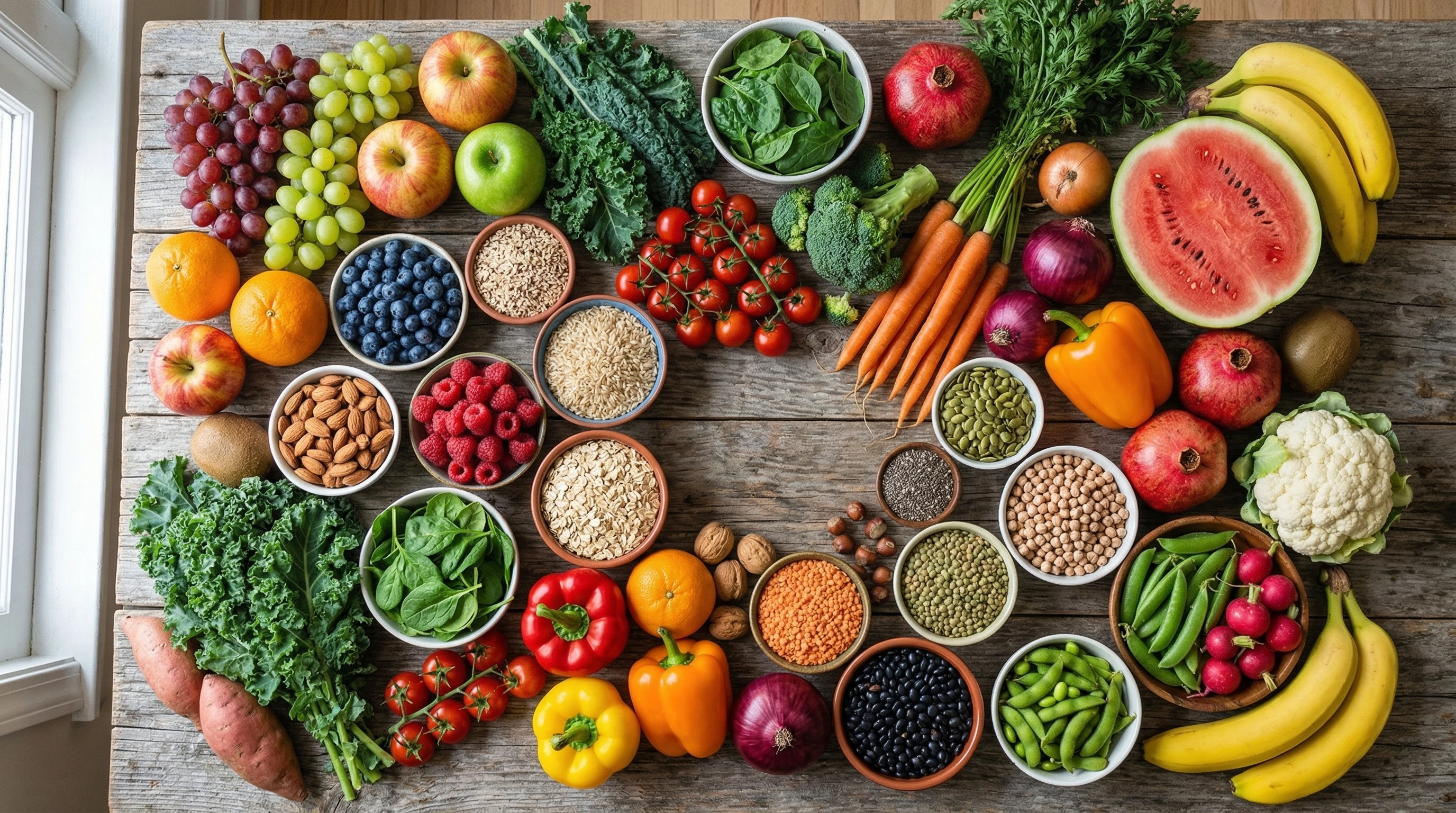
Whole foods are the real deal when it comes to fuelling your body. These are foods that look pretty much the way they did when they left the earth or the farm. Think whole fruits, vegetables, grains, beans, nuts, eggs, fish, and meat. The body actually recognises whole foods as proper food, gets more from them in terms of nutrients, and in turn, this is why they leave you feeling full and satisfied longer than their processed cousins.
What Makes Whole Foods So Satisfying?
Whole foods stand out because they haven’t had their fibre, water, or natural vitamins and minerals stripped away. When you eat an apple instead of apple juice or crackers, you’re biting into a complex bundle of nutrition that your body loves. The combination of fibre, water, and physical bulk takes up more room in your stomach and naturally signals to your brain that you’ve had enough.
There’s a good reason classic advice is to “shop the outer ring of the supermarket”. You’ll find all those fresh, nutrient-packed items there. These aren’t just empty calories. Your body actually uses the fibre, vitamins, minerals, fats and proteins in whole foods, so you walk away from a meal feeling fuelled instead of just full.
Plus, there’s an added bonus: whole foods often provide phytonutrients, the natural plant compounds that may give a boost to your health in subtle but significant ways. Choosing whole foods means you’re getting a wide range of nutrients in their natural balance. Your taste buds can get used to new flavours and textures, making meals an adventure rather than a routine.
How Fibre Helps You Stay Full
Fibre is like a secret weapon in whole foods. Foods like beans, lentils, apples, and oats are high in fibre, which slows down how fast food moves through your gut. That keeps blood sugar steady and means you avoid the quick hunger that comes with eating something super processed. Because fibre takes longer to digest, your stomach stays full for a longer stretch.
- Soluble fibre (like what’s found in oats and apples) traps water, forming a gel. This makes the food bulkier and harder to digest quickly, so you stay satisfied.
- Insoluble fibre (think whole wheat and some veggies) adds physical bulk and helps things move along in your digestive system. This physical presence keeps you from reaching for more snacks soon after eating.
Fibre isn’t just about keeping you regular—it’s a big player in how full you feel. Eating a diet rich in fibre has even been linked to better heart health and reduced risk of some diseases, so you’re doing more than just curbing hunger.
Whole Foods and Your Hunger Hormones
Whole foods actually do more than just take up space. They talk to your hormones. When you eat protein rich whole foods like eggs or chicken, or high fibre foods like chickpeas and broccoli, your body releases hormones that quiet cravings. Ghrelin, the hormone that signals “Hey, I’m hungry,” goes quiet when your stomach stretches with a full load of bulky whole foods.
On the flip side, processed foods tend to make you hungrier. Sugar and white flour cause quick spikes and drops in blood sugar. The crash afterwards triggers a wave of hunger, not exactly a fun cycle. With whole foods, digestion is steady, energy is consistent, and there are way fewer cravings.
This effect isn’t just about protein either. Healthy fats in foods like avocado, nuts, and oily fish give a boost to your sense of fullness and help to keep hormones in balance.
Proper Nutrition: What Your Body Recognises
Your body knows what to do with whole foods. When you eat foods that still have their natural structure and nutrients intact, digestion is smooth and nutrient absorption is higher. Your digestive system is used to dealing with foods in their natural forms, not just a rush of sugar or refined fat.
The body gets more nutrition from whole foods because things like fibre and natural plant compounds (called phytonutrients) help you extract vitamins and minerals efficiently. Processed foods, on the other hand, sometimes leave you nourished in calories, but not in nutrients. That’s why you might feel hungry again sooner—your body is still looking for the nutrition it didn’t get the first time.
Eating a variety of whole foods also means your body gets to make the most of a mix of vitamins and minerals in the combinations nature intended. This synergy can boost the effects of certain nutrients and leave you feeling nourished and balanced.
Why Processed Foods Miss the Mark
Processed foods often lose fibre, protein, and water during the process of making them shelf stable, portable, or more “fun.” Many times, extra sugar, oil, or salt is added along with many other dubious industrially created products, but what’s missing is the stuff that actually fills you up and tells your brain you’re eating something substantial.
- Foods like crackers, white bread, crisps, and soda digest so fast you barely feel satisfied. The calories show up quickly, but there’s not enough fibre or protein to balance things out.
- That’s why meals made up of whole foods, such as a vegetable packed stir fry, eggs, grilled chicken, fruit, and nuts, are more likely to be satisfying.
Highly processed foods are designed for convenience, but that often means more additives, less nutritional value, and the quicker return of hunger. Choosing whole foods more often means less crash-and-burn and more staying power throughout your day.
Cool Features of Whole Foods That Make Them Filling
There are some really neat reasons whole foods make better appetite stoppers:
- Water Content: Foods like cucumber, melon, tomatoes, and oranges are packed with water. High water content adds bulk with not many calories, so you can eat a lot and still feel light.
- Texture: Chewing takes effort, and it signals your stomach and brain that you’re eating. Whole foods tend to make you chew more; they’re crunchier or denser than refined foods. This slows eating down and helps you notice when you’ve had enough.
- Volume: A big pile of leafy greens or a bowl of hearty bean soup looks and feels like a real meal. Heavily processed foods, on the other hand, are often calorie dense but seem smaller on your plate.
These factors not only help you feel satisfied but can also make meals more enjoyable and mindful. Taking time to savour and chew your food is linked to better digestion and greater satisfaction overall.
How to Add More Whole Foods for Lasting Fullness
Adding more whole foods into meals isn’t complicated, and it doesn’t mean giving up pizza or burgers forever. Here are a few easy ways to boost that whole food power:
- Swap refined grains for whole grains. Try brown rice, quinoa, whole wheat pasta, or oats instead of white rice, white bread, or instant noodles.
- Add beans and lentils. Throw chickpeas into salads, toss lentils into stews, or use black beans instead of ground beef in tacos now and then. These are super filling and surprisingly tasty.
- Snack on whole fruits, not just juice. An orange is way more filling than a glass of orange juice, plus it won’t give as much of a blood sugar spike.
- Use nuts and seeds as toppings. Sprinkle seeds or chopped nuts on yogurt or salads for healthy fats that help slow digestion.
- Make veggies the star. Fill half your plate with veggies at meals. Roasted, steamed, or fresh, they bulk out your meal for very few calories.
Meal prepping with whole foods can also make it easy to keep healthy options on hand. Chopping veggies ahead, cooking a big pot of brown rice, or having some boiled eggs ready to go saves time and sets you up for success.
Real World Examples: Putting It All Together
Think about lunch options. A plate of grilled chicken, brown rice, and broccoli takes longer to eat and fills you up for hours, while a fast food meal with fries, a thin burger, and a soft drink can leave you hungry again before dinner. That real food plate provided fibre, protein, water, and volume. All good signals to your body that it’s been fed properly.
- Breakfast: Try oatmeal topped with berries and nuts instead of a toaster pastry.
- Lunch: Pack a whole grain sandwich stacked with veggies, or go for a grain bowl with beans, avocado, and a rainbow of veggies.
- Snacks: A handful of almonds with an apple is going to hold you way better than a bag of chips or cookies. Or go for some hard boiled eggs.
When you make a habit of building meals around these all in one choices, it gets easier to resist those less satisfying, processed options. You might also feel more energised and less foggy by keeping your blood sugar steady and avoiding energy slumps.
Frequently Asked Questions
Question: Is it more expensive to eat whole foods?
Answer: Not always! Buying in season produce, dry beans, and whole grains in bulk can be very affordable. Cooking at home with simple ingredients is easier on the wallet than many people think.
Question: Will switching to whole foods help with weight management?
Answer: Many people find that eating more whole foods helps naturally control portions and cravings, which can lead to easier weight maintenance or even gradual loss if that’s a goal.
Question: Can I still eat processed foods sometimes?
Answer: For sure. It’s all about balance. Adding more whole foods doesn’t have to mean never eating treats or packaged foods; it’s just a smarter base for most meals. The less processed foods you eat the better though.
The Takeaway on Whole Foods and Fullness
Eating whole foods is one of the simplest ways to help your body feel full and satisfied. The combination of fibre, water, protein, physical volume, and steady energy release is something your digestive system recognises and responds to well. You can eat plenty, feel great, and stick with it for the long run. No crash dieting or expensive products needed!
Swapping a few processed choices for whole foods each day can make a difference in your energy levels, hunger, and overall health. The next time you’re planning a meal or shopping for groceries, reaching for more whole foods is worth a shot. Remember, small changes add up over time and give your body the real food fuel it’s been asking for!