Eating whole foods feels a lot like putting the premium fuel in your car. Your body just runs better on it. With ultra processed snacks filling up grocery store aisles and life getting busier, real, unprocessed foods sometimes get left behind. I’ve noticed how big a difference whole foods make; energy, mood, even gut health all seem to improve when I stick to the basics. So here’s an all-in-one look at why whole foods are a better deal than processed ones, and why your gut will thank you for making the switch.
What Counts as a Whole Food?
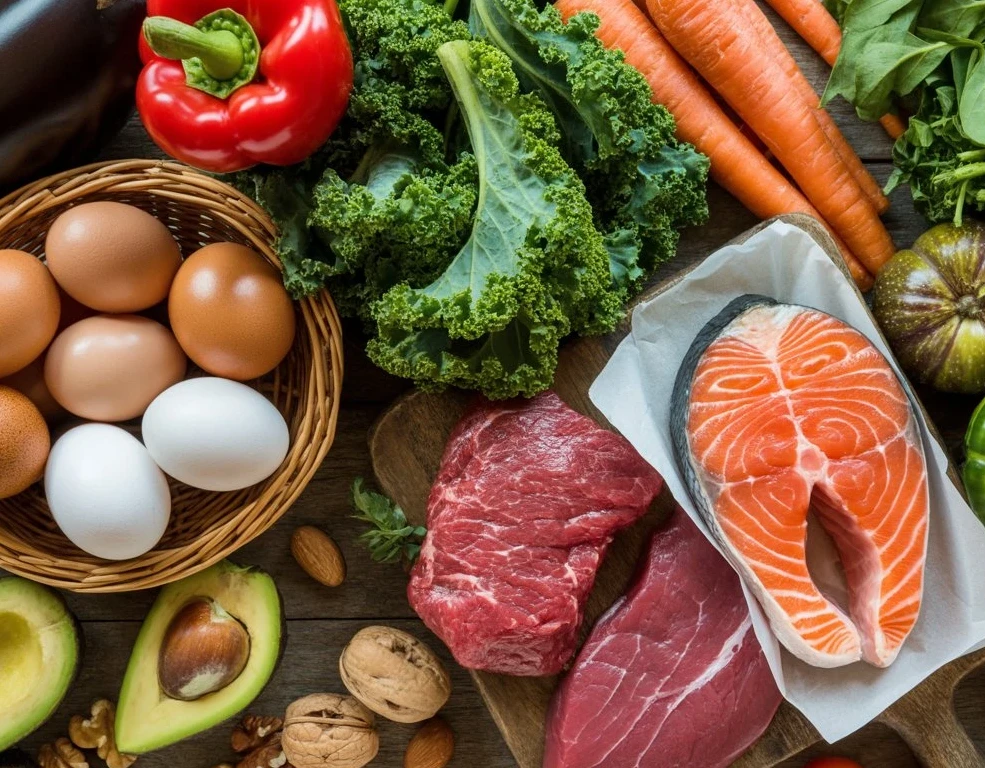
Whole foods are foods that are as close as possible to their natural state. They haven’t been stripped, bleached, or pumped full of additives. Think fruits, vegetables, nuts, seeds, beans, whole grains, eggs, meat and fish without added fillers or sauces. When I say “processed food,” I’m talking about stuff like flavoured crisps, sugary breakfast cereals, deli meats, soda, and instant noodles; basically, anything loaded with ingredients you can’t pronounce or wouldn’t find in a home kitchen.
Real Nutrition: What You Get from Whole Foods
Whole foods come packed with some pretty great nutrients your body really craves. When I switched to more whole foods, I started to notice my energy and focus improved. That’s because you get steady fuel without wild sugar highs and crashes.
- Vitamins and Minerals: Fruits, veggies, and nuts are loaded with all kinds of vitamins (like C, A, K, and the B group) and minerals (like calcium, magnesium, potassium) your body uses to keep things ticking.
- Fibre: Plant based whole foods are full of fibre, which supports digestion and steadies blood sugar. This is something processed foods usually lack because fibre often gets stripped away in the manufacturing process.
- Phytonutrients and Antioxidants: These are natural plant compounds that help your cells fight stress and keep your immune system sharp. Whole foods like blueberries, broccoli, or oats have a ton of these. Processed foods, in comparison, have almost none.
- Healthy Fats: Avocados, nuts, seeds, meat and fish give you fats that support heart and brain health. In processed foods, you’re more likely to get trans fats or weird artificial oils that do the opposite.
Processed Foods: Fast, Cheap, and Not-So-Great for You
Processed foods are usually designed to taste great and last a long time on the shelf, even if that means using unhealthy fats, extra sugar, loads of salt, and a long list of additives. They’re made for convenience, but they often leave your body wanting the real deal.
- Added Sugars and Salt: One soda has more sugar than you’d use in a week if you were cooking at home. The same goes for sodium in frozen dinners. Too much of either can be rough on your heart and blood pressure.
- Refined Grains: White bread, pastries, and instant noodles are made from grains that have lost most of their fibre and nutrients. So, you end up with empty calories.
- Preservatives and Artificial Additives: You don’t really need things like sodium nitrite, artificial colouring, or MSG. Your gut and liver have to work extra hard to handle these. Sometimes your immune system can get impaired too.
- Unhealthy Fats: Processed foods often have trans fats or a lot of omega-6 oils, which can mess with your cholesterol and raise inflammation in your body.
What Happens When You Eat Mostly Processed Foods
Eating processed foods all the time doesn’t just zap your energy or give you junk cravings; it does some real damage to your gut, too. The gut microbiome is a huge part of how you feel every day. When I started paying attention to gut health, I was surprised by how directly it affected my mood and digestion.
Gut Microbiome Basics
Your gut is packed with trillions of bacteria and other microbes that help digest food, make vitamins, and even support your immune system. A healthy gut usually has a big mix of helpful bacteria, and these love fibre and plant foods. Eating this way also helps your immune system stay resilient when you’re under stress or exposed to illnesses, and it can even contribute to better sleep and less bloating.
Processed Foods Can Hurt Your Gut
- Low Fibre, Less Diversity: Processed foods tend to be low in fibre, which means your gut microbiome isn’t getting the fuel it needs. Without enough fibre, helpful bacteria die off, and ones linked to things like inflammation can take over. This can lead to all kinds of issues, from bloating to higher risk of diseases.
- Additives and Emulsifiers: Some processed foods have chemicals that help textures stay smooth or prevent spoiling. These can stress out gut bacteria, leading to inflammation or making your gut lining more fragile. Some types of emulsifiers and preservatives may even make it harder for your good gut flora to flourish, which means a higher risk for digestive problems down the road.
- Sugar Overload: Extra sugar isn’t just bad for your teeth; it feeds the “bad” bacteria in your gut, throwing your gut balance out of whack. Over time, too much sugar in your diet may set off blood sugar swings and make your gut more prone to irritation, too.
Why the Fibre In Whole Foods is Super Important
Fibre is found in plant foods, and it’s super important for both digestion and gut health. Soluble fibre helps form a gel that slows digestion, making you feel fuller longer, while insoluble fibre keeps things moving. What I love about eating fibre rich foods is how they smooth out hunger cravings and keep energy nice and steady.
When you eat plenty of fibre, your gut bacteria “ferments” it, producing beneficial short chain fatty acids that help reduce inflammation, protect your colon, and can even lower your risk of things like colon cancer. Fibre also helps steady blood sugar, lowers cholesterol, and even supports healthy weight management because it keeps you feeling full.
If you’re just getting into whole foods, you might notice some changes in your digestion as your body adjusts. That’s normal; just keep increasing fibre slowly and drink more water to avoid discomfort as your gut flora grows.
Practical Tips for Choosing Whole Foods Over Processed
- Shop the Perimeter: The outer edges of the grocery store usually have the freshest foods such as fruits, vegetables, nuts, eggs, fish and fresh meats. Most processed foods hide in the middle aisles.
- Read Ingredient Lists: If a food has more than a few ingredients, or stuff you wouldn’t use at home, it’s probably processed. Whole foods usually have one ingredient: what you see is what you get.
- Batch Cook and Prep: Cooking whole foods takes more effort, but prepping in advance or making simple one pan meals can save a ton of time and stress during weekdays.
- Try New Recipes: Every season brings new fruits and vegetables to try. Mixing things up keeps meals fun, and you might find a new favourite in the process.
- Upgrade Snacks: Nuts, fresh fruit, carrot sticks, or roasted chickpeas are awesome and easy to keep on hand instead of packaged cookies or crisps.
- Explore Farmers’ Markets: Local farmers’ markets are a great place to stumble upon in-season produce and unique, freshly harvested foods. You sometimes get to ask farmers directly about their products and growing practices, which builds confidence in what you’re eating.
- Make Simple Swaps: Replace white rice with brown or wild rice, use wholegrain bread instead of white bread, and swap sugary drinks for infused water with fresh fruit or herbs.
Beyond Food: How a Whole Food Diet Supports Long-Term Health
Eating mostly whole foods can help keep a lot of health problems at bay. Studies show that wholefood diets are linked to lower rates of heart disease, diabetes, obesity, and even some cancers. You get more energy, steadier mood, and stronger immunity. Even skin and sleep benefit when you feed your body whole foods.
A wholefood lifestyle doesn’t just offer physical health perks; it can play a role in stabilising mood, supporting bone health, and boosting mental sharpness. Plus, the simple act of preparing your own meals can become a relaxing break from everyday stress, giving you a chance to connect with friends and family.
It’s not about being perfect or never eating out or buying packaged snacks; it’s about making those whole foods the main part of your meals. The benefits really stack up over time, especially for gut health and energy.
Frequently Asked Questions
Question: Why do people crave processed foods if whole foods are so good for you?
Answer: Processed foods are created to be really tasty and hard to resist. Extra sugar, salt, and fat hit your brain’s reward system, making you want more. It’s totally normal, but once you get used to real food, those cravings often fade.
Question: Is it expensive to eat mostly whole foods?
Answer: It can seem pricey at first, but buying in-season produce, bulk grains or beans, and cooking at home often ends up being cheaper than takeout or processed snacks. Planning meals and freezing leftovers helps avoid waste, too.
Question: What about frozen vegetables or canned beans; are those OK?
Answer: For sure! Frozen or canned produce (without added salt or sugar) is super handy. They’re usually picked and processed at peak ripeness, so you still get most of the nutrients. Sometimes they’re even fresher than the wilting stuff at the supermarket.
Question: Can kids eat strictly whole foods?
Answer: Absolutely. Kids often benefit from a diet rich in fruit, vegetables, lean meats, and whole grains. Making meals together and offering variety helps kids build healthy habits and appreciate a mix of colourful flavours early on.
Making the Switch: Start with Small Steps
Swapping packaged foods for whole foods doesn’t have to happen all at once. Even switching your breakfast to oatmeal with some fruit, or an omelette, or tossing more fresh veggies into your dinners makes a real difference. Keeping things simple and sticking with what you genuinely enjoy goes a long way in building habits that actually last.
Whole foods are loaded with nutrients your body needs, and your gut is a lot happier when it gets real fuel that it actually recognises as food. Even small moves toward whole foods can leave you energised and feeling a little more like yourself, one meal at a time. Start today by adding an extra veggie to your lunch or choosing nuts instead of crackers, and let those changes grow over time. You could be shocked at how much better you feel in both mind and body!