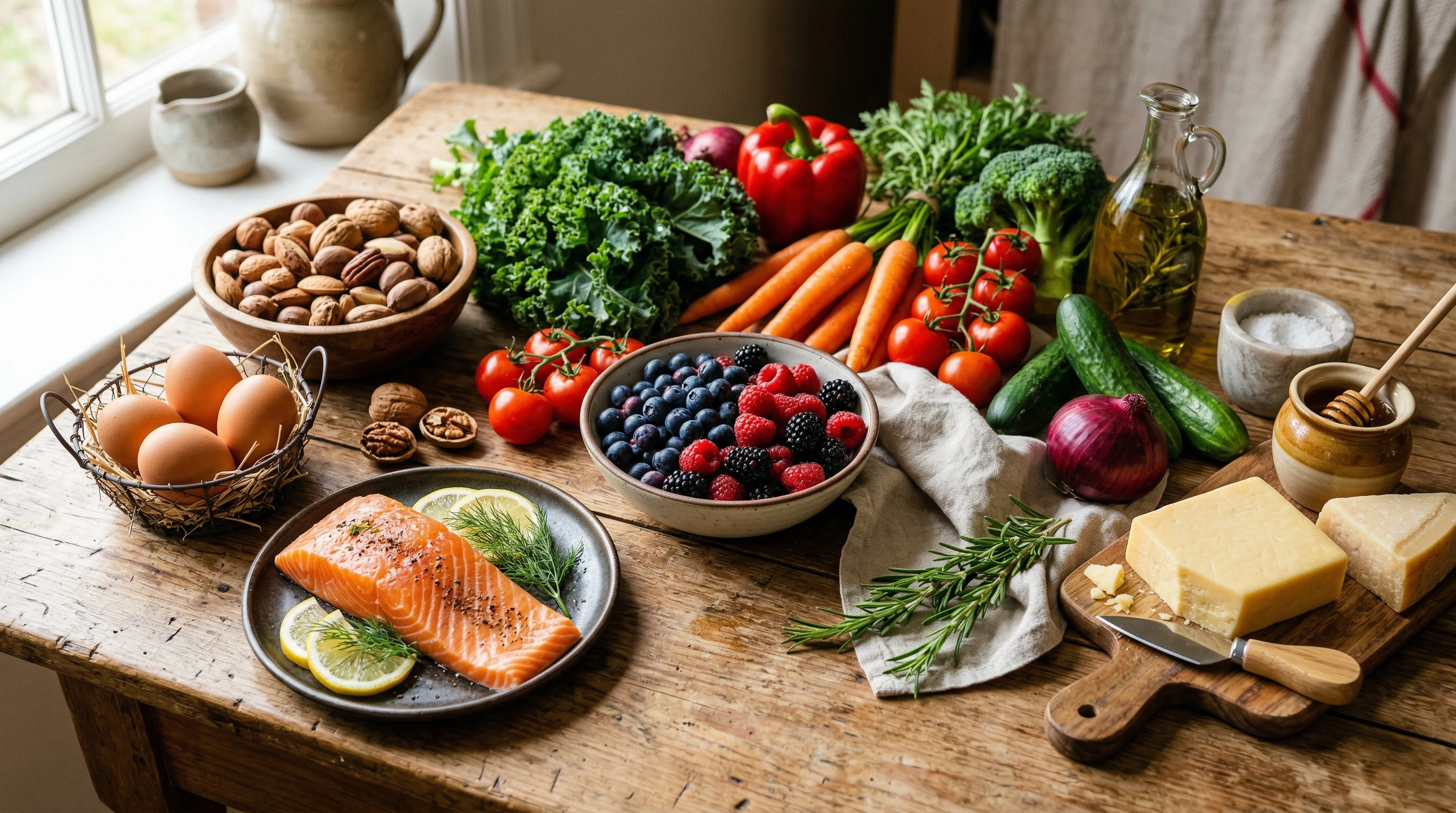
 Whole foods are basically foods that look much like they did when harvested or produced. When you eat whole foods, you’re getting all the natural nutrients without sweeteners, preservatives, or heavy processing tossed in. These foods help fuel the body with vitamins, minerals, protein, and healthy fats that support energy, mood, and long-term health in a simple, easy-to-understand way.
Whether you want more energy, better digestion, or to just eat more naturally, focusing on whole foods can really help. Here’s a full rundown of some popular whole foods and why they’re super useful for everyday nutrition. These foods are the backbone of a healthy diet, helping you feel your best and making sure your body gets all it needs. If you’re trying to switch things up and get more natural foods on your plate, read on for a helpful guide that makes it easy.
1. Whole Meat: Beef, Pork, and Poultry
Fresh cuts of beef, pork, chicken, turkey, and other meats (without breading or sauces) are classic whole foods. They offer a bunch of key nutrients, including:
- Protein for muscle repair and maintenance
- Iron that helps transport oxygen in your blood
- B vitamins (like B12) that support mental sharpness and overall energy
Choosing grass-fed or pasteurised meats when you can is the ideal, because these can have a healthier fat profile and taste richer. Stick to minimally processed cuts for the best benefits. Many butchers or local farms offer grass-fed options, and although they can cost more, the nutritional trade off is worth it for many people who want food closer to its natural state.
2. Fish and Seafood: Salmon, Sardines, Shrimps, and More
Fish and seafood are loaded with things your body thrives on. Fatty fish like salmon, sardines, and mackerel are especially known for their:
- Omega-3 fatty acids that support brain, heart, and joint health
- Protein that helps you stay full and energised
- Vitamin D (especially in wild fish), which is tough to get from other foods
For a quick, super nutritious meal, I’ll often reach for steamed fish or a salmon fillet. The flavour is simple and clean, but it packs a nutritional punch. Including a variety of fish in your week can help balance your intake of essential fats, and you also get to experiment with plenty of different flavours and textures.
3. Eggs: A Simple, Complete Food
Eggs come pretty close to being a perfect whole food. They have everything needed to grow a chicken, which means they’re loaded with nutrition:
- High quality protein
- Healthy fats
- Choline, which helps with brain health
- Vitamin A, D, E, and B vitamins
Whole eggs, including the yolk, are the way to go. The yolk has most of the vitamins and healthy fats. Whether you like them boiled, poached, or scrambled, eggs are versatile and convenient. They can be breakfast, lunch, or dinner and pair well with veggies and other whole foods.
4. Full Fat Yogurt: Probiotics and Protein
Plain, unsweetened full fat yogurt is made simply from milk and live cultures, so it counts as a whole food. Yogurt is a great source of:
- Calcium for strong bones
- Protein to build and repair tissues
- Probiotics (live bacteria) that help balance your gut
Full fat yogurt tastes rich and keeps you satisfied longer than low fat versions. I like to use it as a base for breakfasts or as a creamy snack later in the day. You can add a sprinkle of seeds, some nuts, or a handful of berries for texture and taste, turning it into a powerhouse snack.
5. Cheeses: Nutrition and Flavour
Natural cheeses like cheddar, Swiss or goats cheese are made with milk, salt, and enzymes, and little else. Cheese offers:
- Protein for satiety
- Calcium and phosphorus to keep bones strong
- Healthy fats
Eat cheese in moderation for both flavour and nutrition, especially if you’re looking for an easy, no cook way to add protein to salads or snacks. With so many varieties, it’s simple to find your favourite and enjoy cheese as a topping for veggies, in an omelette or as part of a snack board.
6. Butter: Simple and Satisfying
Butter is just churned cream with maybe a little salt. That’s it. As a whole food, butter gives you:
- Fat soluble vitamins like A and D
- Conjugated linoleic acid (CLA), especially from grass-fed cows, which may help with inflammation
Butter is super useful for cooking and tastes great on vegetables or scrambled eggs for an extra flavour kick. It’s an old school food that still holds up in modern kitchens because it brings out the flavours in so many dishes.
7. Nuts: Cashews, Almonds, Walnuts, and More
Whole, unsalted nuts are a great snack and also easy to toss into a meal. Some of the most popular are almonds, walnuts, cashews, and pistachios. These pack in:
- Healthy unsaturated fats that support your heart
- Protein for energy and fullness
- Magnesium and vitamin E
Nuts also give that nice crunch to salads and yogurt. If I want longer lasting energy, a handful of raw or dry roasted nuts is pretty handy. Mixing in different types of nuts gives you a variety of nutrients and keeps snacks interesting. They’re easy to stash in purses, cars, or backpacks for a fast and healthy option when hunger hits.
8. Seeds: Chia, Flax, Pumpkin, and Sunflower
Seeds are small but really pack in vitamins and healthy fats. Chia, flax, pumpkin, and sunflower seeds are some favourites, loaded with:
- Fibre that supports gut health and keeps you full
- Healthy omega-3’s (especially in chia and flax)
- Minerals like zinc and magnesium
Sprinkling seeds on oatmeal, salads, or in smoothies is an easy way to boost nutrition with no prep. Seeds are also great in homemade granola, trail mix, or as a crunchy topping for soups. Try mixing seeds for unique flavours and extra variety in your meals.
9. Vegetables: Leafy Greens, Root Veg, and More
Vegetables are the star of any whole foods menu. Broccoli, spinach, kale, carrots, bell peppers, and sweet potatoes (to name a few) bring fibre, colour, and tons of vitamins to your plate. Such as:
- Vitamin C, K, A and other antioxidants
- Potassium for healthy blood pressure
- Lots of fibre to aid digestion and help you feel full
Roasting, sauteing, or eating vegetables raw all help you get the full texture and nutrition. Try to include a variety of colours in your diet, since different colours pack different nutrients. Making vegetables the base of meals is a sure way to step up your nutrition. Pair with olive oil or a little butter for great taste and absorption of fat soluble vitamins.
10. Berries: Blueberries, Strawberries & Raspberries
Berries are naturally sweet, so you don’t need to add sugar. Blueberries, strawberries, raspberries, and blackberries burst with:
- Vitamin C that supports immune health
- Fibre for gut wellness
- Antioxidants to fight cell damage from daily life
I’ll often sprinkle a handful over yogurt or eat them straight as a snack. They’re super easy to keep in the fridge or freezer for a healthy boost any time. Berries are low in calories but high in flavour, so they make a great topping for oatmeal, cereal, and desserts as well.
Quick Tips for Adding Whole Foods to Your Day
- Pick one or two whole foods to add to each meal instead of processed snacks or sides.
- Eat the rainbow to get a wide mix of nutrients every day.
- Shop the edges of the grocery store where fresh and whole foods are usually stocked.
- Prep a batch of roasted vegetables or grilled chicken at the start of your week to make quick meals easier.
- Keep nuts, seeds and berries handy in your kitchen so healthy snacks are always within reach.
Switching to more whole foods doesn’t need to be complicated or expensive. Just swapping out a few processed snacks for one of these foods every day can make a difference in how you feel and help support long-term wellness. Trying out different whole foods is an easy way to find your favourites and keep things interesting on your plate. Over time, your palate may shift to crave these vibrant, nutrient-rich options naturally, supporting long-lasting health benefits with every bite.