Getting started with whole food eating feels a lot less intimidating once you break it down. If you’ve ever glanced at the ingredients list on packaged snacks or frozen meals, you’ve probably seen a long list of things you don’t recognise. Switching to a diet based mostly on whole foods is about bringing those choices back to basics, focusing on real, unprocessed foods you know by sight and taste. If you’re new to this approach, I’m sharing my tips to make the transition smoother, along with some key info that will help you feel prepared and motivated.
Why Try Whole Food Eating?
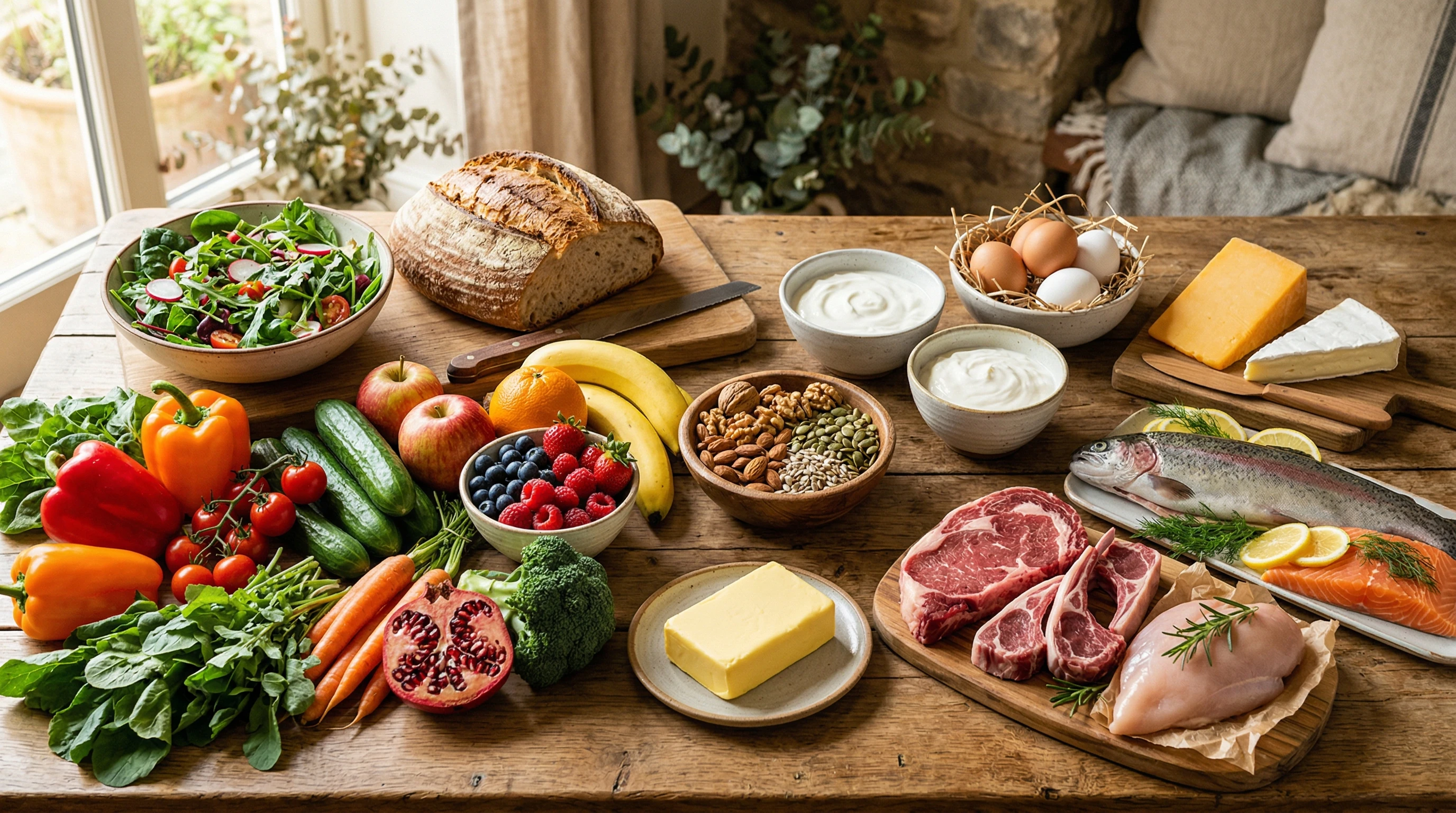
Whole food eating means you build meals around foods that are as close to their natural state as possible. That doesn’t mean you never eat anything packaged; it’s more about making the majority of your meals from foods like meat, vegetables, fruits, nuts, eggs, fish, butter, and grains that don’t need much added to be tasty.
This way of eating isn’t just about weight loss or following a trend. Many people notice they feel more energetic, satisfied, and even see changes with digestion or skin. You also don’t have to be perfect. Swapping a bag of crisps for a handful of roasted nuts, or adding a few extra veggies to dinner are small moves that make a difference over time.
What Counts As Whole Food?
If you walk through a grocery store, it’s easy to spot these foods in the produce, meat, dairy, and bulk food sections. Some examples:
- Vegetables: Carrots, spinach, broccoli, bell peppers
- Fruits: Apples, bananas, berries, oranges
- Nuts and Seeds: Almonds, walnuts, chia seeds, pumpkin seeds
- Animal Products: Eggs, chicken breast, beef, fresh fish
- Dairy: Plain full fat yogurt, butter, cheese (look for minimal ingredients)
- Whole Grains (optional): Oats, brown rice, quinoa, barley
Anything with a short ingredient list you can recognise usually fits the bill. When you shop, aim for fresh foods, and look for packaged foods with minimal ingredients, but no extra sugars or oils you don’t want.
Steps To Transition from Processed to Whole Foods
Moving away from processed foods is easier when broken into small steps. Here’s what I’ve found works for most beginners:
- Look At What You’re Eating Now
Write down what you usually eat in a day or a week, even if it’s just a loose list. Noticing how much comes from a bag, box, or take away helps you spot easy places to swap for whole food versions. - Choose One Meal To Change First
If overhauling everything feels overwhelming, pick breakfast, lunch, or dinner to focus your energy. For example, trade boxed cereal for eggs and fruit or yogurt and nuts. - Stock Your Kitchen With Basics
Clear some space for whole food staples: eggs, butter, a bag of carrots, a few types of nuts, apples, bananas, and maybe a simple protein like fish or chicken. If you already have these on hand, you’re less likely to grab something processed. - Learn Simple, Flexible Recipes
Find or create a few easy recipes you enjoy. Stir fries, salads, roasted veggies, sheet pan meals, or a hearty soup made with meat and veg are all pretty flexible. You don’t need to be a chef to start. Some olive oil, salt, pepper, and fresh lemon make a lot of foods taste good. - Shop The Perimeter Of The Store
The outside edges usually have meats, eggs, dairy, and produce. Middle aisles are often full of packaged foods, so you can usually get most of your basics from the perimeter racks. - Plan Ahead When You Can
Prepping meals or ingredients in advance, like chopping vegetables or cooking some rice or chicken for a few days, means you’re more likely to stick to whole foods even on busy days.
Getting Past Common Hurdles
Whole food eating comes with a few bumps at first. Here are things people ask about and ways to make things easier:
- Finding Time To Cook
Meals don’t need to be fancy. I toss salmon in the oven, roast vegetables, and that’s dinner. A smoothie with spinach, banana, and yogurt is a quick breakfast. Bulk prepping really helps here. - Cravings For Processed Snacks
Swap crisps or cookies for things like roasted nuts, boiled eggs, or apple slices with peanut butter. Sometimes, cravings just mean you’re hungry, so adding more fat or protein to meals can help. - Cost Concerns
Whole foods sometimes feel pricier, but skipping packaged snacks can balance it out. Buying what’s in season or choosing frozen fruits/veggies (without sauces or sugar) also saves money. - Boredom With Food Choices
Mix it up with different herbs or sauces (check the labels, though), or explore new veggie recipes. Whole food doesn’t mean bland food. If you find yourself eating the same foods on repeat, look up a new recipe or try a vegetable you’ve never cooked before to boost variety.
Tips for Stocking a Whole Food Kitchen
Keeping your kitchen set up for success is really important. Here are my go to basics:
- Eggs, butter, full fat yogurt, and cheese for filling breakfasts and snacks
- Fresh and frozen vegetables for quick sides
- Fruit for snacks or desserts
- Nuts and nut butters for snacking or meal add-on’s
- Olive oil, avocado oil, and coconut oil for cooking
- Canned fish (like salmon or sardines) for easy meals
I also lean on a few simple herbs and spices, lemon or lime, and garlic to bring extra flavour without needing bottled sauces. If you enjoy international flavours, try things like cumin, smoked paprika, or curry powder to add richness without extra additives.
Making Your Meals: Basic Whole Food Meal Ideas
Starting with basic meal formulas is pretty handy. Here are a few combos I use on busy days:
- Eggs + Veggies (scrambled together or in an omelette, add avocado or cheese for extra flavour)
- Grilled Meat or Fish + Roasted Veggies (any herbs or spices you like)
- Full fat Yogurt + Nuts + Fresh Fruit for a snack or breakfast
- Salad with Greens + Protein (chicken, salmon, eggs) + Nuts or Seeds + Olive Oil/Lemon Dressing
- Nut Butter on Apple Slices or banana as a snack
Mix and match these ideas, and add in what’s fresh or on sale. Getting creative can help keep your meals interesting. If you have leftovers, use them in wraps or as part of a breakfast the next day. Treat your plate like a canvas you can fill with colours from fresh produce and whole ingredients.
Supporting Your New Habit: What Helps Long-Term?
Sticking with a new way of eating takes a little planning and patience. Some things that really help:
- Give Yourself Room To Learn. Everybody’s first attempt at something new isn’t perfect. If you have a busy week and grab a takeout, just get back to whole foods at your next chance. Progress, not perfection.
- Read Labels. If you do buy something packaged, read the ingredient list. Short, simple lists are usually better. Watch for hidden sugars, vegetable oils, and preservatives if you’re trying to cut down on those. Believe me, when you start reading some of the ingredients they put in ultra processed foods it’s likely to put you right off eating them ever again!
- Ask For Support. Tell friends or family about your goals. People are often happy to try a new recipe with you or share their own tips.
- Notice How You Feel. Paying attention to your energy, digestion, and mood can be motivating. Often, people notice changes when they switch to more whole foods.
Another tip for staying on track is to set reminders for meal prep or even jot down new meals you’ve tried and enjoyed. When challenges come up, revisit your reasons for choosing whole foods and remember the improvements you’ve noticed in your daily life.
Common Questions About Switching To Whole Foods
Here are a few questions I hear a lot, especially from people used to eating lots of packaged or fast food:
Can I eat bread or cereal on a whole food diet?
Some people include whole grain breads or cereals, but you’ll want to look for those made mostly with simple, recognisable ingredients (think oats, seeds, water, and salt). There’s no one “right” way; adjust to what feels good for you.
What if I eat out?
Grilled meat or fish, salads, or egg dishes are pretty common at restaurants. You can usually ask for no sauce or dressing on the side if you want to keep things simple.
Do I need to cut out all sugar?
Whole food eating means most sugar comes from natural sources like fruit or dairy. If you want dessert, homemade treats made with mashed bananas, nut butter, or a bit of honey can be a nice swap.
Is it hard to feed my family this way?
If you’re cooking for a group, start with familiar favourites. Swap processed grains for whole ones, add extra vegetables, and let everyone season to taste. Over time, people usually adapt and even prefer the flavours of fresh, simple meals.
Moving Forward With Whole Food Eating
Switching to whole food eating gets easier the more you practice. It doesn’t require perfection or a complicated plan. Focusing on simple, natural foods makes a noticeable impact over time, and it can be pretty tasty, too. Start with small swaps, stock up on basics, and enjoy learning what works for you. That’s really what whole food eating is about: making better real food choices more often in a way that fits into your real life. Be kind to yourself through slip ups, and celebrate each healthy meal along the way!