Some foods are just a little unhealthy, but others really take the cake when it comes to being bad for you! Whenever people ask me about the number one unhealthiest food, it’s tough to find something more notorious than a packet of crisps (or “potato chips” depending on where you live). All the salt, processed oil, and mysterious flavour powders add up to a snack that’s best left in the shop. Here, we’ll check out the science and reasons behind why crisps have earned such a bad rep, how they actually affect you, and what makes them so tempting.
What Makes a Packet of Crisps So Unhealthy?
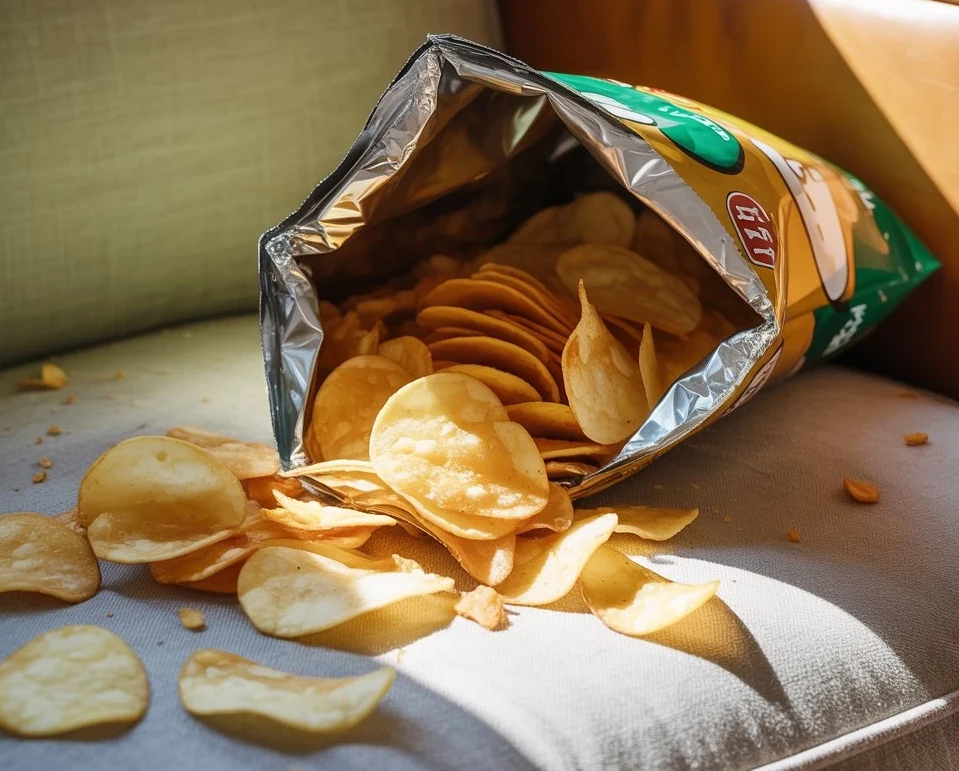
Crisps might seem pretty harmless. After all, they’re just made from potatoes, right? Not really. Most packets contain a lot more than thinly sliced spuds. When you turn over the bag and check out the ingredients, it’s like reading a chemistry set: artificial flavours, preservatives, and several types of processed oils. The actual potato often comes second to all the extras, with the rest of the contents bringing that signature taste and addictive crunch.
That “crunch” comes from a lengthy frying process using vegetable oils that are often loaded up with saturated and trans fats. On top of that, manufacturers load crisps with salt to get that addictive taste. The more-ish feeling of finishing the bag isn’t a happy accident; crisp makers design their snacks to keep you reaching for just one more handful.
Even “better-for-you” options aren’t always harmless. Lower-fat or baked types usually swap frying for baking but still pack plenty of salt, flavour enhancers, and preservatives. Some newer varieties even try to “market healthy” by using flashy packaging or calling themselves veggie crisps, but a quick look at the ingredients often shows the same old mix: processed oils, salt, and lots of artificial additions.
How Ultra-Processed Ingredients Affect Your Health
“Ultra-processed” is the big nutrition buzzword lately, and crisps fit the bill. Foods count as ultra-processed if they’re full of substances uncommon in home kitchens, like flavour enhancers, artificial colours, and preservatives. These additions stretch the life of the packet and boost taste, but they’re not doing your health any favours whatsoever.
Studies link ultra-processed food to higher risks of obesity, heart disease, type 2 diabetes, and even some cancers. Eating a lot of these foods can lead to chronic inflammation in your body, make you feel hungry all the time, and crowd out space for wholesome foods like veggies, fruit, and lean proteins.
Ultra-processed snacks don’t just pack in bad stuff; they also squeeze healthy foods out. Regular crisp eaters might skip healthier snacks or even meals, losing out on much-needed fibre, vitamins, and nutrients that support your overall well-being.
Low to No Nutrition: Why Crisps Are Called “Empty Calories”
The concept of “empty calories” means a food gives you energy but few helpful nutrients. Crisps fit this label perfectly. A typical packet is high in calories but offers very little in the way of vitamins, minerals, or healthy fats. You won’t find much potassium (despite being made from potatoes) and practically no protein, vitamins, or antioxidants.
The lack of beneficial nutrients means you’re eating a lot of energy that your body can’t use to build healthy tissue, manage stress, or support strong immune function. If you’re hoping the potato in your crisps is doing anything, it’s not; most of the fibre and nutrients got lost ages ago during processing.
To put it plainly, eating plenty of crisps piles on calories without doing anything good for your heart, muscles, or immune system. Over time, this habit makes it easier to gain weight and miss essential nutrients.
Fibre Shortage: Why That Matters
Dietary fibre is super important for digestion, heart health, and even managing blood sugar. Regular potatoes are pretty good for fibre if you eat the skin and cook them right. But crisps have almost all their original fibre stripped away during processing, and the little that’s left doesn’t make up for all the fat and salt packed in.
A diet low in fibre is linked to more trouble with digestion, more risk of blood sugar spikes, and problems with cholesterol. Swap to high fibre snacks like veggies, popcorn, or nuts, and you’ll do your gut a big favour. Sticking with crisps just leaves your body missing out on what it really needs.
Lack of fibre doesn’t just affect digestion; it also impacts your cholesterol and blood sugar regulation. Fibre is kind of like nature’s cleaning tool, helping things move through your system and even making you feel fuller after a meal or snack. Without it, you’re more likely to snack more—and on less healthy options.
The Science Behind Crisps: Why You Can’t Eat Just One
Crisp companies have this down to a science. There’s a real reason why it’s tough to stop after a handful; the right combo of salty, fatty, and crunchy triggers pleasure centres in your brain. Eating a packet gives a quick dopamine hit, making you want to grab another bag next time you see one. The food industry calls this “moreishness,” and it’s built into the recipe from the start.
Food addiction isn’t just about willpower. It’s about how certain foods interact with your body’s reward system. Ultra-processed snacks like crisps spark cravings and keep you coming back even when you’re not physically hungry. That “can’t stop” feeling isn’t you being weak; it’s food technology working exactly as intended.
This explains why some people compare snack cravings to the feeling of craving another coffee or chocolate. It’s the result of a carefully crafted mix—by food scientists who specifically study what keeps you reaching for that extra handful.
Extra Risks: What Else Comes in a Packet of Crisps?
Besides the obvious stuff, crisps can come loaded with extras you’re not even aware of. Many brands use flavourings containing monosodium glutamate (MSG), chemical preservatives like BHA and BHT, and even colour additives to keep their products looking and tasting “fresh.” While most food regulators say these ingredients are safe in small doses, eating crisps regularly means your intake can add up fast, especially if you reach for processed snacks throughout the day.
It’s also worth pointing out that the crunchy texture is made by frying slices at super-high heats, which creates compounds like acrylamide, a potential risk factor for cancer as flagged by the National Cancer Institute. That’s another reason some nutrition pros are sceptical about crisps as anything more than a rare treat, if even that.
Frequent crisp snacking doesn’t just increase your overall intake of unhealthy fat and salt. It also bumps up your exposure to unhealthy compounds from both the frying process and the long list of additives, setting up more risks beyond just feeling sluggish or bloated.
Common Struggles: Why Are Crisps So Hard to Quit?
Most people I talk to find that crisps are one of the toughest snack foods to put down. The perfect storm of taste, crunch, and convenience pretty much guarantees you’ll go back for seconds and thirds. If you ever feel bad about finishing a bag by yourself, you’re definitely not alone!
Part of the challenge comes from habit—grabbing crisps while watching TV or stashing a pack in your lunch. These habits become automatic, especially when the snack feels like the easy choice. Switching to better options takes some planning, but even small swaps make a real difference over time.
The convenience of single-serve packets and easy availability in shops, vending machines, and even petrol stations only fuels this snack cycle. It’s all too easy to make crisps your default, which makes breaking the habit more difficult, especially when stress or boredom hits.
Simple Swaps and Snack Alternatives
If you love a crunchy, salty snack, the good news is there are plenty of alternatives that taste great and won’t leave you feeling sluggish or stuffed. Air-popped popcorn (without too much salt or butter), roasted chickpeas, or baby carrots with hummus all fill the same gap without the unhealthy aftermath.
Even potato lovers can find better ways to snack. Try roasting potato wedges at home with olive oil and herbs for a snack with more nutrients, fibre, and flavour. For anyone trying to crowd out the crisp habit, prepping snacks ahead of time is pretty handy. Having healthier snacks nearby helps you choose better, even on autopilot.
Making a list of go-to healthy snacks—think boiled eggs, cheese, whole fruit, lightly salted nuts, or edamame—can make it easy to keep your kitchen stocked and reduce the urge to grab a packet of crisps.
FAQ: The Unhealthiest Food in Your Diet
People have lots of questions about crisps and their health effects. Here are a few that pop up often.
Question: Are all types of crisps equally unhealthy?
Answer: Most major brands are pretty similar in terms of saturated fat and salt. Some baked or low-fat versions skip frying, but they still have high salt and aren’t much better for nutrients. Vegetable crisps aren’t immune, either; many are basically fried root veggies with salt and flavour powder.
Question: Are homemade crisps any healthier?
Answer: Baking thin slices of potato at home with a little olive oil and seasoning cuts out a lot of the processed stuff. You get to control the salt and fat levels, and you can keep the skins on for more fibre. Still, eating potatoes in a less processed form (like roasted or boiled) gives you way more health benefits.
Question: What’s wrong with having crisps once in a while?
Answer: Occasionally eating crisps isn’t a problem for most people. The real trouble comes from eating them every day or using them as a default snack. Enjoying crisps every so often is unlikely to harm your health, but building snacks around healthier, less processed foods is a better routine for feeling good long-term.
Wrapping Up: Why Crisps Top the List of Unhealthiest Foods
Crisps score high on the “unhealthy” list because they combine ultra-processed ingredients, sky high salt and fat, and almost no nutrition. The way they’re made, along with the way they make you feel hungry for more, explains why it’s best to keep them as a rare treat. With so many easy and tasty snack options out there, leaving the crisp packet on the shelf is probably one of the quickest ways to eat healthier and avoid the snack food trap.
Better choices take a little planning, but your heart, waistline, and taste buds will thank you later down the line. If you’re looking to switch things up, start small, try new snacks, and notice how good you feel making better choices!