Whole foods are a huge topic in healthy eating conversations, but sometimes it can feel like no one agrees on what actually counts as a whole food! That confusion doesn’t help when you’re just trying to figure out what to toss into your grocery cart. I’ve had people ask me if wholegrain bread counts or if fruit juice is the same as a whole orange. So, I put together everything I know about what makes a food count as a “whole food.” Here are real examples and why it really matters.
What Exactly Are Whole Foods?
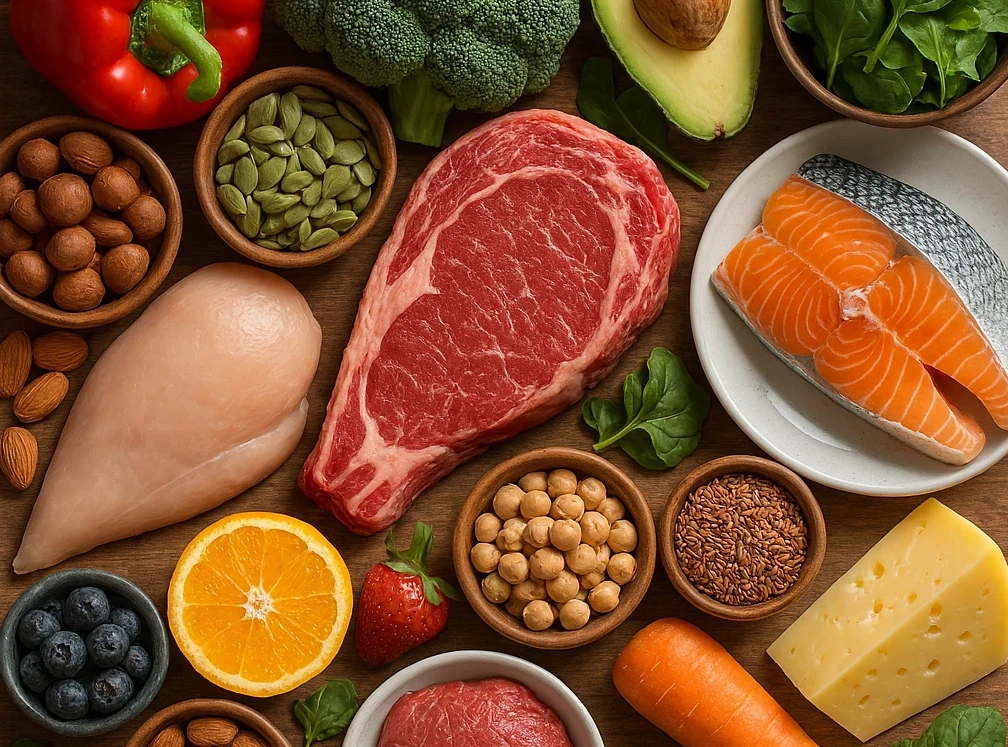
Whole foods are basically foods that come straight from nature, or as close to it as possible, without getting heavily processed or having artificial ingredients thrown in. If you pick it up and it looks like it just came off a tree, came out of the ground, or was just prepared in a simple way, it’s probably a whole food. It’s all about foods that haven’t had important nutrients stripped out or weird stuff added back in.
The biggest thing that sets whole foods apart is they still have all their natural parts: fibre, vitamins, minerals. These things haven’t been stripped out, and there haven’t been layers of additives, sugars, colours, or preservatives added during manufacturing. Think fresh berries, raw nuts, or even dried beans that you still have to cook.
Whole foods tend to be the stars of many healthy diets, and for good reason. They help you skip over the confusing lists of ingredients on packages and put real, recognisable food on your plate. When you eat more whole foods, you’re giving your body the chance to get all the nutrients nature packaged together.
How to Spot a Whole Food
Trying to find whole foods can be easy if you know what to look for. Here are the simple checks I use at the store or at home:
- Look for the one-ingredient foods: If you’re buying apples, oats, or brown rice and the ingredient list just says “apples,” “oats,” or “brown rice,” you’re good. If there’s a big list of unfamiliar chemical-sounding names, not so much.
- Notice the shape: Whole foods generally look a lot like how they started their lives. Broccoli looks like a plant, eggs look like eggs, almonds look like they came off a tree, not from a bag of trail mix with sweeteners and coatings.
- Minimal tampering: Washing, cutting, peeling, or freezing doesn’t disqualify something from being a whole food. Apple sauce with no added sugar still counts as a whole food. Steamed or stir fried veggies? Still good. It’s when the processing gets too intense that foods lose that “whole” status.
Sometimes, it’s not so obvious, and you have to ask a few questions. Did someone strip away the skins or bran? Are there unpronounceable additives? If not, you’re probably looking at a whole food.
Typical Examples of Whole Foods
Here’s a quick list of foods that almost always count as whole foods, no matter what diet you follow:
- Fruits: Apples, oranges, bananas, berries, melons, avocados, fresh or frozen without sugar or syrup.
- Vegetables: Leafy greens, carrots, squashes, potatoes, corn, onions; fresh or frozen is fine, just skip the creamy sauces or breadcrumbs.
- Whole grains: Brown rice, quinoa, oats, millet, barley, bulgur. If it’s still got its outer bran layer, it’s considered whole. Rolled oats are fine as they’re just steamed and flattened.
- Legumes: Lentils, chickpeas, kidney beans, black beans; dried or canned (just make sure the canned kind don’t have added salt or flavours).
- Nuts and seeds: Almonds, walnuts, chia seeds, flax seeds, pumpkin seeds; best in raw or dry roasted form with nothing extra.
- Animal products: Plain eggs, fresh fish, milk, plain yogurt, or cuts of meat without sauces or seasonings. Even if you want to avoid animal products, knowing what counts as whole can help you check labels and choose plant based proteins instead.
What Doesn’t Count as a Whole Food?
I used to wonder if things like peanut butter, vegetable chips, or granola bars would make the list. Turns out, most of these fall into the “processed” category unless you hunt down simple versions (like peanut butter that’s literally just ground peanuts). Here’s what usually doesn’t count as whole:
- Refined grains: White rice, white bread, most breakfast cereals. Once the bran and germ are removed, key nutrients and fibre disappear too.
- Sugary snacks and drinks: Soda, fruit juice with added sugar, candy, sweetened yogurts, and baked desserts.
- Processed and packaged foods: Crisps, crackers, microwave dinners, energy bars loaded with artificial stuff.
- Meats with additives: Deli slices, hot dogs, chicken nuggets, bacon with nitrates or preservatives.
Even foods that seem healthy, like pre-flavoured oatmeal or salad dressings, often lose their “whole food” status thanks to sugar, oils, and a long list of chemicals. The closer your food is to its original form, the better it fits into a wholefood eating plan.
Why the Criteria for Whole Foods Matter
When you stick to whole foods, you’re getting all the original nutrients, not just a few that got left behind. Fibre stays put; vitamins are where they belong; and you steer clear of ultra-processed ingredients like hydrogenated oils, weird unpronounceable preservatives, and chemical dyes. Over time, choosing whole foods can help with maintaining a healthy weight, managing blood sugar, and feeling full longer after eating.
Research also shows that eating more whole foods is linked to lower risk for chronic diseases, healthier digestion, and higher energy levels. It’s not a fad diet but more of a simple, popular approach to eating that makes healthy choices easier.
What Kind of Processing Is Okay?
Not all processing is bad; sometimes, processing is just about making things edible or more convenient without changing their nutritional benefits. Here are a few types of processing that keep foods in the “whole food” club:
- Washing: Like you’d do with fresh spinach or apples.
- Chopping or slicing: Bagged salad greens or chopped onion.
- Freezing: Frozen berries or vegetables don’t lose their “wholeness,” as long as nobody adds sugar or salt during processing.
- Cooking or steaming: Baked sweet potatoes, roasted squash, poached eggs.
- Simple canning: Beans or tomatoes with nothing but water or their own juice, and maybe a little salt.
Think of these steps as making things easy, not changing what the food really is. The nutrition stays nearly the same, and you get all the benefits you’re after.
Labels and Shopping for Whole Foods
Walking the aisles, you’ll see terms like “all-natural,” “organic,” “plant based,” and “non-GMO” everywhere. These don’t always mean a food is whole. Packaging and claims can be sneaky, so I always check the ingredient list. The shorter, the better. A box of cereal with only “rolled oats” on the label? That’s the real deal. Laws don’t force companies to call out “whole food” on the package, so most of it comes down to what you see and read.
It helps to become comfortable with reading labels, especially if you’re short on time and want to make quick decisions. If you see a long list of ingredients, it’s likely not a whole food. Simple foods, simple labels are an easy win for healthy shopping.
Common Myths About Whole Foods
I run into a lot of people who mix up “whole foods” with other health terms. Here are some popular myths I’ve heard:
- “Whole foods are only raw foods.” Not true; steamed, roasted, or simply cooked foods are still whole if nothing extra is tossed in.
- “You have to be vegan to eat whole foods.” Definitely not. You can include unprocessed animal products in a wholefood-based diet if that works for you.
- “Frozen veggies aren’t whole.” Actually, frozen vegetables are often fresher than what’s sitting out in the store, and they definitely count as whole foods if nothing extra’s been added.
- “Bread is never a whole food.” Not all bread is stripped down; genuine 100% wholegrain breads with just flour, water, and salt are about as close as you can get to whole grain in bread form.
Cool Benefits of Eating Whole Foods
My experience is that eating more whole foods makes a difference in how energised I feel and how well I eat overall. Besides providing more nutrients, whole foods usually have more fibre, which helps digestion and keeps you full. The water content in fresh fruits and veggies actually helps with hydration. Plus, you’ll steer clear of the hidden sugars and sodium that sneak into processed snacks and meals.
It also means fewer weird ingredients in your system and more real flavour. Meals come together faster, and you can get the whole family involved in choosing and preparing real foods. That turns healthy eating into something fun rather than just a chore.
Common Questions About Whole Foods
I get many questions from friends and readers, so here are some of the answers I think are worth sharing:
Are canned or frozen vegetables still considered whole foods?
As long as they don’t have extra salt, sugar, or sauces added (just water or their own juices), you’re eating a whole food. Freezing and basic canning don’t zap away all the nutrients.
Is brown rice always a whole food?
Most brown rice is a whole food, because the outer bran and germ are still there. Watch out for anything labelled as “instant” or flavoured rice mixes, since those can have added preservatives or flavourings.
Does grinding, mashing, or cooking change the whole food status?
Not really. If you’re mashing sweet potatoes or blending fruit into a smoothie (and don’t add anything funky), it still counts. It’s the additives and extra ingredients that cross the line.
How to Eat More Whole Foods
Switching to whole foods isn’t about making things complicated. Some quick swaps I love:
- Add an extra handful of fresh spinach or berries to your breakfast.
- Pick fresh fruit instead of juice.
- Snack on raw nuts or seeds instead of energy bars.
- Try a simple brown rice or quinoa dish for dinner instead of boxed stuffing or instant noodles.
- Mix up a salad with as many colourful veggies as you want—skip the croutons loaded with preservatives.
These little changes can actually make meals more satisfying, and you end up eating a wider variety of nutrients without having to think on it much. Keep things simple, focus on foods that are as close to their natural form as possible, and watch your meals and your energy levels get a real boost. Choosing whole foods isn’t about being perfect or overhauling everything at once; it’s about making small swaps and enjoying the process of eating closer to how nature intended.