The keto diet is a popular way to reset how your body uses fuel. Instead of depending on carbohydrates, you train your system to run on fats. This switch brings steady energy, fewer sugar crashes, and for a lot of people, a new relationship with what’s on their plate. But the key to making keto work is following some pretty strict basics. Honestly, cutting corners here messes with your results and your grocery budget.
If you’re curious about how people actually manage to stay on track with the keto diet, these 9 rules lay it out clearly. Whether you’re new to keto or tired of guessing what’s okay and what’s not, using these guidelines keeps things simple and helps you avoid those confusing stalls or unwanted surprises.
If you get these rules right, your keto adventure gets smoother, easier, and a lot more fun (even if you miss bread at first).
1. Keep Carbs Super Low; Net Carbs Matter Most
The secret sauce of keto is slashing carbs to the bare minimum. For most folks, this means keeping net carbs (which is total carbs minus fibre and sugar alcohols) to around 20–30 grams per day. That’s less than what you find in a single medium banana! Instead, fill up on nonstarchy veggies—think spinach, broccoli, zucchini, and leafy greens.
How to Stay on Target:
- Read labels and watch for sneaky carbs in sauces, dressings, and snacks.
- Use a carb-tracking app (like Carb Manager or MyFitnessPal) so you’re never left guessing.
- Non-starchy vegetables are always a safe bet.
Getting net carbs right is super important because going over can quickly pop you out of ketosis, meaning your body just switches back to burning sugar for fuel.
2. Eat Plenty of Healthy Fats
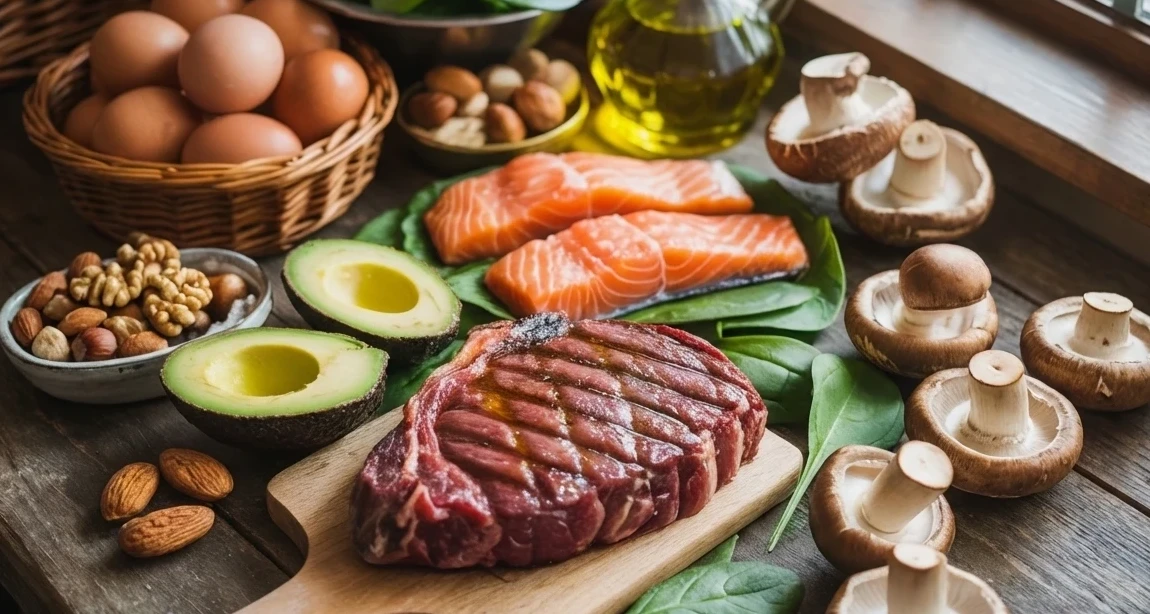
Keto isn’t just about cutting carbs. Your body needs something else to use for energy, and that’s where healthy fats come in. About 70–75% of your total daily calories on keto should come from fats. We’re not talking just about bacon (though, let’s be honest, that’s a perk), but about things like avocado, olive oil, ghee, nuts, seeds, and fatty fish. Some people forget to eat enough fat, but that’s what helps you feel full and keeps cravings at bay.
Great Fat Sources:
- Avocados and guacamole
- Extra virgin olive oil and coconut oil
- Salmon, mackerel, trout
- Pecans, macadamias, walnuts
Switching to healthy fats keeps you full and satisfied, and it helps your body slide right into that fat-burning zone. Don’t shy away from these!
3. Get Enough Protein, But Don’t Go Overboard
Protein is the building block for muscles, skin, and just about everything inside you. On keto, shoot for moderate protein—about 20–25% of your calories. Going way above that can backfire, because your body can actually turn extra protein into glucose (yep, sugar!), which can slow your progress. Tracking your protein helps maintain muscle without unwanted carb conversions.
Handy Protein Options:
- Eggs (nature’s low-carb protein bomb)
- Chicken thighs or drumsticks
- Grass-fed beef and pork
- Full fat Greek yogurt (watch the carb count, though!)
Balance your protein so you don’t end up feeling tired or losing muscle when you’re eating fewer calories overall.
4. Stay Hydrated, and Mind Your Electrolytes
The keto diet helps you drop water weight fast, so staying hydrated is really important. Suddenly drinking more water can also flush out your body’s minerals (electrolytes), leading to headaches, muscle cramps, and that dreaded “keto flu.” It’s a common reason people quit, so give your hydration and mineral levels extra attention.
- Add a pinch of salt to your meals (sea salt or Himalayan salt work great)
- Use magnesium and potassium rich foods (spinach, pumpkin seeds, salmon)
- Drink plenty of water, and consider sipping homemade bone broth or electrolyte drinks, especially in the first few weeks
Aiming for 2–3 litres of water a day is a good starting point, but listen to your body; thirst and muscle cramps are strong signals.
5. Avoid Hidden Sugars and Processed Foods
Hidden sugar loves to sneak into “keto-friendly” snacks like protein bars, yogurts, and sauces. Check those labels! And watch for low carb products that swap sugar for cheap fillers that add hidden carbs. Not all “low net carb” claims are as friendly as they sound.
Simple Ways to Avoid Sneaky Sugars:
- Prioritise whole, single ingredient foods
- If a food has more than a handful of ingredients you can’t pronounce, it’s probably not keto-friendly
- Look for sugar’s many aliases: dextrose, maltodextrin, rice syrup, and so on
Cuts like this are what help your body stay in the groove of ketosis and feeling great instead of feeling like you need a nap at 2 p.m. When in doubt, simple and unprocessed beats packaged every time.
6. Fill Your Plate with Non-starchy Veggies
Just because you’re cutting carbs doesn’t mean you need to kiss veggies goodbye. Non-starchy vegetables bring fibre, vitamins, and crunch. They keep your gut happy and meals satisfying, so you’re less likely to wander into snack territory. Plus, veggies make meals colourful and give your body the nutrients you need.
- Broccoli, cauliflower, zucchini, and asparagus are regular favourites
- Leafy greens like spinach, kale, and Swiss chard work in salads or sautés
- Stir-fries, roasted veggie trays, and raw veggie platters are all solid go-to’s
These veggies barely move the carb needle but do wonders for your overall health. Try mixing in different veggies each week for some variety and extra flavour.
7. Plan Meals and Prep Ahead
Successfully sticking to keto takes a little (okay, sometimes a lot!) of planning. It’s way too easy to slip up when you’re hungry and only have carb-heavy snacks in sight. Batch cooking proteins, prepping a big salad bowl, or keeping cooked eggs handy makes busy days way easier. If your schedule is tight, having grab-and-go meals can make or break your week.
Meal Planning Pointers:
- Make a weekly menu and a matching grocery list
- Batch cook or meal prep protein and veggies for easy grab-and-go meals
- Always keep a stash of keto-friendly snacks for emergencies (think nuts, cheese, or olives)
This rule is my go-to when things get hectic, and, honestly, it’s saved many a weeknight dinner. Try planning out just two or three days if a full week feels like too much; even a bit of prep helps you stay on track.
8. Watch Out for “Keto Flu” and Be Patient During the Transition
When you first switch to keto, your body might push back. You might feel tired, cranky, or just “off”—some call this the “keto flu.” It’s temporary, usually clears up after a week, and the fastest way to bounce back is by staying hydrated, resting, and making sure you get those electrolytes in.
- If things feel rough, slow down the carb-cutting or add a few more low-carb veggies
- Sleep helps a ton, so don’t skimp on it during this switch
- Take short walks or do gentle movement to help your body adjust
Pushing through the first stretch is totally worth it, and you’ll soon start to enjoy steady energy and clearheaded days. Remember, it’s about progress, not perfection. Be patient with your body as it adapts to this new way of eating.
9. Track Your Progress – But Don’t Stress About Perfection
Tracking isn’t just for carb counts. Regular check-ins with yourself, measurements, progress pics, or jotting down energy and mood changes help you catch what’s working and what needs adjusting. Keto isn’t all or nothing perfection. Everyone’s body is a little different; honestly, even the best keto pros hit plateaus, slip up, or need to change things now and then.
What to Track:
- Your daily net carb/fat/protein intake in an app or journal
- Weight and body measurements every couple of weeks (if you like seeing the numbers)
- Your energy, focus, and cravings (these can show keto magic before the scale does!)
- Changes in sleep quality and digestion
If you mess up, get right back at it with the next meal. No guilt, just progress. Tracking your wins, even non-scale victories, can keep you motivated for the long haul.
Wrapping Up
The 9 rules of keto keep the diet simple and clear, but also keep things fun. Swapping carbs for fats is a big change, but if you lean on these rules—low carbs, healthy fats, meal prep, and all the rest—your odds of feeling great and seeing results go way up. Keto isn’t a suffering contest; it’s a blueprint for making food work for you, boosting energy, and even helping your body feel better than it has in years.
Have questions about putting these rules to work in real life? I’m here to help. Share your own keto wins, struggles, or your favourite trick to stay on track. And remember: every step counts. Keto isn’t about being perfect; it’s about figuring out what works for you and taking it one meal at a time.