Ultra processed foods have popped up just about everywhere you look, from supermarket aisles to school vending machines. The term gets thrown around a lot, but sometimes it still feels a bit fuzzy. Whenever I try to explain what counts as ultra processed, I always start with this: it’s not just about how much a food is cooked or chopped. It’s about the wild number of industrial steps and ingredients that go into making something taste, look, or behave a certain way. We’re talking about stuff you wouldn’t dream of finding in the kitchen at home, such as artificial flavours, colourings, and a whole list of additives you might need a chemistry degree to identify!
What Exactly Counts as Ultra Processed Food?
I’ve had so many people ask what actually makes a food “ultra processed.” The shortest answer: these foods are built on industrial ingredients and methods that just don’t have a place in home kitchens. Picture packaged snacks, sugary breakfast cereals, instant noodles, sodas, sweetened yogurts, and ready to eat frozen dinners. They’re loaded up with substances created in factories, not grown in fields or picked from a plant.
Most ultra processed foods start out with raw ingredients that get broken down, turned into powders, emulsifiers, and syrups, and then rebuilt with heaps of additives. These aren’t just foods with salt, oil, or sugar added, they’re completely reworked by machines, using stuff like flavour enhancers, thickeners, colouring agents, and preservatives most folks wouldn’t recognise in a lineup.
The official definition comes from the NOVA food classification system, which researchers use to sort foods by just how processed they are. According to this system, ultra processed foods are “formulations of ingredients, mostly of exclusive industrial use, that result from a series of industrial processes.” Realistically, that means everything from factory made cakes to soft drinks and those “cheese” slices that don’t really melt the way real cheese does.
How Are Ultra Processed Foods Made?
If you’ve ever looked at the ingredients list on your favourite crisp bag or soda bottle, you’ll notice a long list of stuff you probably don’t keep at home. That’s a pretty clear signal you’re dealing with something ultra processed. Manufacturers use a whole playbook of techniques to transform basic foods into colourful, shelf stable snacks or drinks. I’ve seen food factory documentaries, and the process usually involves these steps:
- Refining Raw Ingredients: The starting point often involves stripping away anything resembling the original whole food. Grains are turned into ultra fine flours, sugars are extracted and refined, and oils are pulled from seeds using high pressure methods.
- Additive Overload: This is where magic (or mayhem, depending how you see it) happens. Factories add artificial sweeteners, colours, flavours, and preservatives. These are ingredients like monosodium glutamate (MSG), high fructose corn syrup, and artificial food dyes.
- Mechanical Processing: The whole thing gets cooked, extruded, shaped, dehydrated, or puffed by special machines that you won’t find in any home kitchen.
- Packaging for the Ages: Finally, everything is carefully packaged to survive months, or even years, on a shelf, looking and tasting pretty much the same as the day it left the factory.
In addition to these main steps, some companies add specialised coatings or glazes to give snacks that satisfying crunch. Flavour profiles are meticulously crafted in labs, allowing each brand to make its crisps, cereals, or sodas impossible to resist. This approach, heavily reliant on science and technology, is all about keeping the food consistent and appealing no matter where you buy it.
Why Are Ultra Processed Foods So Common?
Sometimes people wonder why the world seems flooded with ultra processed foods. It’s simple: they’re cheap to make, easy to transport, and have super long shelf lives. If you’re in a rush, they’re also pretty handy—you just grab, unwrap, and snack.
For manufacturers, using industrial ingredients and processes is all about efficiency — and profit. These foods take advantage of economies of scale, which means companies can sell an endless stream of brightly coloured candies, sodas, microwave meals, and even protein bars for a pretty low price. Plus, marketing teams are pros at making these products look mouthwatering in ads and packaging.
It’s not only about cost. Ultra processed foods stay “fresh” much longer than anything you’d whip up at home. Preservatives and vacuum sealed packages keep them from spoiling fast, so stores can stack them high and sell them slow.
In recent decades, changing lifestyles and an increased need for convenience have also given these foods a big boost in popularity. Many families now juggle busy schedules and packed calendars, making grab and go food more attractive than ever. Globalisation has played a role as well, spreading these products quickly from one region to another and making them universal staples in many households.
Main Ingredients in Ultra Processed Foods
If you enjoy checking ingredient lists like I do, there are some telltale signs a food is ultra processed. You’ll likely spot:
- Artificial Flavours and Colours: These bring out intense tastes or eye catching colours you’ll never get from a home pantry.
- Sugar and High Fructose Corn Syrup: Used way beyond what you’d add to grandma’s baking recipes.
- Industrial Oils and Fats: Things like hydrogenated vegetable oils that make snacks crispy or creamy but are basically born in a lab, and unfortunately very bad for your gut.
- Emulsifiers and Stabilisers: Complicated things like soy lecithin or carrageenan, added to keep stuff from separating or to get that perfect texture.
- Preservatives: BHA, sodium nitrite, or other chemicals designed to keep foods shelf stable for months or even years.
If the ingredient list reads more like a mini science experiment, there’s a good chance it’s ultra processed. Some snacks even include flavour boosters, anti caking agents, or texturisers that you’d never use at home, but these are essential for ensuring that every bite looks and tastes identical, whether you’re snacking in New York or Tokyo.
How to Tell If a Food Is Ultra Processed
Ever get stumped in the grocery store? I’ve found a simple check: could you see yourself recreating the food with stuff you have at home? If the answer is no because it needs maltodextrin, sodium benzoate, or other hard to pronounce ingredients, then you’re likely looking at ultra processed food.
Foods like apples, rice, plain bread, or unflavoured yogurt wouldn’t count. But apple flavoured breakfast bars or neon orange instant noodles definitely would. Reading labels is your best defence. Long ingredient lists with lots of additives are the biggest clues. If your food contains substances only a scientist could explain, that’s a good reason to pause and think if you really want it in your diet.
Where Ultra Processed Foods Show Up Most Often
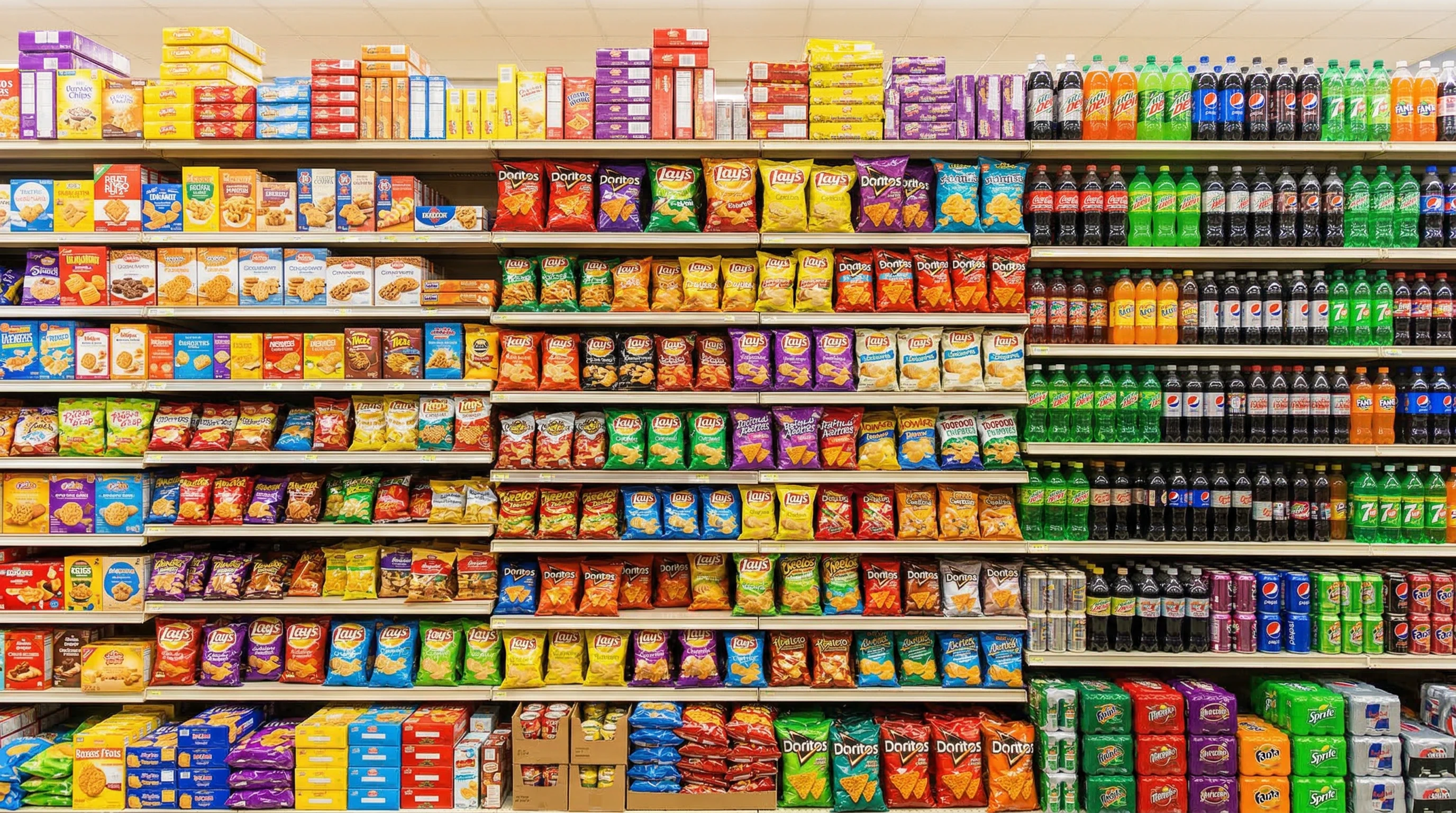
These products now fill up way more than half of the shelf space in many grocery stores. Some super common examples include:
- Sweetened breakfast cereals
- Packaged cookies and cakes
- Frozen ready meals
- Sodas and fruit punch drinks
- Instant noodle soups
- Chicken nuggets and processed deli meats
- Snack bars, especially ones loaded with syrups and protein isolates
- Flavoured potato chips and cheese puffs
If it’s highly convenient, comes in fun packaging, and could last through the next apocalypse, double check that ingredients list. These foods also find their way into schools, movie theatres, sporting events, and even some hospital cafeterias!! This makes it challenging for people to avoid them in everyday life.
Why People Love (and Eat So Much of) Ultra Processed Food
There’s a reason ultra processed foods have taken over pantries everywhere. Besides being affordable, these foods are engineered to hit your taste buds just right. I mean, there’s a lot of science behind making a crisp that makes you want to finish the whole bag. Add in the fun shapes, rainbow colours, and marketing claims like “now with extra protein!” and it’s easy to see the appeal.
Many of these foods are also designed for convenience. Busy families, late night snackers, college students—just about everyone can find something to grab and eat with almost no effort. For some, these foods also come with an emotional connection: comfort food, nostalgia from childhood favourites, or just the joy of a quick sugar rush on a tough day.
How Ultra Processed Foods Differ from Other Types
This part gets confusing. Foods can be classified into four main groups, and ultra processed is just the last (and most intensive) stage. Here’s a quick breakdown:
- Unprocessed or Minimally Processed: Think raw veggies, plain rice, and whole fresh eggs.
- Processed Culinary Ingredients: Items like oil, sugar, and salt used for cooking at home.
- Processed Foods: These are foods made with a few ingredients, like cheese, canned beans, or fresh bread. They’re made by adding a little salt, sugar, or oil to real food, but not much else.
- Ultra Processed Foods: Made by combining ingredients that rarely show up in regular kitchens, with a long checklist of industrial steps and additives.
It’s the difference between “made in a kitchen” and “assembled in a lab.” The four group system helps people make sense of where their food falls, and highlights why not all processing is a problem—it really comes down to the type and amount.
Common Questions about Ultra Processed Foods
Is all processed food bad?
Not at all. There’s a difference between simple processing (like freezing veggies or making yogurt) and industrial ultra processing. Some processed foods are totally fine in a balanced diet. The real concern is the foods with that industrial makeover and handfuls of additives.
Can you make ultra processed foods at home?
Short answer: nope. Most key ingredients, such as stabilisers, industrial colourings, or commercial thickeners, aren’t available at the grocery store. And unless your house comes equipped with an extrusion machine, it’s just not doable.
Are all snacks ultra processed?
No, but a lot of the big ones are. Popcorn from fresh kernels is different from microwave popcorn with twelve ingredients, especially if most of those are artificial flavours and preservatives.
What to Keep in Mind When Choosing Foods
People eat ultra processed foods for all sorts of reasons, including taste, price, and time. I always remind friends and family to balance convenience with ingredient awareness. Reading a label and recognising most of what’s listed is a simple way to make choices that work for you and your needs.
If you’re overwhelmed at the store, focusing on whole or minimally processed foods is a really good place to start. I found that even swapping out a few packaged snacks for something less industrial can make meals more interesting, and usually a bit tastier too.
The main thing to remember: ultra processed foods aren’t just things made with salt or oil. They’re products built around industrial ingredients you wouldn’t find in a normal kitchen, shaped and flavoured by machines and science, not grandma’s recipes. Getting a handle on what makes a food ultra processed makes it easier to pick what you actually want to eat. That mindful choice lets you enjoy treats sometimes while still leaning into foods that are closer to their natural state most of the time.