Bread is one of those foods that just feels comforting. Imagine toast in the morning, a sandwich for lunch, and maybe a crusty loaf sitting alongside dinner. But as far as you health is concerned where does bread fit in, is it healthy for you or not? The answer isn’t exactly black and white. Not all bread is automatically an ultra-processed food, but a lot of the bread you’ll find on supermarket shelves today does fit the ultra-processed description because of the long list of extra ingredients.
Understanding Bread: Traditional vs. Modern
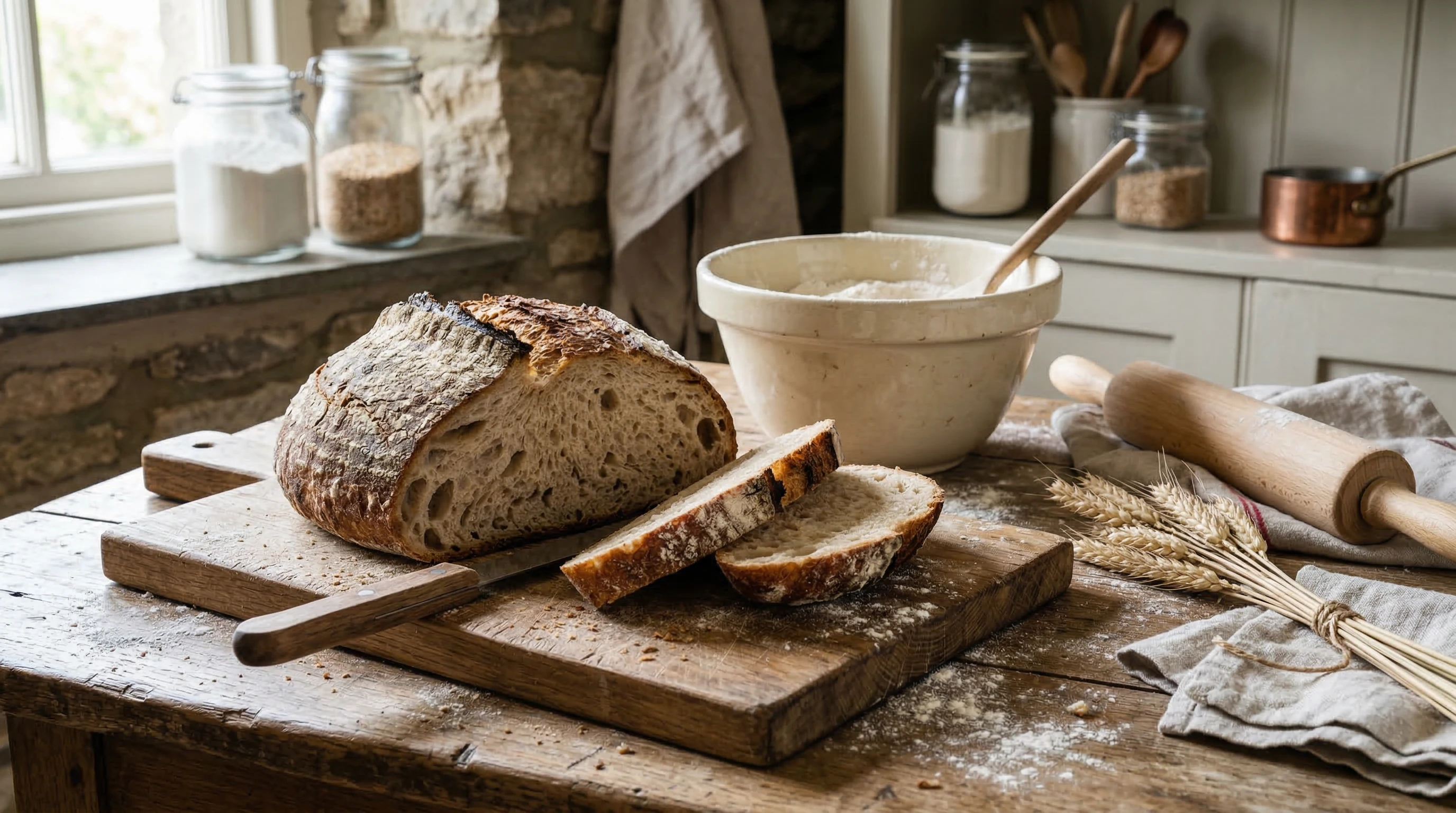
The basics of traditional bread go way back. Classic recipes usually call for just a handful of ingredients: flour, water, salt, and some form of leavening such as yeast or sourdough starter. This kind of bread uses straightforward methods; dough is mixed, left to rise, then baked. There’s no need for a bunch of additives or complex processes.
Plenty of small bakeries and home cooks stick to this traditional method. This type of bread certainly doesn’t fall under the category of ultra-processed food.
That’s a totally different story from most packaged breads you find at grocery stores. Industrially produced loaves often display long ingredient lists filled with gums, preservatives, emulsifiers, sugar, vegetable oils, and flavour enhancers. Uggh!! These additions help lengthen shelf life and modify texture, ultimately turning what started as a simple food into something that’s undeniably ultra-processed.
What Makes a Food Ultra-Processed?
The phrase “ultra-processed food” comes from the NOVA classification, which divides foods based on how they’re made and the ingredients used. Ultra-processed foods are typically packaged, contain items you wouldn’t use at home, and go through heavy processing.
- Additives and Chemicals: These foods often feature preservatives, artificial sweeteners, colourings, and flavour enhancers.
- Industrial Processing: If something goes through lots of mechanical or chemical steps, way beyond basic cooking or fermenting, it likely qualifies as ultra-processed.
- Mostly Ready to Eat: Ultra-processed foods are sold for convenience, often ready to eat or requiring just minimal prep.
Comparing Homemade, Bakery, and Packaged Bread
Homemade Bread
Baking bread at home with basic ingredients means you’re not eating an ultra-processed food. Even if you throw in seeds, honey, or olive oil, your loaf stays out of the ultra-processed category as long as you avoid chemical additives and shortcuts meant for mass production.
Artisan or Bakery Bread
Plenty of local bakeries create breads the old-fashioned way. Loaves like sourdough, whole grain, rye, or baguette usually keep ingredient lists short and clear. It’s always smart to check labels, but most bakery breads skip the chemical additives you see in store-bought options.
Supermarket Packaged Bread
This is where things change. Flip over a plastic-wrapped loaf and you’re likely to find calcium propionate, mono and diglycerides, soybean oil, sugar, dough conditioners, and more. These extras ensure longer shelf life, softness, and uniform baking. Breads sporting these ingredients plainly fit the ultra-processed food bill.
Key Ingredients That Signal Ultra-Processed Bread
If you want to know if a bread is ultra-processed, label checking is a big help. Here are some red-flag ingredients that come up often in supermarket bread:
- Preservatives: Such as calcium propionate (a preservative), potassium sorbate, and sodium benzoate; these all fight off mould and boost shelf life.
- Emulsifiers: Mono and diglycerides, soy lecithin, DATEM (a common food emulsifier); these create a soft texture and keep the bread fresher for longer.
- Added Sugars: High fructose corn syrup, cane sugar, malt syrup, make bread sweeter and speed up yeast action.
- Artificial Flavours and Colours: These are rare, but you’ll find them in some speciality or coloured breads.
- Refined Oils: Rapeseed, soybean, canola, and palm oils; these add moisture, however, they also push processing further.
- Enzymes and Dough Conditioners: These additives help machines handle dough and speed up baking in factories.
The more items like these that show up, especially near the top of the ingredient list, the more processed the bread is.
Why Is So Much Bread Ultra-Processed?
Many people wonder why supermarket bread gets filled with extra ingredients in the first place. For large manufacturers, keeping bread fresh for weeks and producing it quickly rank high on the priority list. Preservatives keep loaves from getting mouldy while they’re on the shelf or in your kitchen. Emulsifiers and conditioners allow the bread to be baked in huge batches and keep a soft, uniform texture for a long time, even after you open the bag.
It’s no surprise that price and convenience shape today’s food market, and mass-produced bread ticks both boxes. This is why most bread in the grocery store falls under the ultra-processed umbrella, unless you specifically seek out simple ingredient lists or stick to bakery options.
How to Spot Minimally Processed Bread
If you want to steer clear of ultra-processed options, it’s actually pretty easy after you get used to reading labels. Look for breads made with only:
- Flour (whole wheat, rye, or unbleached white)
- Water
- Salt
- Yeast, sourdough starter, or a natural leavening agent
Some organic or speciality grocery stores offer breads made with these simple ingredients. Sourdoughs and classic baguettes often stick with the basics. If your bread comes frozen or from a bakery with high turnover, it likely skips preservatives or softeners.
Stay alert for long ingredient lists or odd-sounding additions. A label that says “100% whole wheat” or “artisanal” might still surprise you with extra ingredients, so it doesn’t hurt to double-check the packaging instead of relying on marketing buzzwords.
Pros and Cons of Ultra-Processed Bread
Ultra-processed supermarket bread is everywhere for several reasons. It’s cheap, convenient, and seems to stay fresh almost forever. But research has raised concerns about eating lots of ultra-processed foods, which are linked with issues like weight gain, type 2 diabetes, and heart problems.
These breads often have less fibre and fewer nutrients than loaves made from whole grains and traditional techniques. Added sugars and oils commonly bump up the calorie count, which can pile up quickly. Plus, the flavourings and soft texture make it easy to overeat, especially with popular white sandwich bread.
If you’re trying to make healthier choices, switching to minimally processed or homemade bread brings you more whole grains, fewer additives, and often better taste, not to mention the peace of mind of knowing every ingredient.
Frequently Asked Questions About Bread and Processing
Is all packaged bread ultra-processed?
Not all of it, but most major grocery store brands are. Some speciality brands and fresh bakery breads in stores avoid most additives, so better options are available if you check the ingredient list.
Does sourdough bread count as ultra-processed?
Traditional sourdough is made with just flour, water, salt, and wild yeast. With only these components, it isn’t ultra-processed. But many commercial sourdoughs sneak in extra ingredients, so it pays to check the label.
Are whole wheat breads better for you?
Bread full of 100% whole wheat flour and only basic extras is higher in fibre and nutrients than heavily processed white bread. However, some “whole wheat” breads at the supermarket still qualify as ultra-processed due to added sugars, oils, or emulsifiers.
Why does bread need preservatives?
Bakery or homemade bread turns stale and gets mouldy within just a few days. Preservatives keep bread shelf-stable during transport and shopping, so it lasts longer at home. If you don’t mind freezing loaves or buying more often, you can easily skip breads with preservatives.
Smart Choices for Bread Fans
The common idea that bread is always ultra-processed isn’t accurate. What really matters is the ingredient list and how the bread is made. Traditional loaves, using simple ingredients and classic techniques, aren’t ultra-processed. In contrast, supermarket bread filled with preservatives, dough conditioners, and unfamiliar extras fits the ultra-processed description.
If you’re working to avoid ultra-processed foods, aim for bakery loaves, frozen bread with basic ingredient lists, or try out baking your own at home. The little extra time usually means better flavour and improved nutrition, plus peace of mind about what you’re eating. Spending a minute or two to check the label while shopping can really help you find the best bread to fit your taste and health goals.
NOTE: Just a word of caution on bread. Whether a bread is ultra-processed or not it is a high carb food and therefore will spike your blood sugar, especially in high quantities, so don’t overdo your intake particularly if you have any health issues.