 Starting a keto diet can feel a little overwhelming at first, but, honestly, it’s super doable once you get a handle on the basics. The biggest things to remember are going low carb, focusing on natural, whole foods, and dropping all those processed items from your shopping list. I’m going to walk you through exactly how I did it, and how you can too, so you can begin your keto adventure with confidence and avoid the newbie mistakes that throw a lot of people off track.
Whether you want to jump-start weight loss, get your blood sugar balanced, feel healthier or just feel more energised throughout the day, learning how to start keto the right way makes the process so much smoother. This guide breaks things down step by step so you know what to shop for, what to eat, and what to skip.
1. Understand Keto Basics
The keto diet is all about training your body to use fat for fuel instead of carbs. That means your meals are packed with healthy fats AND protein, while carbs (especially processed ones) are kept really low, usually around 20-50 grams a day net carbs. Net carbs are just total carbs minus fiber, since fiber doesn’t spike your blood sugar.
- Main foods on keto: Meat, eggs, fish, natural cheese, non-starchy vegetables, nuts, healthy oils, avocados, and some berries.
- Foods to avoid: Bread, pasta, most fruit, sugar, potatoes, cookies, chips, anything with a long ingredients list or words you can’t pronounce!
- Carb goal is super important. Most people aim for 20-30 grams of net carbs per day to stay in ketosis (the state where you burn fat for energy).
Factoring in that many foods have hidden sugars, it’s wise to look over labels on packaged foods. Over time, you’ll get a feel for which staples, like cheese or spinach, are naturally low in carbs and which are best saved for cheat days (if you really want to have a cheat day).
2. Switch to Whole, Real Foods
This part is really important. Keto isn’t just about low carbs; it’s about eating mostly foods that come from nature. I’ve found that meals made from scratch taste way better, keep you fuller, and help you keep your carbs in check.
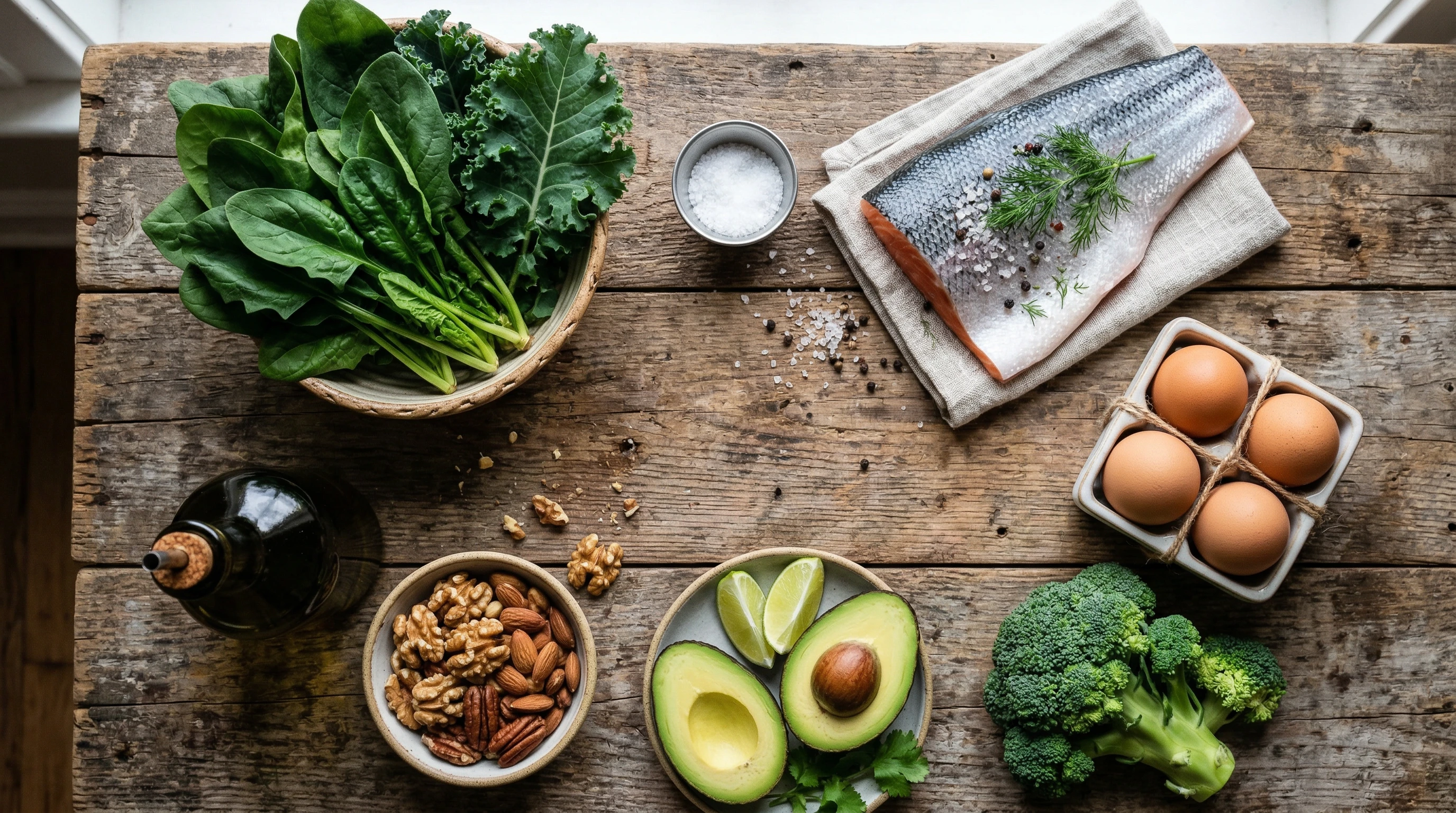
Focus on These Natural Keto Staples:
- Grass-fed beef, chicken, turkey, and pork
- Wild-caught fish and seafood
- Cage-free eggs
- Leafy greens like spinach, kale, and lettuce
- Cruciferous vegetables such as broccoli, cauliflower and brussel sprouts
- Healthy fats: olive oil, coconut oil, grass-fed butter, ghee, and avocado oil
- Nuts and seeds (almonds, walnuts, chia seeds, sunflower seeds)
- Avocados
- Fresh herbs and spices for flavour
You can also pick up seasonal vegetables or organic options when affordable, bringing even more flavour and freshness to your meals.
What to Cut Out Completely:
- Processed foods (anything with preservatives, fillers, added sugar, or artificial flavours/colours)
- Grains: wheat, rice, corn, oats
- Sugar: soda, candy, baked treats
- Snack foods and chips
- Pre-made sauces and salad dressings (unless you check the label for hidden sugars/carbs)
Shopping mostly the perimeter of the grocery store, which is the area with produce, meat, and dairy, keeps things simple. Asking your grocery store staff for help finding organic or grass-fed choices can also make your keto meals even more nutrient dense.
3. Figure Out Your Macros & Portion Sizes
Macros are another word for the protein, fats, and carbs in your diet. Getting them right makes a difference with keto. You don’t have to track forever, but tracking in the beginning helped me notice which foods added up on carbs quickly. Here’s a beginner friendly breakdown:
- Fats: 65-75% of daily calories (olive oil, avocado, fatty fish, nuts, coconut oil)
- Protein: 20-30% of daily calories (chicken, eggs, beef, fish, cheese)
- Net Carbs: 5-10% of daily calories (leafy greens, low-carb veggies, small portions of berries)
There are free keto calculators online where you can plug in your age, weight, and activity level; they’ll spit out personalised macro numbers. It’s worth checking out if you want to dial things in. Watching portion sizes is key, sometimes the difference between staying in ketosis and slipping out can be just an extra handful of nuts or cheese.
4. Plan Simple, Low Carb Meals
Meal planning keeps everything on track, helps you avoid last minute takeout cravings, and saves money. I was surprised at how good “plain” food tasted when I started cooking with butter and herbs instead of sauces from a jar. Here’s a typical food day I follow:
- Breakfast: Scrambled eggs cooked in olive oil with spinach and avocado
- Lunch: Grilled chicken salad with leafy greens, cucumbers, olive oil dressing
- Dinner: Salmon or steak with steamed broccoli and a knob of butter
- Snacks: Handful of nuts, celery with cream cheese, hard-boiled eggs
Batch prepping cooked proteins (grilled chicken, ground beef) and chopped veggies on Sunday made weekday meals a breeze. Avoid buying snack foods; even if they say “keto” on the label, many are still processed and loaded with hidden carbs. If you have a busy schedule, consider investing in a slow cooker or instant pot to make it easy to prepare large portions and freeze leftovers for later.
5. Stay Hydrated & Mind Electrolytes
Keto changes how your body handles water and minerals, so drinking enough and keeping your electrolytes balanced is super important. I always keep a big water bottle handy, and sometimes add a pinch of mineral rich salt or mix in magnesium.
- Drink at least 8 cups of water daily
- Add a squeeze of lemon for flavour and vitamin C (watch portion for carbs)
- Eat foods rich in electrolytes like leafy greens (magnesium/potassium), avocados, nuts, and seeds
- If you feel sluggish (“keto flu”), it’s usually a sign you need more salt, magnesium, and potassium
Some people also supplement with bone broth or electrolyte powders to help keep mineral levels up, especially when first starting keto.
6. Prepare for the First Week
Your first week is when your body starts switching to burning fat instead of carbs. Getting used to fewer carbs can bring on what’s called the “keto flu”; this is just your body adjusting and it passes in a few days. Expect to feel a bit foggy, thirsty, or low in energy for a bit, but don’t worry; these symptoms fade away quickly as your body adapts. Try to get enough sleep and avoid strenuous exercise during this period if you feel drained. Keeping your meals simple and focusing on nourishing ingredients will help ease the transition. Even something as basic as a boiled egg or a handful of olives can keep you going strong.
How to Make the Transition Smoother:
- Clear out all high carb and processed foods from your pantry
- Meal prep keto basics so you have easy food on hand
- Drink extra water and take in a little more salt (bone broth is great for this)
- Keep meals simple and filling; no need to get fancy
- Don’t overdo it on protein; stick to moderate amounts
- If you get hungry, eat more healthy fat (like an extra spoon of coconut oil or half an avocado)
Remember, progress is about the small daily changes — if you slip, don’t beat yourself up. Consistency matters more than perfection.
7. Troubleshooting Common Keto Struggles
What if I get really hungry?
- Increase your fat intake (add an extra spoon of olive oil or some nuts to your meal)
- Make sure you’re eating enough calories overall
- Choose whole foods over anything labelled “low-carb” or “diet”; these rarely keep you full
How do I handle cravings for carbs?
- Try sparkling water or herbal tea when you want something sweet
- Eat a keto snack like cheese, nuts, or eggs instead of reaching for a cookie
- Get rid of tempting processed foods in your house; out of sight, out of mind
What about eating out or with friends?
- Check restaurant menus ahead of time; look for grilled meats, salads, and veggie sides
- Ask for sauces and dressings on the side (many have hidden sugar)
- Don’t stress about perfection. It’s about doing your best, not being perfect every meal
Dealing with social pressure can be challenging, but remember you are making this change for yourself. If you explain your “why” to supportive friends, you may even inspire them to get into healthier eating habits with you.
Action Plan: Your First Steps Toward Keto
- Clean out your pantry and fridge; ditch everything high carb and processed
- Create a shopping list of natural, whole keto foods (think meat, fish, eggs, leafy greens, healthy oils)
- Plan 2-4 simple meals you can cook and repeat as you get used to low carb eating
- Stay hydrated and don’t forget to salt your food
- Give yourself a week to adjust; don’t give up if you feel “off” at first
Small, practical changes with a focus on whole foods and fewer carbs will help you benefit from keto long term. Once you get the hang of simple, homemade meals and stop relying on processed snacks, you’ll probably start to feel the difference pretty quickly. What’s the first whole food you’ll add to your keto plan this week? Let me know in the comments and thanks for reading!