The carnivore diet is getting a lot of attention right now, and not just from weightlifters or fitness fanatics. It’s popular with people who want to feel better, improve their energy, and deal with nagging health problems. If you’re curious about what this all-meat way of eating can really do for you, check out this rundown of the benefits most folks are talking about and what I’ve personally seen from trying it myself.
Why Meat, and Especially Red Meat, is Packed with Nutrition
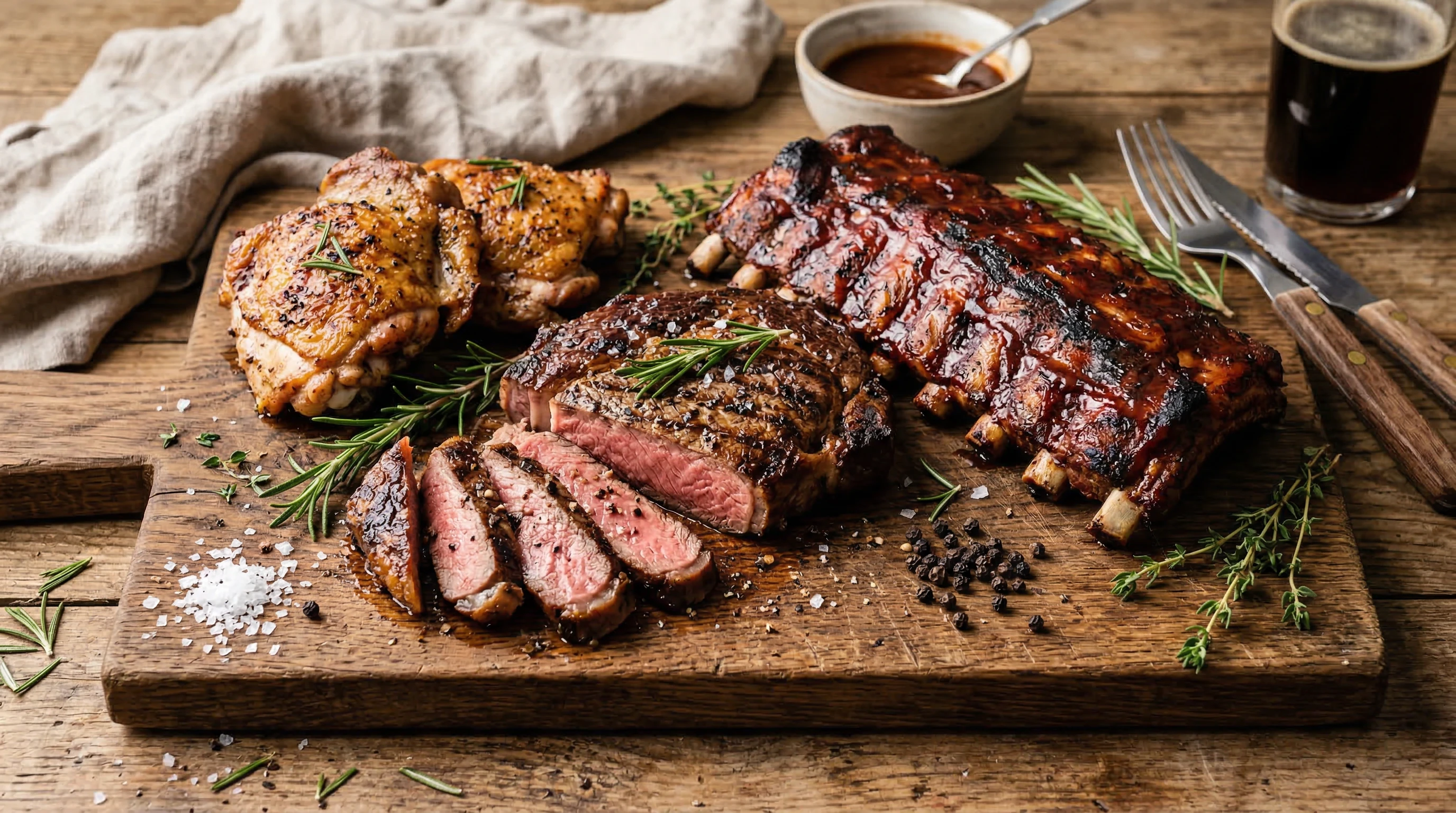
One of the main reasons people get curious about the carnivore diet is how nutrient dense animal foods are, especially beef and lamb. There’s this idea that you’re missing out if you skip vegetables, but if you really look at what’s inside a steak or a serving of liver, you’ll spot that you’re hitting a lot of nutrition targets.
Red meat comes packed with vitamins like B12 (which you can’t get from plants), iron in a form your body can actually use (heme iron), zinc to keep your immune system humming, and plenty of complete protein. You also get healthy fats, which help keep hormones in check and energy high throughout the day. A lot of people don’t realise you pick up vitamin A, E, K2, AND a bunch of minerals just from animal based foods. Organ meats, though they’re not everyone’s favourite, are a real nutrition powerhouse and are worth a try if you’re up for it.
When I switched to a mostly carnivorous way of eating, I noticed right away that I didn’t feel the energy crashes I used to. There’s real staying power in a meal built from fatty cuts of quality meat, and I found myself satisfied for hours.
In fact, most animal foods have protein that’s easy to put to work, helping with muscle repair, recovery after tough workouts, and keeping you fuller, which compares favourably to most carb based meals. The high concentration of micro-nutrients in organ meats also makes it easier for many people to reach nutritional goals that are tough to meet with plants alone (plants contain anti-nutrients which mean you don’t always get the nutrition you think you are deriving from them, but more of this in a later blog!)
Carnivore Diet and Inflammation: Why Many Notice Relief
Something people talk about a lot is how quickly inflammation seems to drop. For many, that means fewer nagging aches, less swelling, and a feeling that their bodies can finally “cool off” after years dealing with weird joint pain or fatigue. Meat alone isn’t magic, but cutting out foods like refined carbs, seed oils, processed sugars, and sometimes irritating plant compounds plays a big role in calming things down.
Researchers have started to look at how some plant foods can, for certain people, trigger low-level inflammation. Taking out those foods can make a big difference, especially for anyone living with autoimmune problems or gut challenges. Turns out, it’s not just about cutting processed junk food. Even so-called “healthy” options like grains, legumes, and nightshades can bother people with sensitive systems.
When I stuck to animal foods, I experienced less soreness after workouts and rarely woke up with the swollen hands I used to get. Many others have similar stories, with some people noticing dramatic relief from autoimmune flares or chronic digestive bloat.
Plus, if you’ve been looking for an all-in-one way to cut out most food irritants all at once, carnivore is about as simple as it gets for a food reset.
Blood Sugar Stability Without Roller-coaster Spikes
Eating just meat keeps you away from the blood sugar swings you get with bagels, pasta, or even some fruits. The carnivore diet is naturally very low in carbohydrates, so your body isn’t loaded up with glucose, and you don’t have to play catch-up with insulin spikes all day.
This means it’s much easier to keep energy steady, reduce brain fog, and stay away from cravings. Personally, ever since I made the change, I feel consistent energy from one meal to the next. I’m not cranky by lunchtime and the urge for sweets isn’t nearly as strong. A lot of people even mention being able to go longer between meals without having to think about snacks. Fat and protein really do a great job keeping you full and satisfied.
Eliminating Food Sensitivities and Triggers
Eating only animal products acts as the strictest elimination diet out there. It’s pretty eye-opening to stumble upon which foods were quietly causing you trouble. Lots of plant foods have natural compounds (like lectins, gluten, oxalates, and phytates) that can be tough on your system, especially for anyone with gut issues.
If you’re bothered by unexplained bloating, gas, IBS, rashes, or even mood swings, stepping back to just meat for a stretch might help you track down what really triggers your symptoms. That makes restarting or adding foods later a lot easier—you’ll know right away if something doesn’t sit right. Some discover a surprising reaction to nuts and soy for example, only after removing them for a few weeks, then bringing them back in.
Mental Clarity, Less Brain Fog, and More Energy
One benefit that’s tough to put a number on, but easy to feel, is the mental clarity that comes from focusing on animal foods. When I switched over, my concentration sharpened, my productivity went up, and that “cloudy” feeling after eating all but disappeared.
There’s some research pointing to steady blood sugar, more healthy fats, and ketone production (which happens when you eat so few carbs) as a real brain booster. A lot of people say their sleep gets better and they just feel more awake all day. Clear thinking is hard to beat—especially if you’ve spent years in a fog after meals or sugar crashes.
Better Digestion for Many
It may sound odd, but a lot of people actually find digestion gets a boost on carnivore. Even while eating more protein and fat, problems like bloating, cramps, or sudden dashes to the bathroom tend to drop off. Why? Cutting out plant fibres, certain allergens, and irritants leaves most digestion running smoother. My own experience was that things became much simpler—no more guessing about which veggie or spice was causing issues and no more upset stomach after a meal.
You might notice you go to the bathroom less frequently, but things are much more predictable. Instead of dealing with cramps and gas or feeling overfull, you can finish a meal feeling good and get on with your day.
How to Start the Carnivore Diet: Quick Guide
If you’re ready to try the carnivore diet, here’s a basic road map:
- Pick Your Meats: Focus on fattier cuts of beef, pork, lamb, chicken, and fish. Eggs, and some dairy if you handle it well, are fine too.
- Cut Out Everything Else: Stay away from veggies, bread, fruit, sugar, or grains while you’re testing the waters.
- Keep it Simple: Plenty salt, some pepper, and the basics are totally fine. Most people prefer butter, tallow, or beef fat for cooking.
- Listen to Your Body: Eat when you’re hungry and stop when you’re full. Feeling super full at first is normal—over time, your appetite balances out.
- Stick With It: Try a strict two to four weeks before deciding if it’s for you. The first few days can be an adjustment as your body resets, but hang in there to see the true effects once your energy stabilises.
Things to Consider Before Starting Carnivore
This way of eating is not for everyone. If you have kidney issues or any rare metabolic diseases, check in with your doctor or a dietitian who understands the carnivore way. Constipation can happen in the first week or two for some, but plenty of water, salt and a little bone broth often helps smooth the way.
Keep in mind, some people miss food variety or social eating out. I found meal prep got a lot easier, but finding something to order at restaurants could be a little tricky. Luckily, most places are willing to grill up a steak or burger if you ask.
Since there isn’t a ton of super detailed long-term data on all-meat diets, it’s wise to check your blood work and overall health now and then if you stick with it. Carnivore fans also pay attention to electrolytes like sodium, potassium, and magnesium to keep headaches, cramps, or sluggishness at bay.
Common Questions About A Carnivore Diet
Do you need to take supplements on carnivore?
Most people get what they need from a range of animal foods, but if you skip organs, add a little bit of liver to your meals or use a supplement. Checking vitamin D, iron, and B12 levels once in a while is always a smart move.
Is it safe for women or people over 50?
Lots of women and older adults do well if they eat enough fat and don’t just stick with lean cuts like chicken breasts. Pay attention to how you feel and keep in touch with your healthcare provider for ongoing support.
What about cholesterol?
Some people see their cholesterol numbers change, but for many, blood markers improve, especially triglycerides and inflammation signals. If you care about heart health, regular check-ups and focusing on real data, not just headlines, are important.
The Bottom Line
The carnivore diet delivers some clear benefits: less inflammation, steady energy, better digestion, and sharper thinking. Meat, especially red and organ meats, covers nearly all your nutrition bases. It may not be for everyone, but it’s worth a try if you want a straightforward way to reset your health or track down mysterious symptoms. Always keep an eye on your body’s feedback and reach out for help if something feels off.
Food doesn’t have to be complicated. There’s something liberating and filling about sticking to juicy steaks, eggs, and rich animal foods. If you’re after fewer cravings, less food drama, and a clearer mind, the carnivore diet could be the simple change you need!