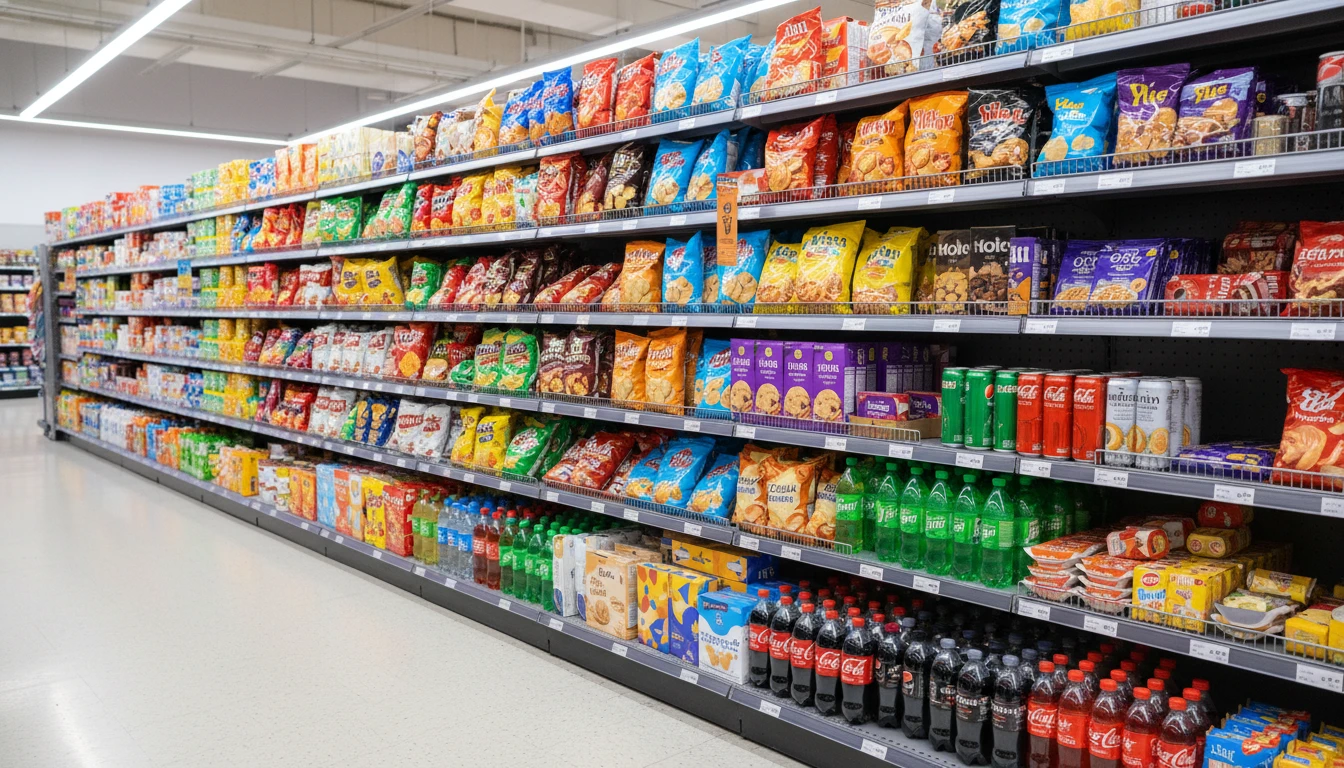
Ultra processed foods are EVERYWHERE these days! Grocery shelves, vending machines, and fast food eateries are packed with them. If you’re like me, the line between regular processed foods and ultra processed ones can feel confusing. Understanding what makes a food ultra processed and why many experts recommend limiting them can really help you make choices that support better long-term health.
What Are Ultra Processed Foods?
Ultra processed foods aren’t just everyday packaged products like canned beans or plain bread. They’re foods made using lots of industrial techniques and ingredients that you wouldn’t normally find in any home kitchen. Think of snacks like chips, sweets, fast food burgers, sugary cereals, processed meats (like chicken nuggets or hotdogs), and sodas. These foods usually list things like artificial flavors, colorings, preservatives, thickeners, and sweeteners among their main ingredients. Some of the ultra processed ingredients that can cause the most harm include modified maize starch, soya lecithin, emulsifiers, rapeseed oils and xanthan gum.
The idea comes from NOVA, a system scientists use to sort foods by how much processing they’ve had. Ultra processed foods are the highest level, made using methods like extruding, molding, or chemical modifications. They go far beyond just canning or freezing. If you spot a laundry list of additives or ingredients on a label that sound more like they belong in a chemistry set, you’re in ultra processed territory.
Why Do Ultra Processed Foods Matter?
Eating these foods regularly goes hand-in-hand with some health issues. Research has linked diets high in ultra processed foods with conditions like obesity, diabetes, heart disease, certain cancers, auto-immune disorders and even poor mood or sleep. They’re often designed to be tasty and convenient, but not very filling, so it’s easy to overeat them without realizing.
Ultra processed foods also tend to be high in things like added sugar, unhealthy fats, and salt, but way lower in helpful nutrients like fiber, vitamins, and minerals compared to less processed foods. This means they can crowd out healthier choices if they make up a big part of your diet.
How Can You Spot Ultra Processed Foods?
- Long ingredient list: If the ingredient label runs more than five to six lines, especially with words you don’t recognize, there’s a good chance it’s ultra processed.
- Unfamiliar additives: Ingredients like maltodextrin, high fructose corn syrup, artificial sweeteners like sucralose, or colors like Red 40 are big hints.
- Ready to eat or heat: Convenience foods that you can eat straight from the packet or after zapping in a microwave are usually ultra processed.
- Super sweet, salty, or fatty: Intense, uniform flavor often means a bunch of engineering has gone into the recipe.
The more a food resembles something you couldn’t possibly make at home, think cheese puffs, instant noodles, or soda, the more likely it’s ultra processed.
How Ultra Processed Foods Affect Your Body
Researchers have dug into how these foods impact our bodies. Here’s what comes up the most:
- Overeating and Weight Gain: Ultra processed foods are easy to wolf down. Their combination of sugar, fat, and salt means you might eat much more than if you were munching whole fruits or cooked grains. That can lead to slow but steady weight gain.
- Blood Sugar Spikes: Many ultra processed snacks have loads of sugar and refined starches, which can cause blood sugar to shoot up quickly, putting extra stress on your body over time.
- Gut Health Woes: Helpful gut bacteria love fiber and natural foods, but ultra processed stuff rarely delivers. Plus, certain additives could mess with your digestive system.
- Increased Health Risks: The combination of unhealthy fats, excess sugar, and sodium has been linked to higher chances of heart disease, strokes, diabetes, and more. Check out articles from trusted sources like Harvard’s School of Public Health for more detail.
It’s not just about weight or blood tests. People who cook and eat more minimally processed foods often report feeling more energetic, sleeping better, and even noticing changes in mood and focus.
Making Sense of Common Food Processing Terms
A little confusion is super common. There’s a big difference between “processed” and “ultra processed” foods:
- Unprocessed/minimally processed foods: These are fresh or lightly packaged, like washed salad greens, frozen veggies, or plain nuts.
- Processed foods: These might have a few extra ingredients or some light processing, like canned beans with salt, plain yogurt, or whole wheat bread. Usually, they’re close to how the food naturally looks.
- Ultra processed foods: Heavily changed from their natural form, hardly resembling the original ingredient, think of soda, factory made pastries, and snack cakes.
Practical Tips To Cut Down On Ultra Processed Foods
- Check Labels: Spend a minute to scan ingredient lists at the store. Shorter and simpler usually means less processed.
- Cook More Often: Even throwing together simple meals, like pasta and veggies or a homemade sandwich, replaces lots of ultra processed products.
- Swap Snacks: Try nuts, fresh fruit, popcorn (air popped), or yogurt when hunger hits instead of grabbing chips or packaged sweets.
- Be Picky With Drinks: Sodas, energy drinks, and sugary coffee drinks are some of the biggest sources of ultra processing. Water or unsweetened drinks work better as daily go-to’s.
You don’t have to cut out everything overnight. Even swapping out just a few ultra processed foods each week adds up to better eating habits. Over time, your tastebuds reset and natural foods can start tasting way better.
Common Challenges and How to Work Around Them
- Time Pressure: Ultra processed foods are the kings of convenience. If you’re short on time, batch cook a few basics, like rice, roasted veggies, or hard-boiled eggs, to help make fast meals at home.
- Cost: Some ultra processed snacks seem cheap, but things like dried beans, fresh produce (in season), or whole grains are pretty budget friendly, especially when bought in bulk.
- Cravings: Packaged chips and candy are engineered to hit your brain’s pleasure centers. Having alternatives around, like roasted nuts or fruit, makes it easier to say no.
- Social Situations: Parties, work meetings, and family gatherings are packed with ultra processed treats. Bringing your own snacks or eating beforehand can help.
Real Life Example: Swapping Out the Staples
I used to start my day with a pre-sweetened cereal and a can of soda in the afternoon for a quick pick me up. I swapped the cereal for plain oatmeal with fruit and now reach for an apple or some trail mix instead of soda. The first few days felt weird, but before long, the switch felt pretty natural, and I noticed I didn’t get the energy crashes anymore.
FAQs About Ultra Processed Foods
Q: Are all packaged foods ultra processed?
Not always. Lots of packaged foods are minimally processed, like plain frozen vegetables or canned fish. The tricky ones are the snacks, sweets, and ready meals with a long list of additives and sugars.
Q: Is it okay to eat ultra processed foods sometimes?
Very few people avoid them completely, and that’s totally okay. The goal here isn’t perfection, just switching the balance so that most of what you eat comes from whole or minimally processed sources.
Q: What if I don’t have time to cook from scratch?
Picking the least processed convenience items, like bagged salads, plain whole wheat bread, rotisserie chicken, or frozen veggies, can make it easier to keep ultra processed stuff in check.
Q: Are vegetarian or “plant based” packaged foods always healthier?
Not necessarily. Many veggie burgers, faux meats, or plant based cheeses are ultra processed. Always check the labels for additives or long ingredient lists.
A Quick Recap for Shopping and Eating Smart
The easiest way to dodge ultra processed foods is to focus on meals and snacks that are made mostly with ingredients you recognize. Simple home cooked dishes, fresh fruits, vegetables, and whole grains never go out of style. Swapping out just a few convenience foods for homemade ones can really pay off over time. Not just for your health, but for your energy and mood, too.